
Mindfulness exercises for a stress-free everyday life
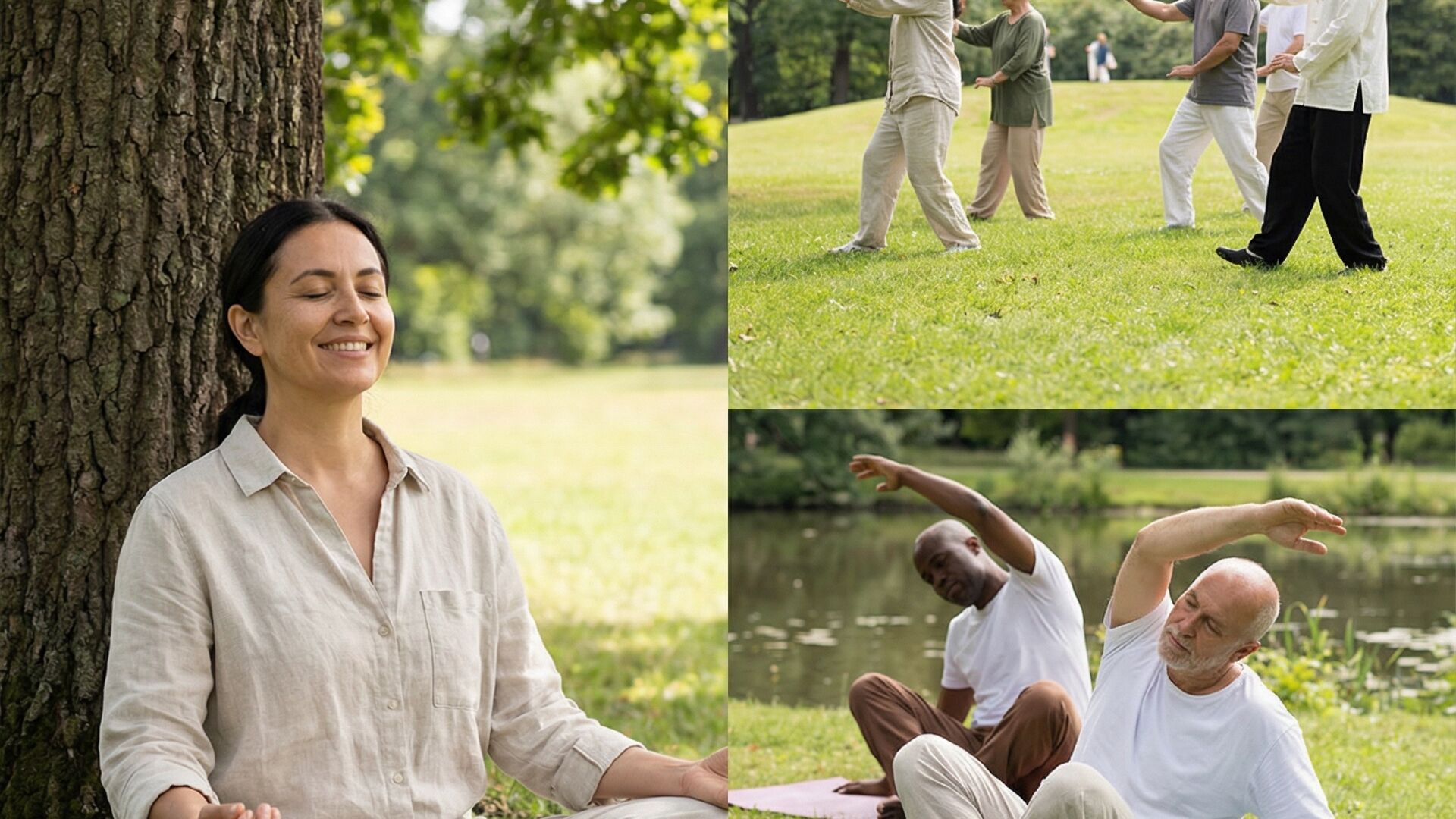

In our hectic daily lives, it is often a challenge to find a moment of calm and balance. Stress can manifest in different ways and has long-term effects on our mental and physical health. This makes it all the more important to explore ways to relax and to design life stress-free. Mindfulness is an effective means to regain composure and inner peace through simple exercises. In this article from Lifescout.com, a platform that inspires and supports women, you will learn how to integrate mindfulness exercises into your daily life to develop more harmonious relationships with yourself and others. We will look at both the psychological aspects and the practical exercises that help you enhance your well-being, better manage your emotions, and develop self-acceptance.
One of the most fundamental mindfulness exercises is breath meditation. When you find a quiet place, sit comfortably and close your eyes. Focus on your breath – breathe in deeply and let the breath flow out smoothly. Count to four while inhaling, hold your breath for four counts, and then exhale for six counts. This helps calm the mind and allows thoughts to settle. It’s normal for your mind to wander, but simply acknowledge that and gently bring your focus back to your breath. This exercise can even take only a few minutes and has proven positive effects on your stress level.


Integration into everyday life
To practically integrate mindfulness into your daily life, try the "mindful walking" exercise. You can do this during a walk in the park or on your way to work. Focus on each step you take. Feel how your feet touch the ground and pay attention to the sounds of nature around you. This form of meditation awakens your senses and solidifies present awareness. By focusing on the small things in your surroundings, you enhance your mindfulness and reduce negative thoughts that can cause stress.
Another very effective method is keeping a gratitude journal. Take five to ten minutes each day to write down three things you are grateful for. This habit not only fosters a positive attitude but also helps you shift your focus from stress and worries to the positive aspects of your life. This activity strengthens emotional intelligence and helps you find peace with yourself.
Emotional benefits of mindfulness
Mindfulness exercises not only promote overall well-being but can also strengthen emotional balance. When you regularly practice mindfulness, you will learn to better regulate negative emotions. This is especially important in stressful times when there is a risk of anxiety or frustration taking over. Mindfulness teaches you to recognize these feelings and deal with them more consciously rather than ignoring or suppressing them.
Additionally, mindfulness allows you to strengthen your empathy. When you are able to understand yourself and your emotions, it becomes easier for you to relate to the feelings of others. This can be of great benefit in interpersonal relationships, as you will be able to respond to others more authentically and understandingly. This builds trust and closeness in relationships, significantly enhancing the quality of life.
Steps to practical implementation
To continuously benefit from the advantages of mindfulness, I recommend incorporating this new approach into your daily life. Start with small time frames. A few minutes of mindfulness each day is better than none at all. Set realistic goals such as meditating or being grateful three times a week. You can also incorporate mindfulness into routine activities – pay attention to touch and taste while brushing your teeth, or enjoy your morning coffee and savor the aromas intensely.
Remember that mindfulness is a process, not a goal. The focus is on experiencing each moment without judgment or distraction. Accept that there will be days when you are not as disciplined as on others. Be forgiving with yourself and simply continue the next day. In the long run, this practice will positively impact your life and support you on your path to inner peace.
Finally, it is also important to reflect on your own development. Not only record your progress but also how you feel when practicing mindfulness exercises. This can help you maintain your motivation and continue to work on your personal growth. Mindfulness will become a valuable resource in your life and provide you with tools to better cope with stressful times.