
Coping with Anxiety for Improved Quality of Life
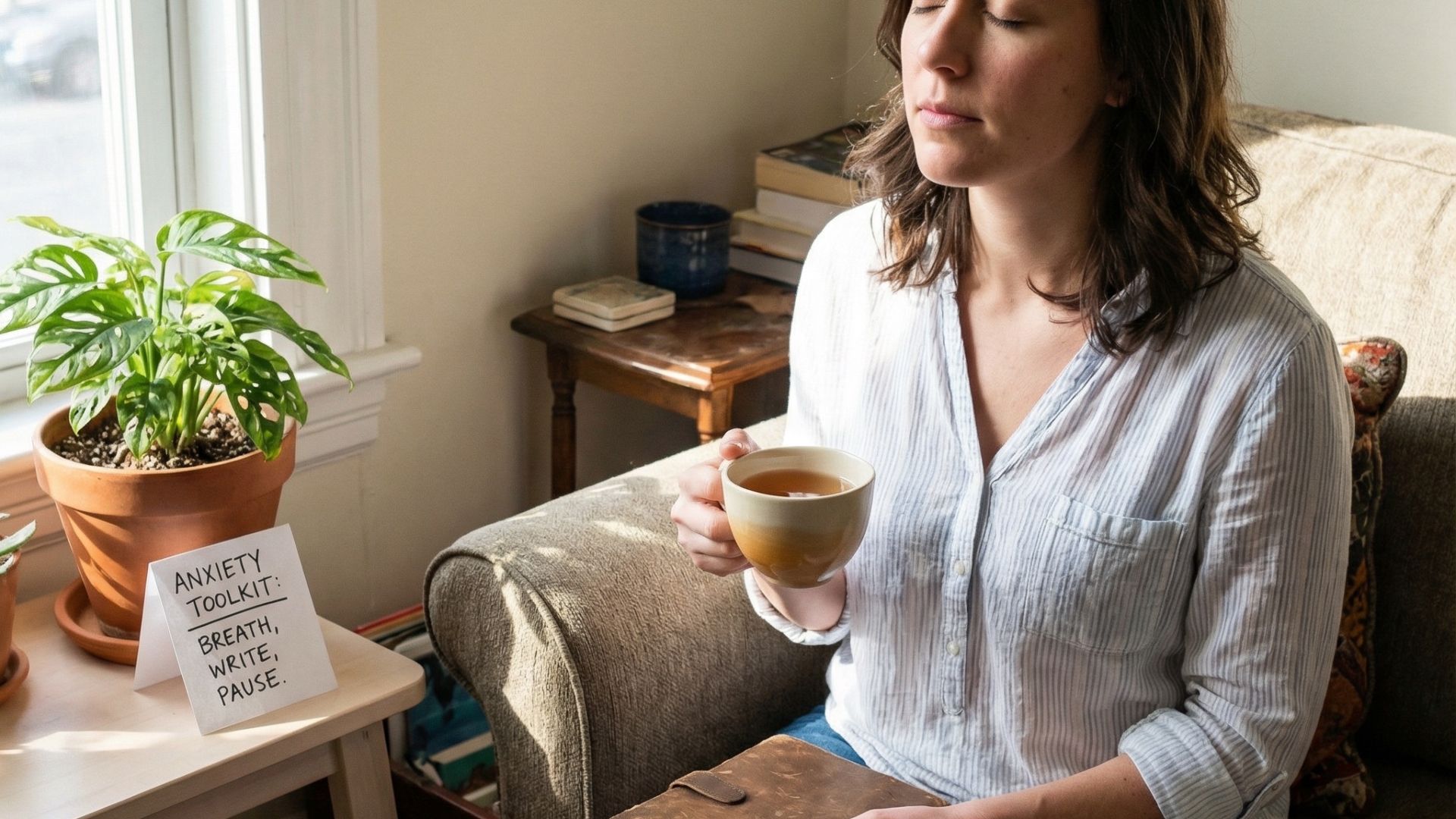

Anxiety is a natural part of life, but when it constantly accompanies you, it can significantly affect your quality of life. At frauenzeit.de, it's all about how women can dedicate time to themselves and develop strategies to cope with their anxieties and achieve a better quality of life. In this article, we will dive deep into the topic of anxiety management, present you with various methods, and show you how to better manage your emotions. This way, you can lead a fulfilling and happy life.
First, it is important to understand that anxiety is not always negative. It can be a warning signal that prepares us for dangers and challenges. The key is to learn how to cope with this anxiety without being overwhelmed by it. One method for coping with anxiety is cognitive behavioral therapy (CBT). This technique helps you recognize negative thought patterns and replace them with positive ones. This means you need to actively work on your mindset to reduce anxieties and develop more confidence.

Mindfulness as a Tool
Mindfulness is another effective strategy that can help you cope with anxiety. Through mindfulness exercises, you learn to live in the moment and observe your thoughts and feelings without judgment. This can be achieved through meditation, breathing exercises, or simply being aware of your surroundings. For example, if you practice mindfulness exercises regularly, you can gain better access to your emotions and gradually reduce your anxieties.
Another aspect of mindfulness is self-acceptance. Accept that it is okay to feel anxious. Many people experience anxieties, and you are not alone in this. By acknowledging these feelings and not fighting against them, you can handle them more confidently and learn how to control them.
Keeping a fear diary can also be helpful. In this diary, you write down when your anxieties arise, what triggers them, and how you feel. This allows you to recognize patterns and better understand what amplifies or reduces your anxieties. By analyzing these patterns, you can work on targeted solutions to better manage future anxiety reactions.
Practical Tips for Coping with Anxiety
In addition to mindfulness and cognitive behavioral therapy, there are many practical tips for managing anxiety in everyday life. For example, regular exercise can help reduce stress and improve mood. Whether it's a simple walk, yoga, or intense training – any form of movement has positive effects on your body and mind.
A healthy diet also plays a significant role. Certain foods can affect your mood and help reduce anxiety. Try to maintain a balanced diet that is rich in vitamins and minerals. Avoid excessive consumption of caffeine and sugar, as these substances can intensify feelings of anxiety.
Summary and Outlook
In summary, coping with anxiety can be a lifelong process. However, with strategies such as mindfulness, cognitive behavioral therapy, and practical lifestyle change tips, you can make a significant difference in your life. It is important to be patient with yourself and to approach the process of change gradually.
Remember that it is completely okay to seek help if your anxieties overwhelm you. Professional support can often make a big difference and help you find your way to a life with less anxiety. Trust in yourself – you are stronger than you think!