
The Influence of Gender Roles on Self-Image
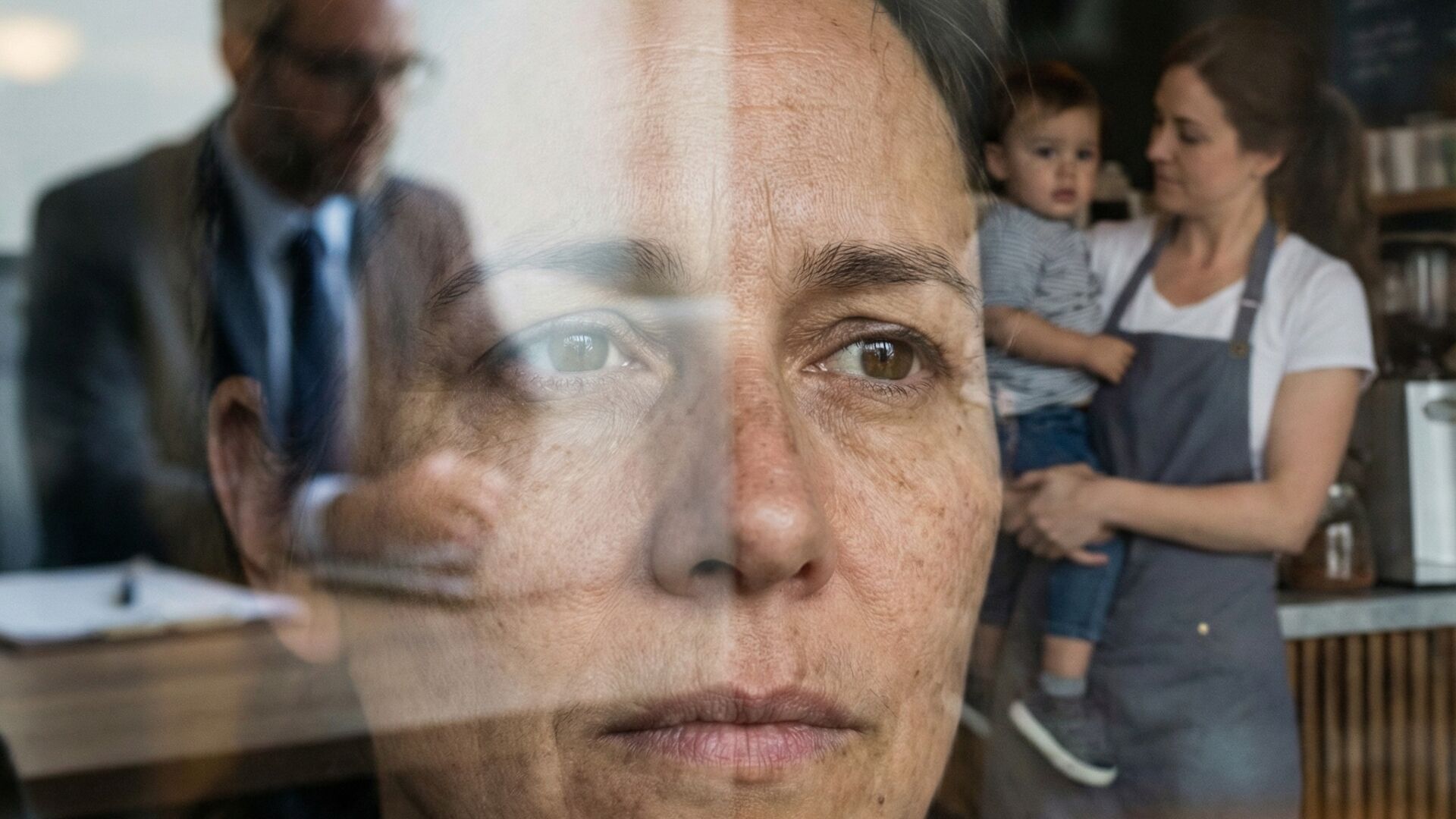

The gender roles we experience in our society shape our self-image in various ways. They influence our behavior, our ambitions, and even our emotional reactions. How should we see ourselves, and to what extent are our perceptions shaped by societal norms? Nikki.de, as a personal online magazine, invites you to explore these questions as we unravel the complex relationships between gender and self-image together. It's not just about trends, but about deeper insights into the human psyche that will help you better understand your own identity.
In our childhood, we are often confronted with certain expectations tied to our gender. Boys and girls receive different messages about how they should behave. These expectations can significantly influence self-image by limiting what we believe to be possible. For example, boys are often expected to be independent and strong, while girls are perceived as caring and empathetic. Trying to fit into one of these norms can greatly affect your self-esteem and identity.
Moreover, many studies show that people who do not conform to these gender roles often face additional challenges. This can lead to internal conflicts as they may feel compelled to take on a role that does not suit them, or feel less valuable if they do not meet these societal expectations. Here, it is important to find your own path that aligns with your authentic self.


How Gender Roles Shape Self-Image
The way we see ourselves is heavily influenced by the gender roles conveyed through art, media, and social interactions. These roles can often promote stereotypical notions that restrict a person's self-image. For instance, constant exposure to images of idealized gender roles can lead individuals to question their own appearance and abilities. This can be a vicious cycle that results in decreased self-esteem.
It is also important to note how social media further amplifies this dynamic. Platforms that glorify a certain aesthetic or lifestyle can evoke feelings of inadequacy for those who do not conform to these norms. Often, the image of a strong, successful woman or a successful man is propagated, which, if viewed realistically, only represents one facet of reality. This is harmful not only to individuals but also to the overall societal image.
An example of this is the constant portrayal of emotionally cold, competitive men and emotional, caring women in many media formats. These portrayals are not only unfair but also make it difficult to speak openly about one's emotions. It creates an image that is not only unrealistic but also damaging, as it exerts pressure and sets false standards.
Resources to Strengthen Self-Image
To foster a healthy self-image, it is important to critically question how gender roles influence your perception. You can consciously try to distance yourself from these societal norms and develop your own image of yourself. This self-image should be based not only on what others expect of you but rather on what you find valuable. Practices like mindfulness and self-reflection can help you develop a better understanding of your own identity.
It might also be helpful to surround yourself with like-minded individuals who share similar values. This can provide you with a supportive environment where you can express yourself freely and expand your perspective. Community exchange can help you feel less isolated and allows you to explore the various facets of yourself.
Conclusion and Outlook
In summary, gender roles have a significant impact on our self-image. They shape not only our own expectations of ourselves but also those of the people around us. By becoming aware of these influences, we can actively work towards developing an authentic self-image that is less shaped by external expectations.
This does not mean we should discard all societal norms, but rather that we critically question them and decide which aspects we want to adopt. Allow yourself to creatively engage with your identity and encourage others to do the same. Because ultimately, it's about leading a life that is not only socially accepted but also personally fulfilling.