
The Influence of Literature on the Ideal of Beauty
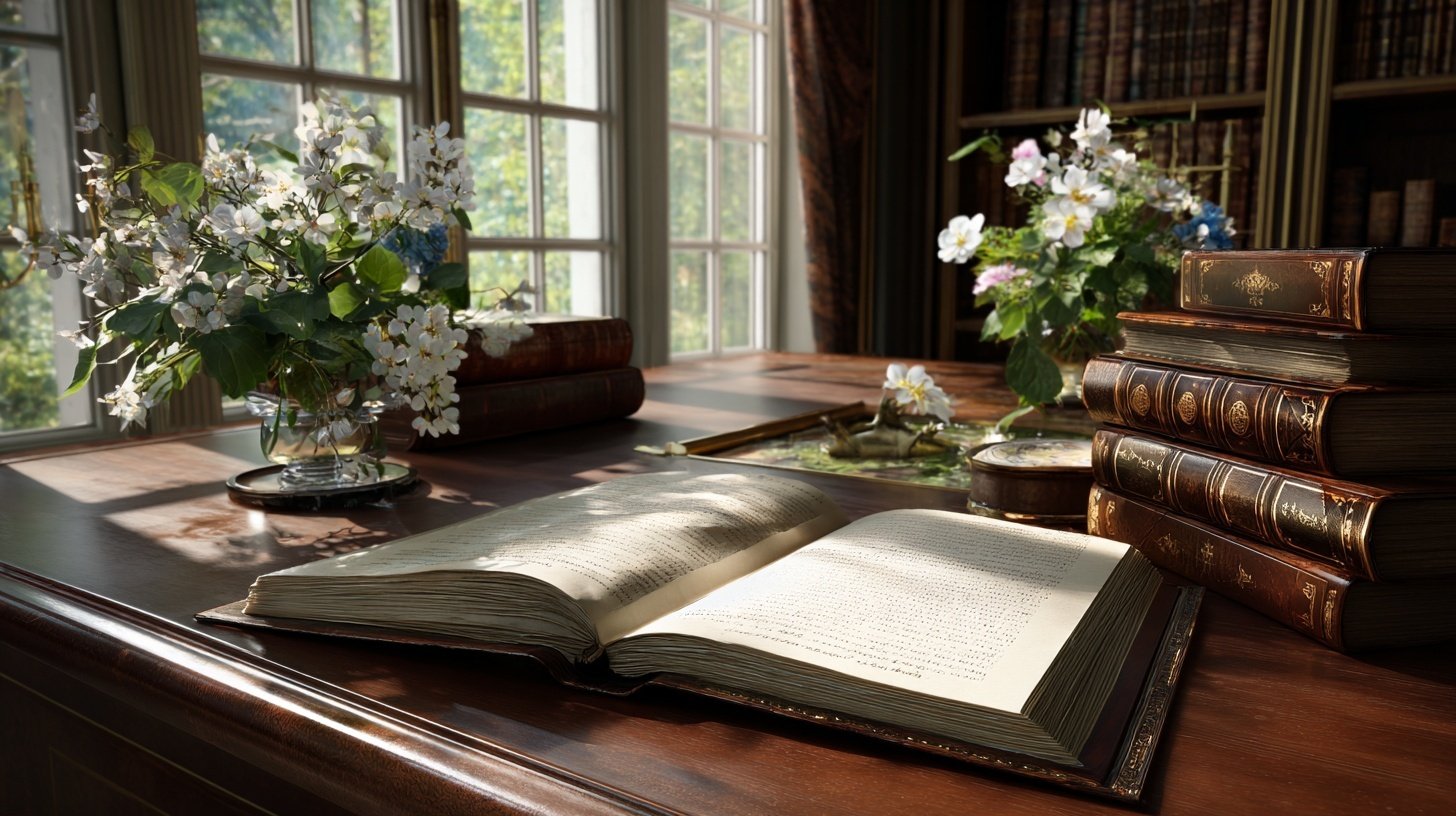

Literature has a profound influence on our concept of beauty. In stories, poems, and novels, we discover not only cultural norms but also individual perceptions that make our ideals of beauty malleable and diverse.
For centuries, literature has inspired people to reconsider their environment and themselves. The written words have the power to shape our thoughts and feelings, especially when it comes to concepts of beauty and attraction.


Beauty through Words
In poetry, we often find representations that expand our understanding of beauty. From the romantic poetry of the 19th century to modern prose texts, beauty is not only described but also felt. Authors such as Johann Wolfgang von Goethe and Friedrich Schiller used their words to shape characters and their ideals of beauty.
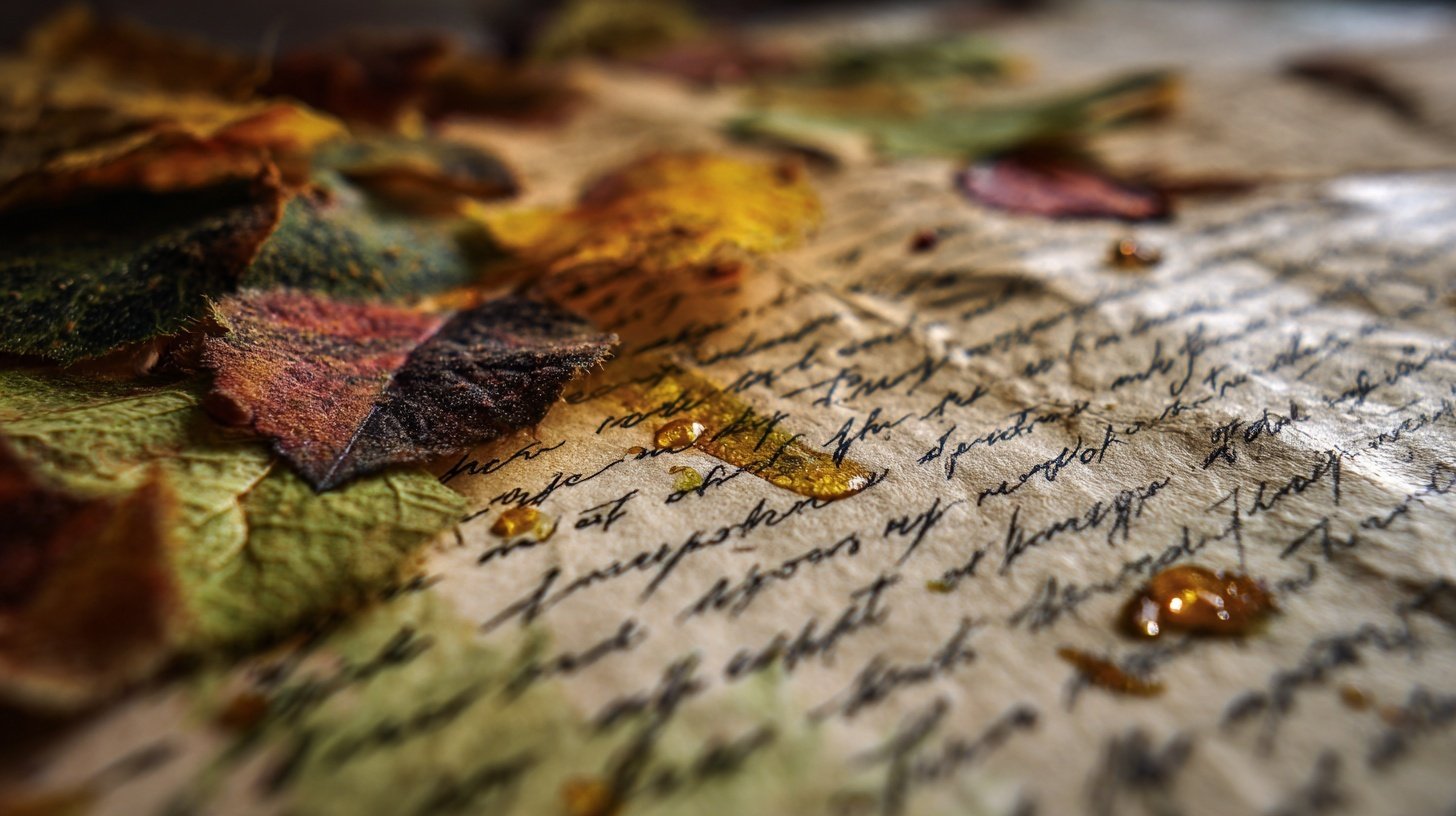
When we look at the romantic couples in Goethe's 'Elective Affinities', we see how their inner conflicts and societal circumstances influence their personal ideals of beauty. Beauty is often not objective but reflects the values and emotions of the characters.
Similarly, contemporary authors like Judith Hermann and Chimamanda Ngozi Adichie shape our perceptions through their unique voices and perspectives. Their books often explore ideals of beauty within cultural and social contexts that contrast with the grooming ideas we encounter daily.
Cultural Influences and Ideals
Different cultures have their own ideals of beauty, which are often reinforced by literature. What is perceived as beautiful in one culture may be considered unattractive in another. Literature brings these differences to light and allows us to reflect on our own notions of beauty.

In 'The Discovery of Slowness' by Sten Nadolny, the protagonist is portrayed as contradictorily beautiful—not because of his physical appearance, but because of his inner strength and calmness. This concept makes it clear that beauty goes far beyond the physical and is shaped by character traits.
The Influence of Social Media
In today's world, where social media occupies a dominant place, literature is also taking on a new form. Writers use platforms to spread their stories and ideals and engage with the current ideal of beauty. This new type of literature is often more complex and reflects real experiences.

Authors like Rupi Kaur and Ocean Vuong show in their works how societal structures and ideals of beauty intertwine. Kaur frequently addresses body image, identity, and the challenges associated with perceptions of beauty in her poetry.
Here it becomes clear that the influence of literature on the ideal of beauty remains unchanged but adapts to societal changes. The voices advocating for diversity and inclusivity gain influence and reshape the ideal of beauty.
In summary, literature not only reflects but actively shapes the concepts of beauty in our society. It raises questions, encourages reflection, and challenges us to think beyond the surface.
By contemplating and analyzing various literary works, we open the doors to a deeper understanding of ourselves and our place in the world of beauty.