
The Influence of Social Media on Our Self-Image

Social media has become indispensable in our daily lives. They provide us with the opportunity to present ourselves, stay in touch with friends, and stay informed about current trends. But how do these platforms affect our self-image? In this article, we want to explore together how social media shapes and influences our self-image. In particular, we will consider the psychology behind self-image and work through how we can use this knowledge to promote a positive self-image. At nikki.de, we want to present not only trends and fashion but also helpful information and suggestions on topics like self-worth and self-confidence. Because in the end, we all have valuable qualities that can make life more beautiful.
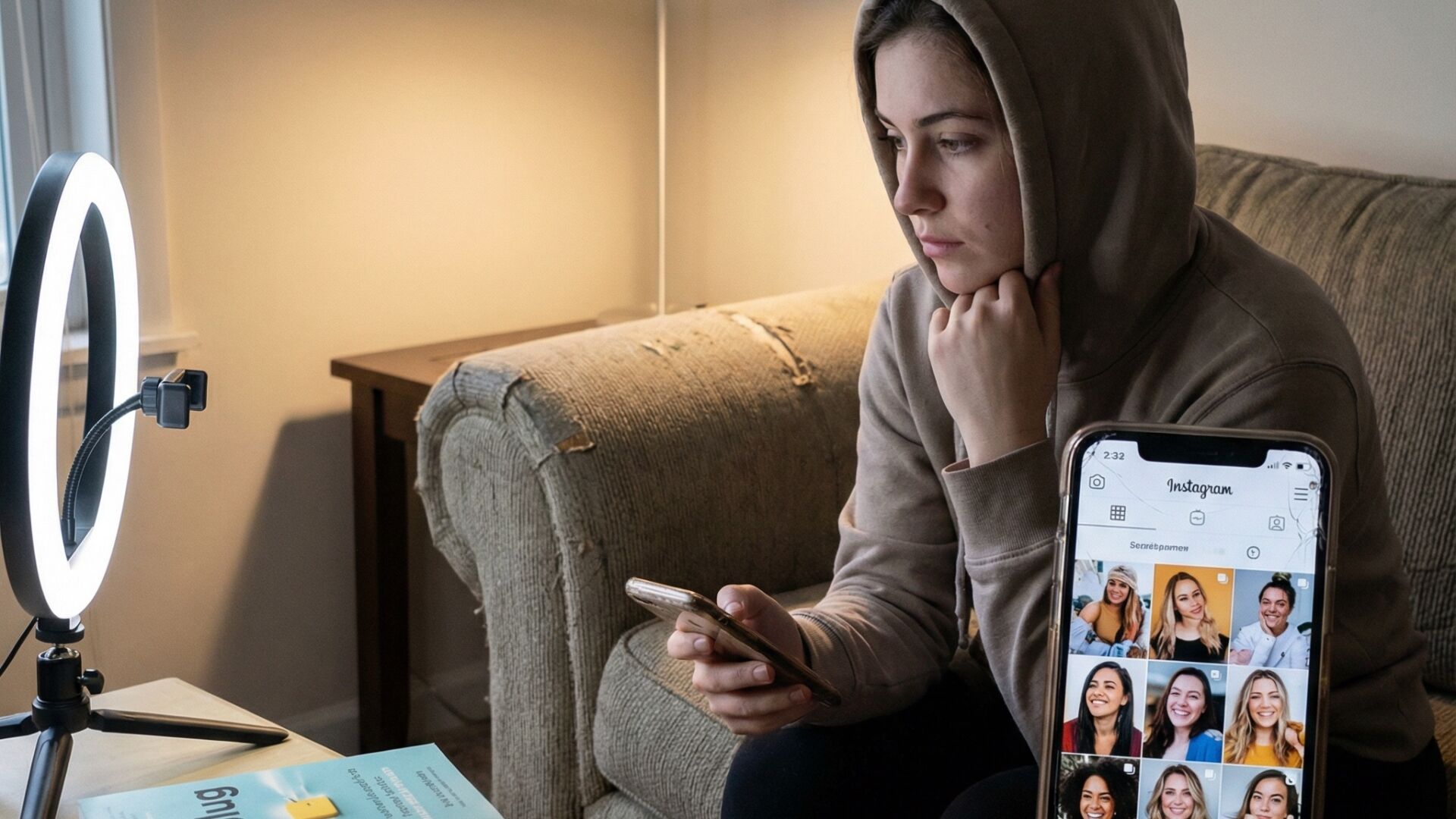
The self-image is a central component of our identity. It shapes how we perceive ourselves in the world and how we interact with others. Social media platforms like Instagram, Facebook, or TikTok allow us to shape and disseminate our image in public. This often occurs through sharing images and experiences that portray us in a certain light. Often, these platforms convey the impression that only perfect moments are shared while everyday imperfections remain hidden. This imbalance leads many people, especially young women, to compare themselves with others' often edited representations and feel inferior in doing so. It is important to recognize and critically question this influence.

The Influence of Comparisons
A central phenomenon in social media is social comparison. We tend to compare our lives with those of others. Studies show that this comparison often leads to a distorted self-image. When we look at those who seemingly lead a perfect life, we are inclined to believe that we cannot keep up. This pressure can significantly impair our self-esteem. It is helpful to bear in mind that what we see on social media is often just the tip of the iceberg. Most people do not share the difficult moments but only their successes and happy times, which leads to a distorted view of reality. By focusing on building genuine connections and not comparing ourselves to others, we can strengthen our own self-image.
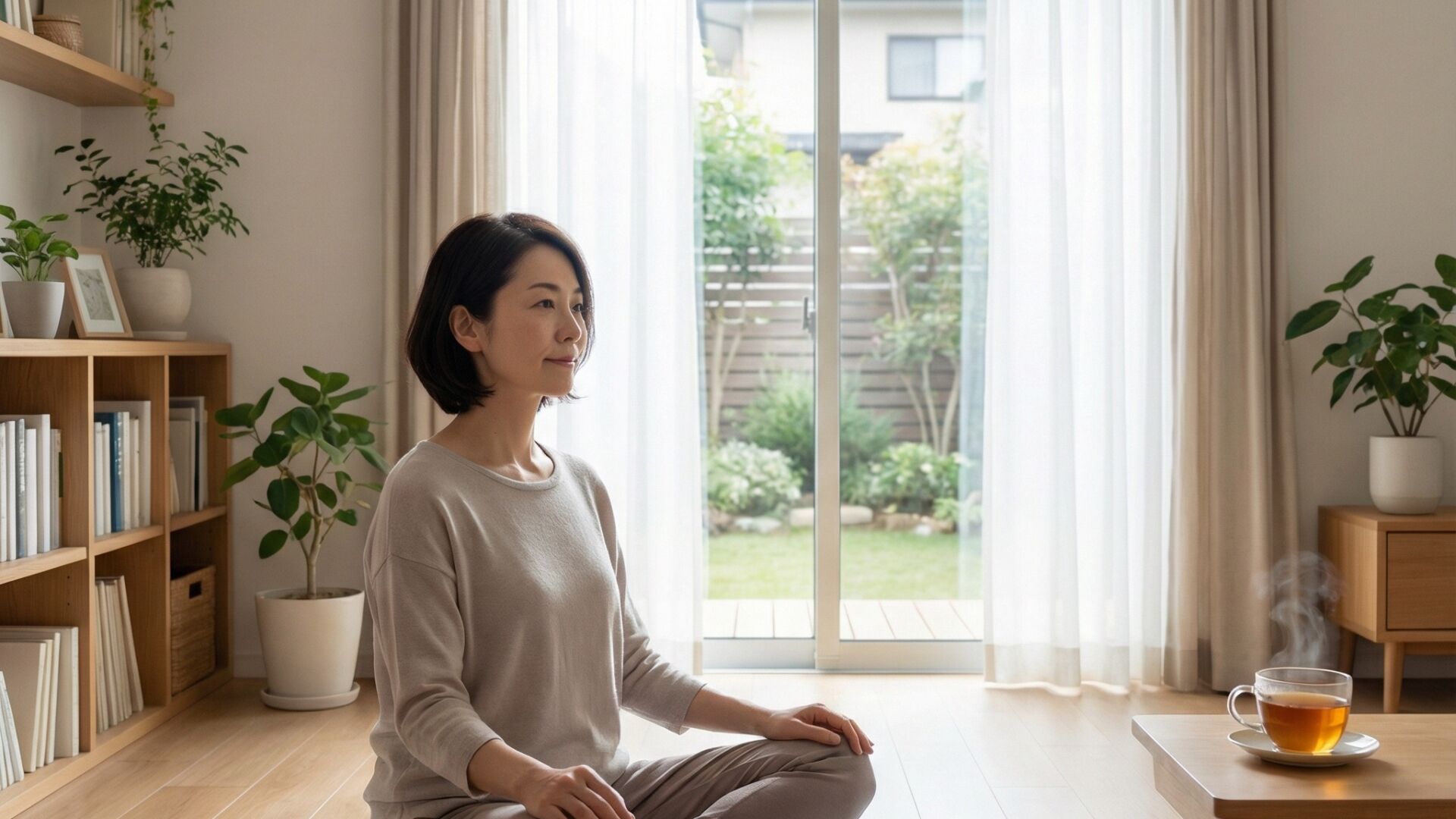
Another important aspect of social comparison is its negative effect on self-esteem, especially among adolescents. Studies show that intensive use of social media is associated with an increase in symptoms of anxiety and depression. When young women and men constantly admire the apparent perfection of their peers, it can lead to a feeling of inner emptiness and despondency. It is crucial to remember that everyone has their own struggles, even if they are not visible. One strategy that can help is to consciously take breaks from social media to recognize our own worth independent of external influences.
The Positive Influence of Social Media
Despite the challenges mentioned above, social media can also have positive effects on our self-image. The platforms provide space for inspiration, creativity, and self-expression. Many people see social media as a starting point to discover their passions and connect with like-minded individuals. These positive interactions can contribute to developing a healthy self-confidence and strengthening one's identity. Platforms like Instagram allow users to showcase their creativity, from cooking to painting. By surrounding ourselves with positive and inspiring content, we can reduce the negative impact of comparisons and actively improve our self-image.
Moreover, there are numerous communities on social media dedicated to self-worth and personal development. On these platforms, users can support and encourage each other. They often provide valuable tips for improving self-perception and promoting self-acceptance. By joining such groups, we not only strengthen our own self-worth but also that of others. Through positive interactions, the feeling of community and belonging is fostered, which can ultimately positively influence our self-image.
Conclusion and Recommendations
In summary, social media can have both positive and negative influences on our self-image. It is up to us how we deal with these influences. It is essential to critically reflect on what we consume and how we perceive ourselves in this context. To develop a positive self-image, we should prioritize activities on social media that inspire and motivate us. Remember to build authentic connections with others, seek feedback, and share positive content.
A healthy balance in the use of social media can help you stabilize and strengthen your self-image. Consciously set breaks to foster your patience with yourself, and do not view yourself solely through the lens of social media. You are much more than the images you see, and you have a unique value that exists independently of appearances. By adopting this mindset, you can build a fulfilling life that reflects your true worth.