
The Effects of Holidays on Our Buying Behavior
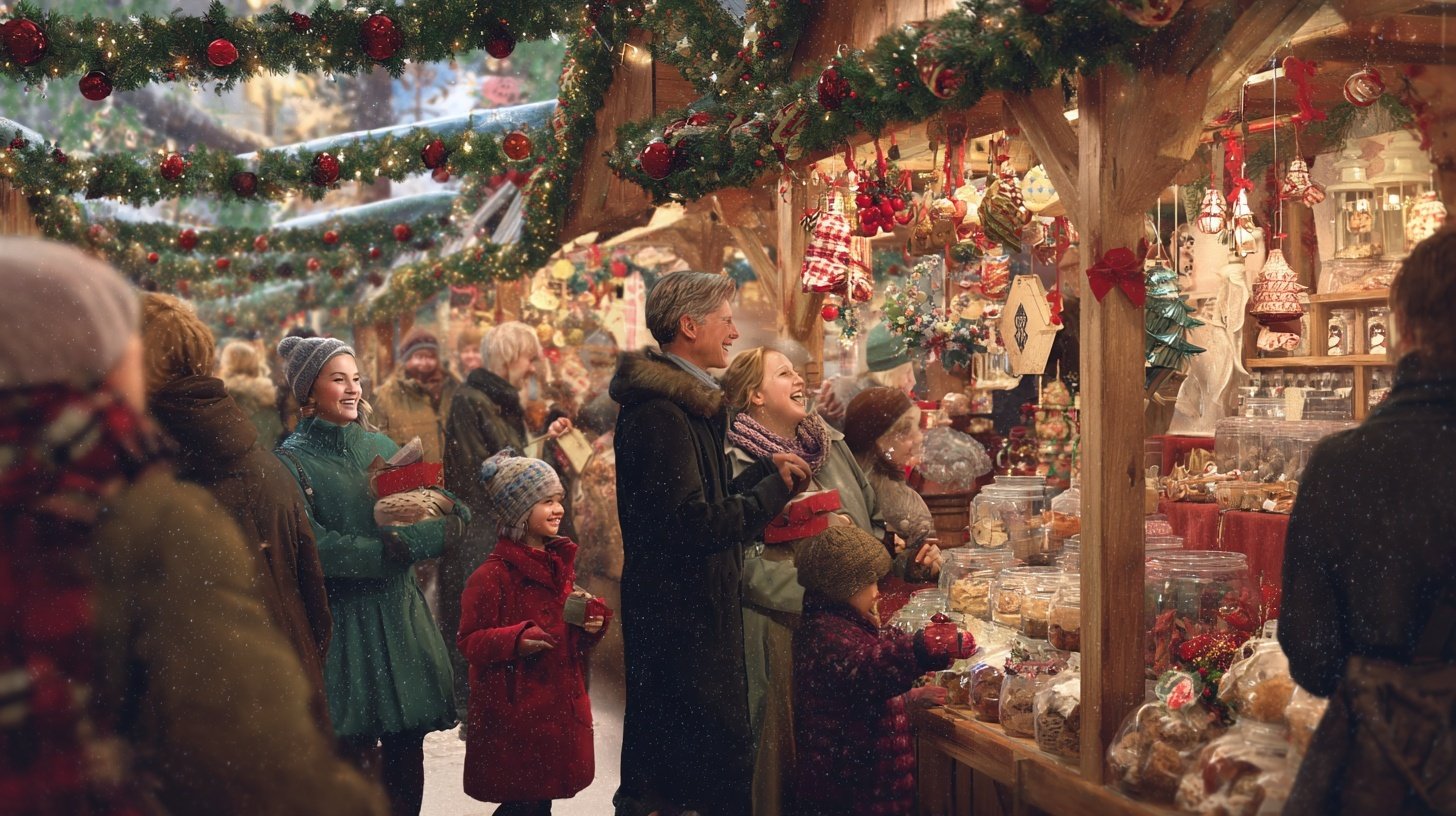

During the pre-Christmas season and other holidays, our consumption behavior changes in exciting ways. Suddenly, we are motivated to buy gifts, take advantage of special offers, and perhaps spend a little more than usual. But what really lies behind this festive shopping urge? Let’s dive deeper!
Each of us knows the feeling when Christmas time approaches. The stores are festively decorated, and there is a special atmosphere in the air. In addition, many people have special expectations for the holidays. This mood not only affects our personal well-being but also our purchasing decisions.
Influence of Festive Moods
Studies show that holidays like Christmas, Easter, or Valentine's Day strongly influence our buying behavior. People are often more emotional and inclined to buy gifts for loved ones. The result? An increase in consumption that significantly boosts the economy in many countries.
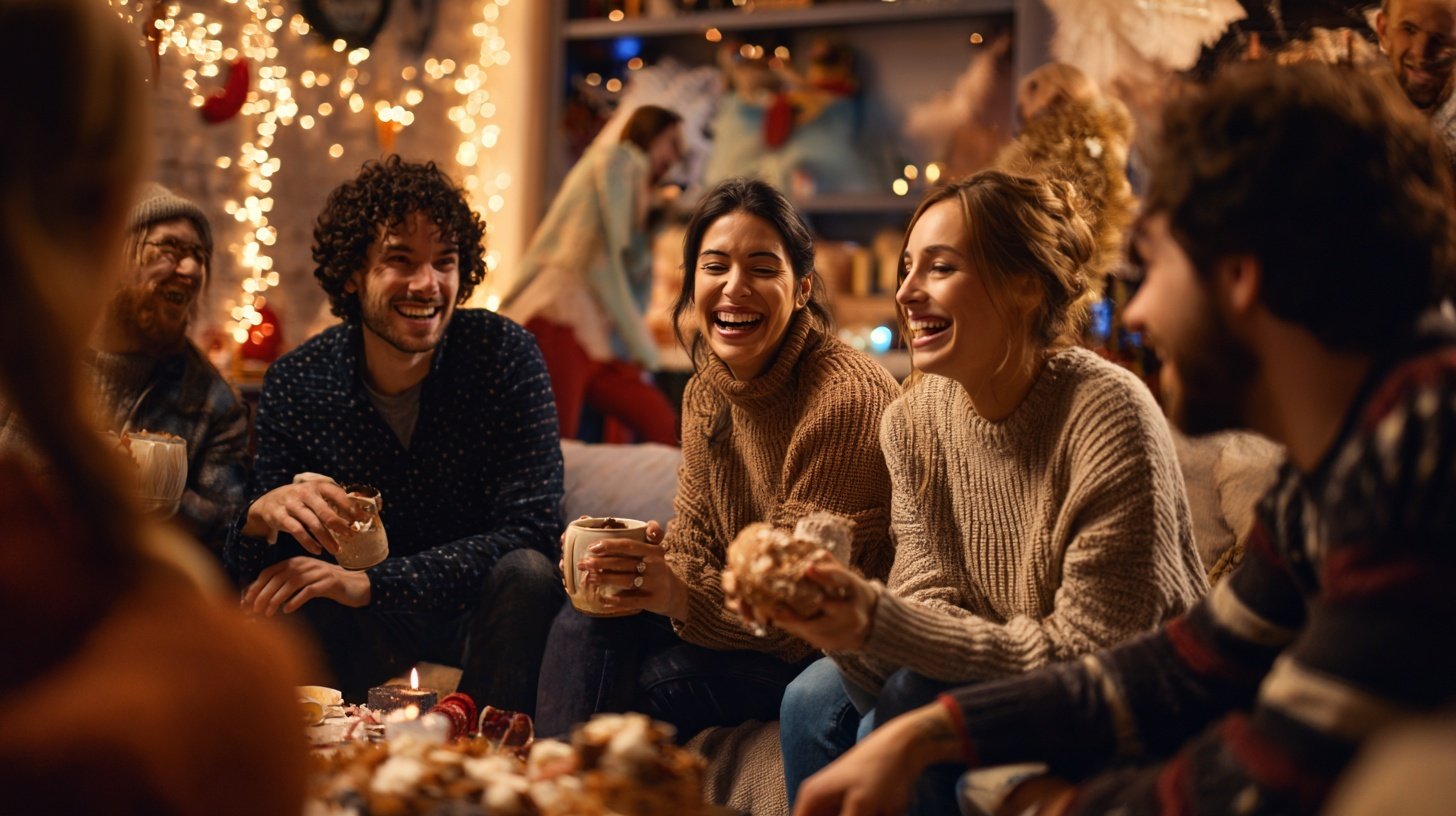
There is even the term 'gift economy,' which refers to the special dynamics of gift-giving during the holidays. The gifts we choose often reflect our relationships. We want to find the right gift to express our love or appreciation, which sometimes leads us to spend more.
During these festive times, people are also more receptive to advertising and special offers. Retailers take advantage of this mood and offer numerous discounts, special products, and limited editions. Here, the effects of urgency play a crucial role.
Social and Cultural Influences
Cultural traditions and one’s own social circles also have a strong influence on our buying behavior. When many friends or colleagues around you are exchanging gifts, it amplifies the personal desire to be part of this social ritual.

Sharing purchases and experiences, especially in social media, plays an increasingly significant role. Often, what others buy or recommend influences our own decisions. Thus, trends that emerge in social networks can create real buying pressure.
Long-Term Effects of the Season
Interestingly, the effects of the festive shopping season can also influence our later buying behavior. People often engage in post-holiday purchases when they are in the mood to express the positivity they experienced during the holidays.

Ultimately, the emotional highs and associated purchases during the holidays can have a lasting impact on our buying behavior. Whether it’s the selection of certain brands or a preference for specific products, many of us develop new preferences after the holidays.
In summary, it can be said that holidays have profound effects on our consumption behavior. By understanding these factors, you can more consciously influence your own shopping habits and avoid potential overspending during the festive season.
Use this information to reflect on your buying behavior and protect your wallet while still enjoying the joy of festive shopping.