
The Art of Active Listening in Relationships


In relationships, active listening plays a crucial role. It allows us to establish genuine connections with others and avoid misunderstandings. On lifescout.com, a platform aimed at inspiring women and supporting them through the psychology of interpersonal relationships, this article delves into the art of active listening. We will explore why listening is essential for emotional intelligence and personal growth and demonstrate how you can build deeper and more harmonious connections through targeted listening techniques. There are many aspects that play a role in active listening, including empathy, patience, and the ability to recognize nonverbal signals. Keep the following sections in mind to discover how you can improve your listening skills and sustainably enhance the quality of your relationships.
Active listening goes beyond merely hearing words; it requires engagement and attention. This means that you are not just waiting for the other person to finish speaking to respond, but rather paying attention to what is said and how it is expressed. A good listener shows interest in the feelings and thoughts of the other person by occasionally asking questions or summarizing statements. This helps clarify misunderstandings and conveys the sense that one's opinion is valued. To listen actively, it is important to minimize distractions. Hedonistic distractions such as a mobile phone or a running television can impair your attention and cause important information to be lost.

Connection through Empathy
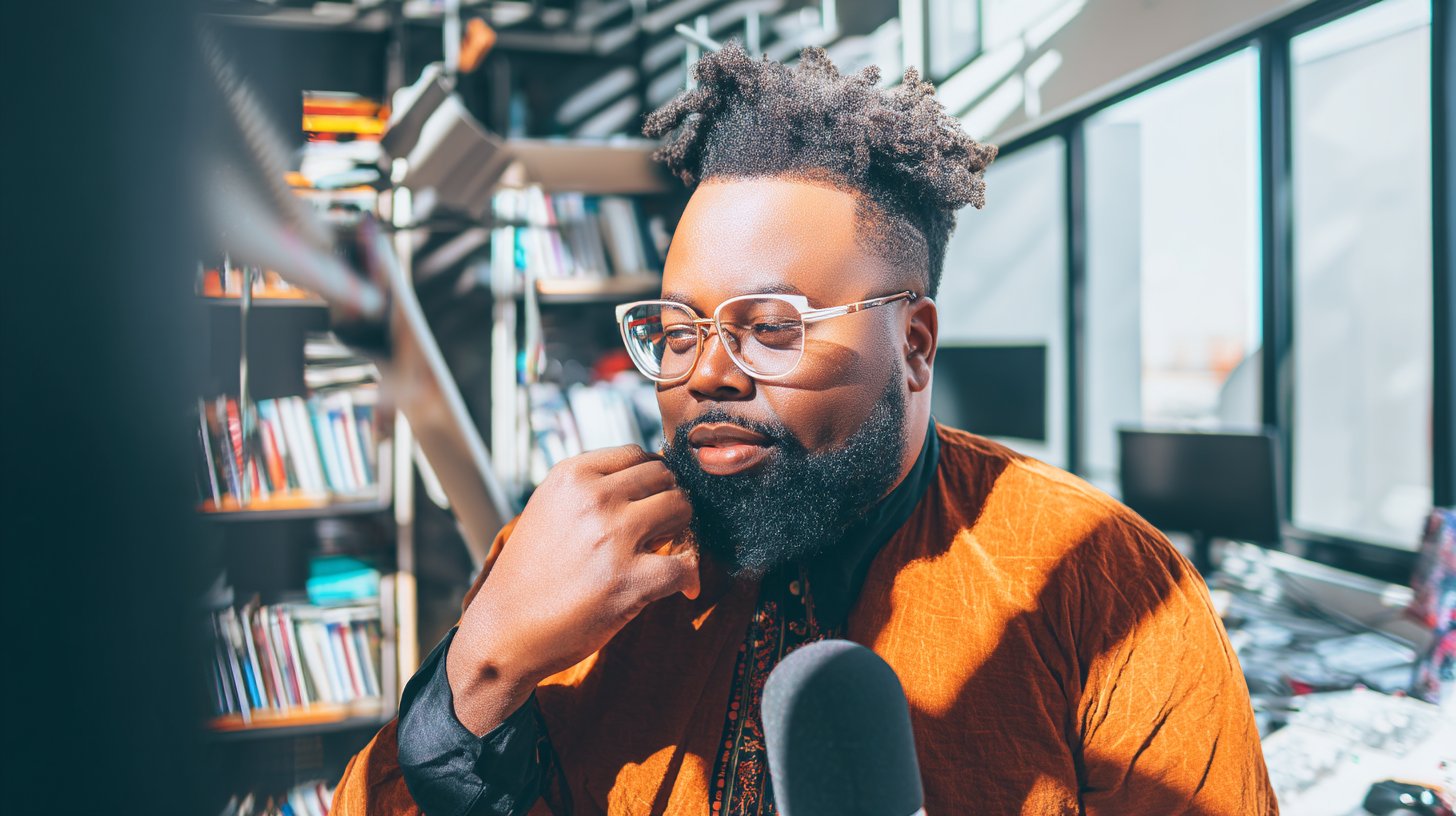
Listening is more than just physically hearing; it involves the ability to be empathetic. Empathy means putting yourself in the other person's shoes and understanding their emotions. When you show that you understand the other person's feelings, a deeper bond is created. For example, you can respond to an emotional expression with an understanding nod or an affirming 'I understand that this must be difficult for you.' Such responses show that you are attentive and perceive the emotional context of the conversation.
Another important aspect of empathy is avoiding snap judgments. Often we tend to trivialize the feelings and problems of others or evaluate them based on our own experiences. To promote active listening, it is important to create space for the other person's perspective, even if you do not agree with their views. This makes it easier for both partners to speak more openly about their true feelings.
Tips for Better Listeners
In addition to empathy, there are numerous techniques you can use to become a more active listener. One of them is to ask questions that allow for more than just a yes or no answer. Open-ended questions, such as 'How do you feel about that?' or 'Can you tell me more about it?', encourage deeper discussion and show your interest. This technique encourages the other person to elaborate on their feelings and thoughts.
It can also be helpful to use nonverbal signals. Pay attention to your body language: sitting openly and facing the speaker, making eye contact, and occasionally nodding can clearly convey your attention and interest. This gives the speaker the feeling that they are being heard and valued, significantly improving the quality of communication.
Summary and Outlook
The art of active listening is a valuable skill that not only improves the quality of your interpersonal relationships but also deepens your own emotional understanding. Through empathy, targeted questions, and mindful body posture, you can significantly enhance your listening skills. Remember that communication flows in both directions; even while you listen actively, you create space for the other to speak openly. Ultimately, this skill will enrich not only your personal relationships but also your ability to interact successfully in social and professional contexts.
Use the tips we have given you to refine your listening techniques. Think about how you can apply these skills in everyday life, whether in conversations with friends, family, or at work. Some simple changes in the way you listen can have revolutionary effects on your relationships. Start today by giving active listening a significant role in your life.
Don't forget that active listening is a process that takes time and practice. Be patient with yourself and try to continually learn and grow. Every conversation is an opportunity to improve your skills and forge deeper connections. By pursuing this approach, you will find that your relationships gain depth and meaning, ultimately leading to a more fulfilling and harmonious life.