
The Renaissance of Old Crafts: Creative Professions are Booming
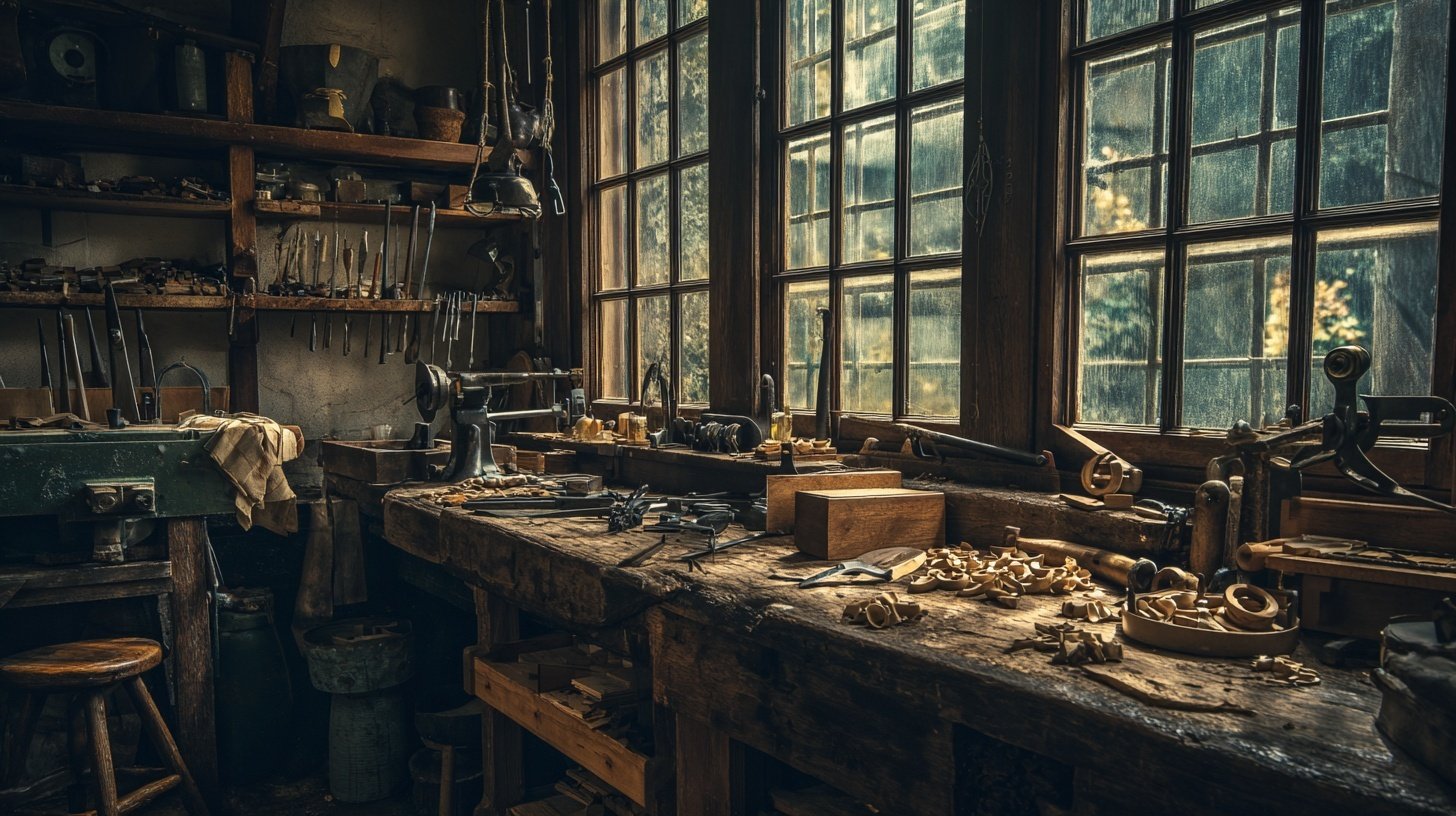

The world is constantly changing, but while new technologies and trends dominate the scene, old crafts are experiencing an unexpected comeback. While many focus on digital professions, you find the foundation for creative creation and artisanal manufacturing again in traditional professions. But why are these old crafts in such demand in the modern creative industry?
A renaissance of old crafts is not just a trend; it is a return to the roots of creativity. Society has increasingly placed value on high-quality, handcrafted products that tell a story. These products convey a sense of authenticity and individuality that is often lost in mass production. Different creative processes and techniques from various crafts enrich each other and thus offer exciting possibilities for individual forms of expression.

Why old professions are in demand
People are increasingly searching for authenticity and personality in an era of mass production. Old crafts like blacksmithing, carpentry, or pottery not only offer the opportunity to create unique pieces but also to dive deep into a crafting tradition. By utilizing traditional techniques paired with modern design ideas, artisans can create innovative products that appeal to customers just as much as the big brands.
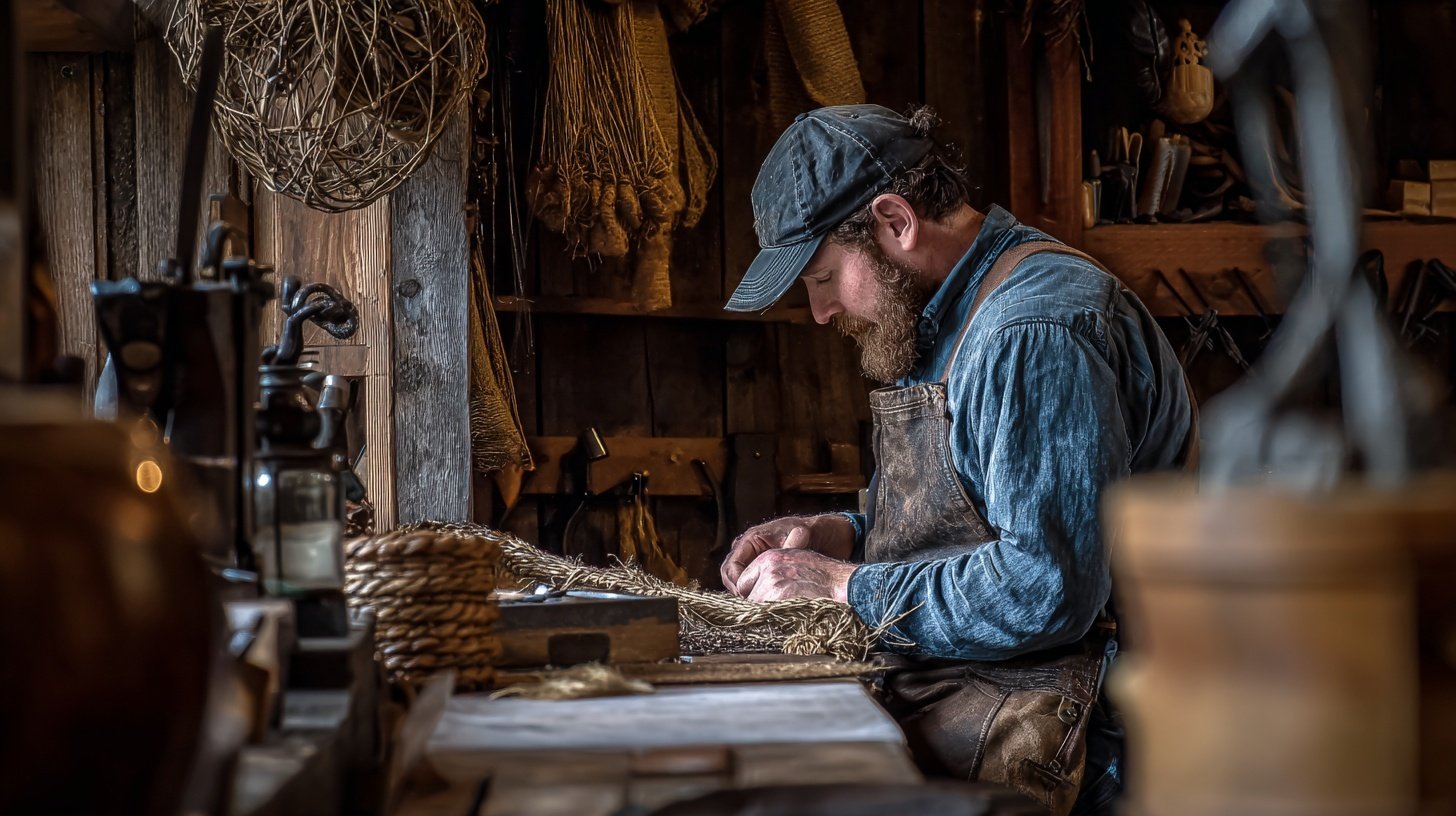
Furthermore, there is a growing awareness of sustainability. Many craftsmen use natural and recyclable materials, leading to more environmentally friendly products. Consumers are increasingly willing to pay more for handcrafted, sustainable items. This not only provides a better ecological conscience but also leads to a revival and securing of traditional professions.
The rise of social media has enabled craftsmen to showcase their work to a broader audience. On platforms like Instagram or Pinterest, they can share their creative processes and build a loyal following. In this way, old crafts are not only preserved but also interpreted in modern ways and integrated into everyday life, representing a new source of income for many.
The Connection of Tradition and Innovation
It is fascinating to observe how different areas of the creative industry come together to reinvent old crafts. Designers and artists are increasingly collaborating with craftsmen to create fresh, innovative products. By combining traditional techniques with contemporary aesthetics, a whole new range of products emerges that feels both modern and nostalgic.
Studies show that many creative entrepreneurs from the millennial and Gen Z generations value handcrafted products and are willing to pay for them. This group is not only interested in the quality of a product but also in the story and craft behind it. This has led to more people taking up traditional professions or starting their own small businesses, often inspired by their childhood or roots.
The Future of Traditional Professions
The future of traditional professions looks promising. The combination of craftsmanship with modern marketing strategies creates new formal and informal training paths. Academies and workshops offer courses to educate the next generations of craftsmen. Additionally, many organizations are committed to preserving these professions, leading to a stronger community and greater awareness.
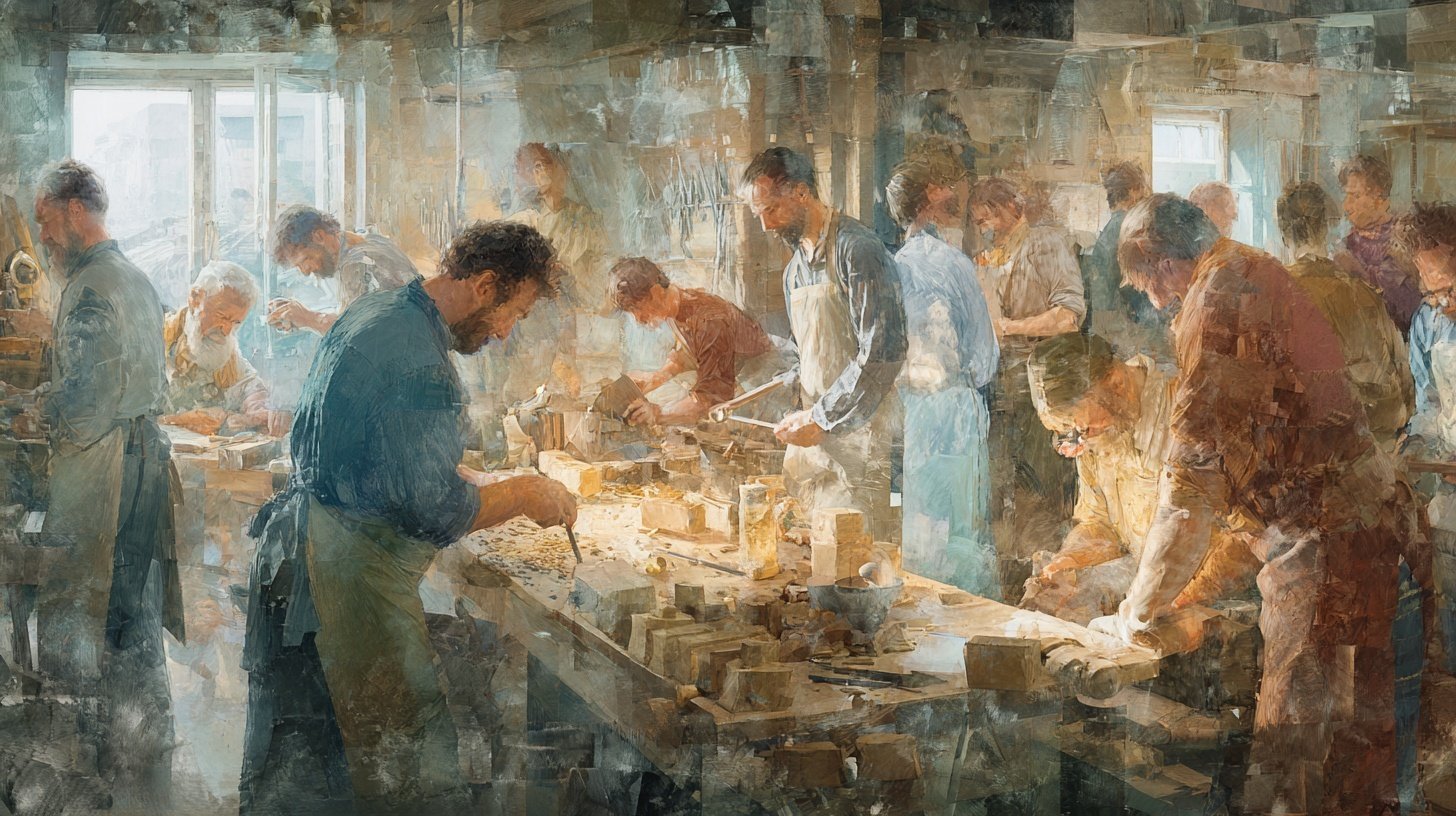
Overall, the renaissance of old crafts shows that we do not simply have to live in the past to be prepared for the future. The fusion of tradition and innovation opens up unforeseen possibilities for both creatives and consumers. The next time you are in a small craft shop or visiting a craft fair, take a close look at the products and think about the heritage and creativity that lies within.
In short: The comeback of old crafts shows that it is never too late to appreciate old skills and find new ways to transport them into the 21st century. You can be part of this movement by thinking sustainably and supporting the work of local artisans. Together, we can create a future that connects the old and the new.