
The Role of Respect in Joint Education
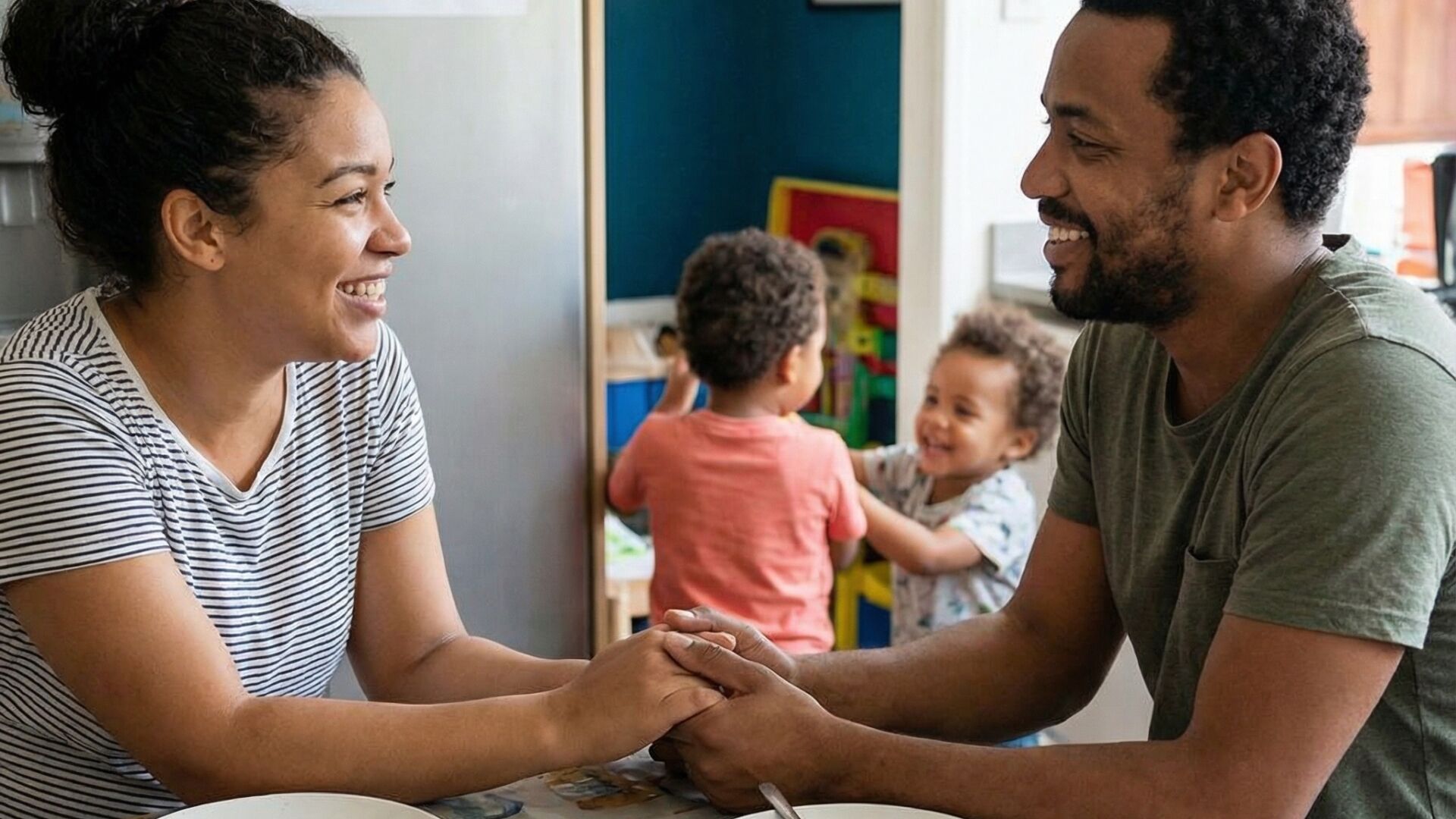

In modern education, respect is a central element that is often overlooked. Especially in blended families, where different parenting styles meet, it is crucial to develop a cohesive strategy. Georgia.de offers valuable insights for mothers who want to strengthen harmonious relationships within their family. Respect is not only a foundation for loving education but also the key to a balanced and happy family life. In this article, we shed light on how respect can strengthen relationships between parents and shared children and what concrete steps you can take to achieve this goal.
Respect for children manifests in many facets. It begins with the way we speak to and interact with them. By taking children's opinions and feelings seriously, we not only foster their self-confidence but also their ability to treat others with respect. It is important to keep in mind that respect is a reciprocal matter. When children feel that their voices are heard, they are more likely to respond respectfully to the opinions of adults. This positive dynamic can be crucial for developing a strong family bond.


Why Unity in Parenting is Important
In a family where different parenting styles exist, confusion can arise among children. For example, if one parent is permissive while the other insists on strict rules, children often feel torn. This imbalance can lead to uncertainties and diminish respect among family members. Unity in parenting helps establish clear boundaries and convey shared values. This not only builds trust between parents and children but also promotes a harmonious family climate.
A unified parenting strategy also means that both parents, regardless of their relationship with each other, need to work together to shape parenting effectively. This can be achieved through regular conversations where each presents their views and finds compromises. By acknowledging the strengths of each parenting style, you can create an environment that is respectful and supportive. This collaboration can help children develop a sense of security and stability that is essential for their emotional and social development.
Practical Tips for Respectful Parenting
An important practice for fostering respect is active listening. When children know that their concerns are taken seriously, it increases their willingness to respect the opinions of adults as well. You can encourage this by regularly setting aside time for conversations and focusing your attention on the child. Make sure to establish eye contact and ask questions that show your interest in their thoughts. This simple yet effective method strengthens not only respect but also the bond between parents and children.
Another important element is serving as a role model. Children learn through imitation, and when they see you treating others with respect, they are more likely to do the same. Show your children how to resolve conflicts respectfully and how important it is to consider the feelings of others. When a conflict arises, explain your emotions and those of the other person to promote empathetic behavior. In this way, respect is not only discussed theoretically but also made practically experienced.
Last but not least, it is also important to celebrate your children's successes. By appreciating and recognizing their progress, you foster their self-esteem and motivate them to continue acting in a respectful and responsible manner. A simple "Well done" or a small reward can have a big impact. In this way, you not only teach respect but also create positive behavior patterns that will benefit them in their future lives.
Conclusion and Final Thoughts
In summary, respect in the upbringing of shared children plays a crucial role. A respectful upbringing not only creates a harmonious atmosphere but also fosters trust and security within the family. Through joint strategies and cooperative communication, parents can ensure that their children grow up healthy and happy.
You have the opportunity to achieve significant effects through small changes. Focus on modeling respectful behavior and creating space for your children's opinions. Applying these principles can help establish a strong and loving family relationship that can withstand future challenges.
Ultimately, it is important to recognize that respect is a reciprocal relationship. The more respect you show your children, the more you will receive in return. By living and nurturing this dynamic, you invest in a harmonious and loving family environment that forms the foundation for your children's healthy development.