
The Differences Between Empathy and Compassion
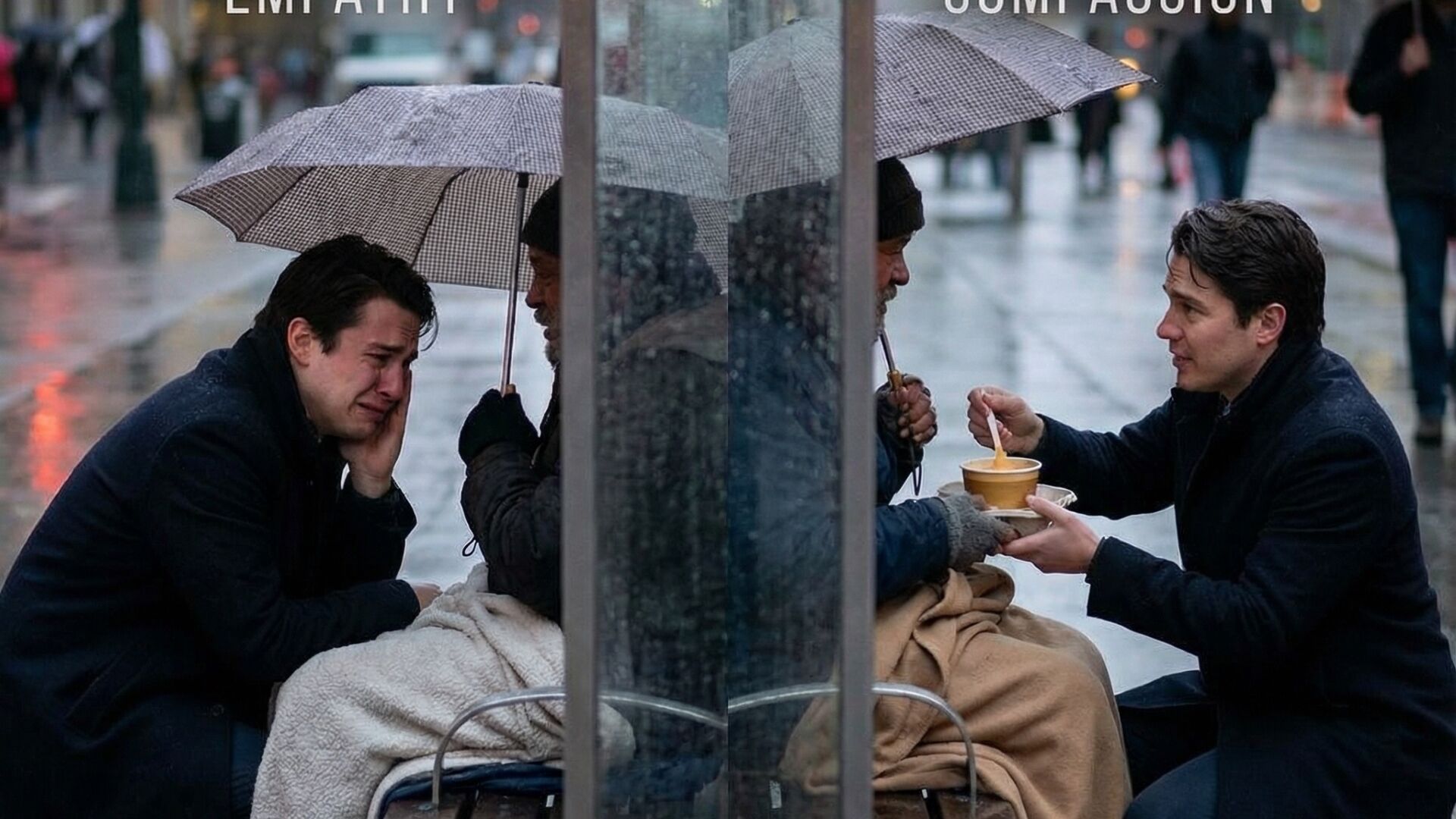

In the complex world of human relationships, it is crucial to understand the differences between empathy and compassion. These two terms are often used interchangeably, but they refer to different emotional reactions. This distinction is especially important for women striving to create deeper, more meaningful connections and enhance their emotional well-being. At lifescout.com, a platform that supports women in their pursuit of personal growth, we explore how these concepts can influence your interpersonal relationships. By understanding the nuances between empathy and compassion, we can learn to build healthier and more fulfilling relationships with ourselves and others.
Empathy is often defined as the ability to understand another person’s feelings and perspectives. It allows us to put ourselves in someone else’s shoes and feel their emotions. This emotional connection can be very strong and can lead us to care about the well-being of others. An empathetic response often occurs in situations where someone is suffering, such as when we witness a friend's grief. We can feel their sadness and feel motivated to support them. This kind of connection fosters a deep understanding and a sense of closeness between people.
Compassion, on the other hand, goes a step further. It is not just about understanding another’s feelings but also the desire to help or alleviate suffering. Compassion means that we not only think of another’s pain but actually take action to assist. This could be through words of support, physical help, or simply being present for someone who is suffering. It is a more active response aimed at not just understanding, but also providing support. An example could be helping someone in a time of difficulty by offering practical assistance.


The Connection Between Empathy and Compassion
While empathy and compassion are closely related, they cover different emotional responses. Empathy can often lead to compassion, but not always. Through empathetic understanding, the urge to help can arise, and this is where compassion comes into play. These two processes should not be seen as separate but rather as complementary aspects of human behavior. In a world often characterized by loneliness and alienation, it is important to develop both abilities.
A common mistake is to believe that empathy must always lead to compassion. Sometimes people can feel overwhelmed or emotionally drained by empathy without actually taking action to help someone. Here lies a challenge in finding the balance so that empathy does not end in a state of emotional exhaustion. It is important to take care of yourself, even while being empathetic.
Practical Tips for Developing Empathy and Compassion
To actively foster empathy and compassion, you might start practicing mindfulness. Mindfulness helps you explore your own emotions and develop a better understanding of the emotions of others. You can practice this by regularly pausing and reflecting on how those around you are feeling. Every interaction presents an opportunity to show empathy—whether through active listening or asking sincere questions aimed at others' well-being.
Additionally, it is helpful to initiate small acts of compassion daily, whether through kindness, support, or simply sharing positive words with others. Volunteering or supporting your community can also be an excellent way to strengthen both empathy and compassion. By helping those in need, you can develop practical compassion while simultaneously enhancing your empathetic skills.
Summary and Outlook
Understanding the differences between empathy and compassion can positively impact your life. While empathy helps you form deeper emotional connections, compassion enables you to take action to help others. In a time when interpersonal relationships are needed more than ever, combining these two skills is crucial for building harmonious and healthy relationships. By developing and nurturing them, you create an environment of support and understanding.
In conclusion, I encourage you to actively integrate these skills into your life. The world needs more empathy and compassion to create a more loving, supportive society. Your small steps can make a big difference!