
DIY Culture: Experience creativity and sustainability anew
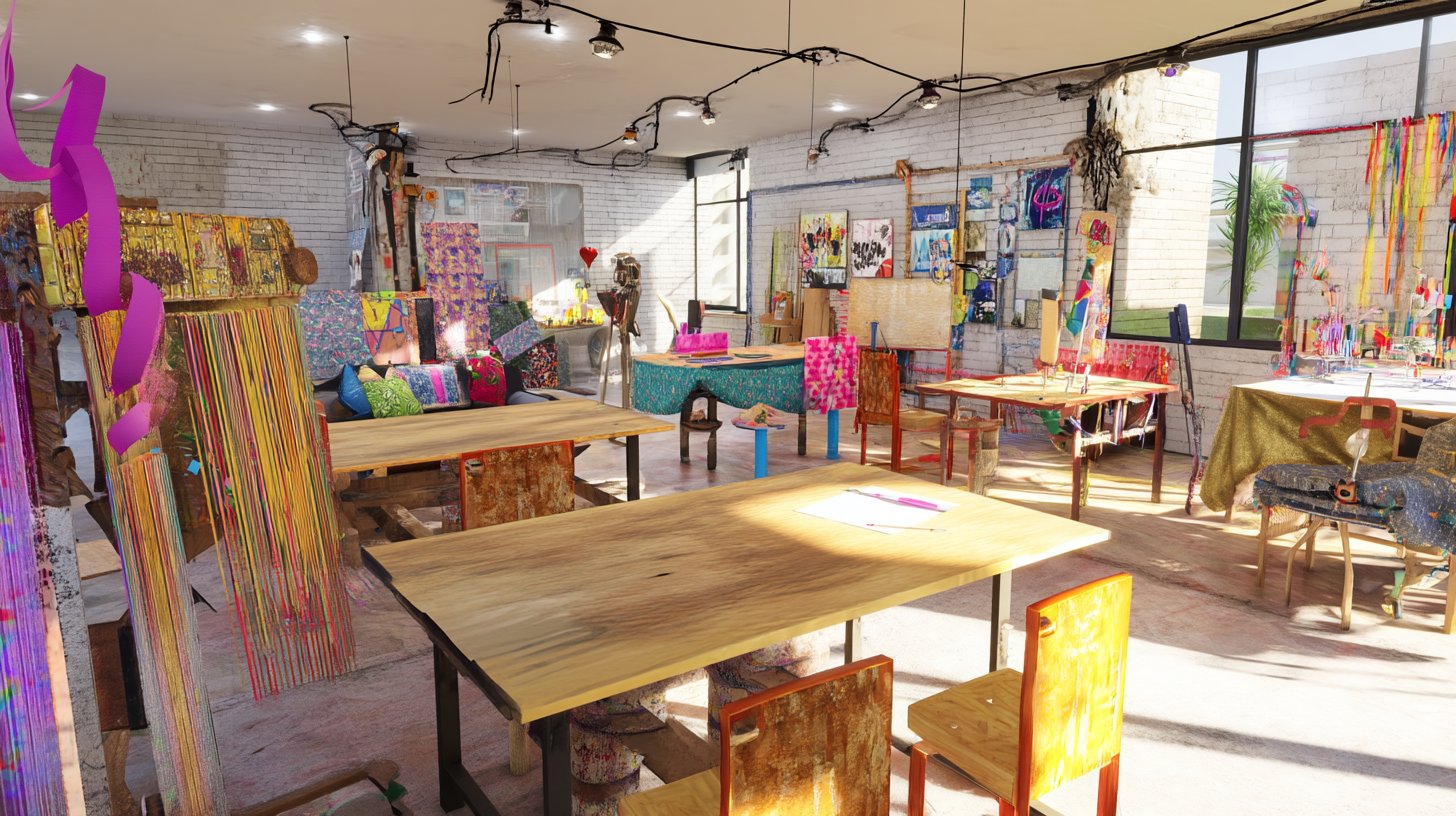

In a world that is becoming faster and where mass production is the norm, there is a remarkable trend towards the revival of DIY culture. This return to craft skills and individual creation is not only a creative expression but also a response to the challenges of sustainability. Let's discover together how craft movements can awaken your creativity and have a positive impact on the environment!
The do-it-yourself movement has experienced a real boom in recent years. People of all ages and backgrounds are discovering the joy of making things themselves. You can create things that you need, whether it’s clothing, furniture, or decorative items. This return to craft skills not only provides the opportunity to save money but also to create something unique that reflects our personality.


Craft as Therapy
An often-overlooked aspect of DIY culture is its therapeutic effect. Working with your hands can reduce stress and enhance well-being. By focusing on projects, you find a kind of meditation in the creative process. Cutting, gluing, or painting allows you to clear your mind and concentrate on the here and now.
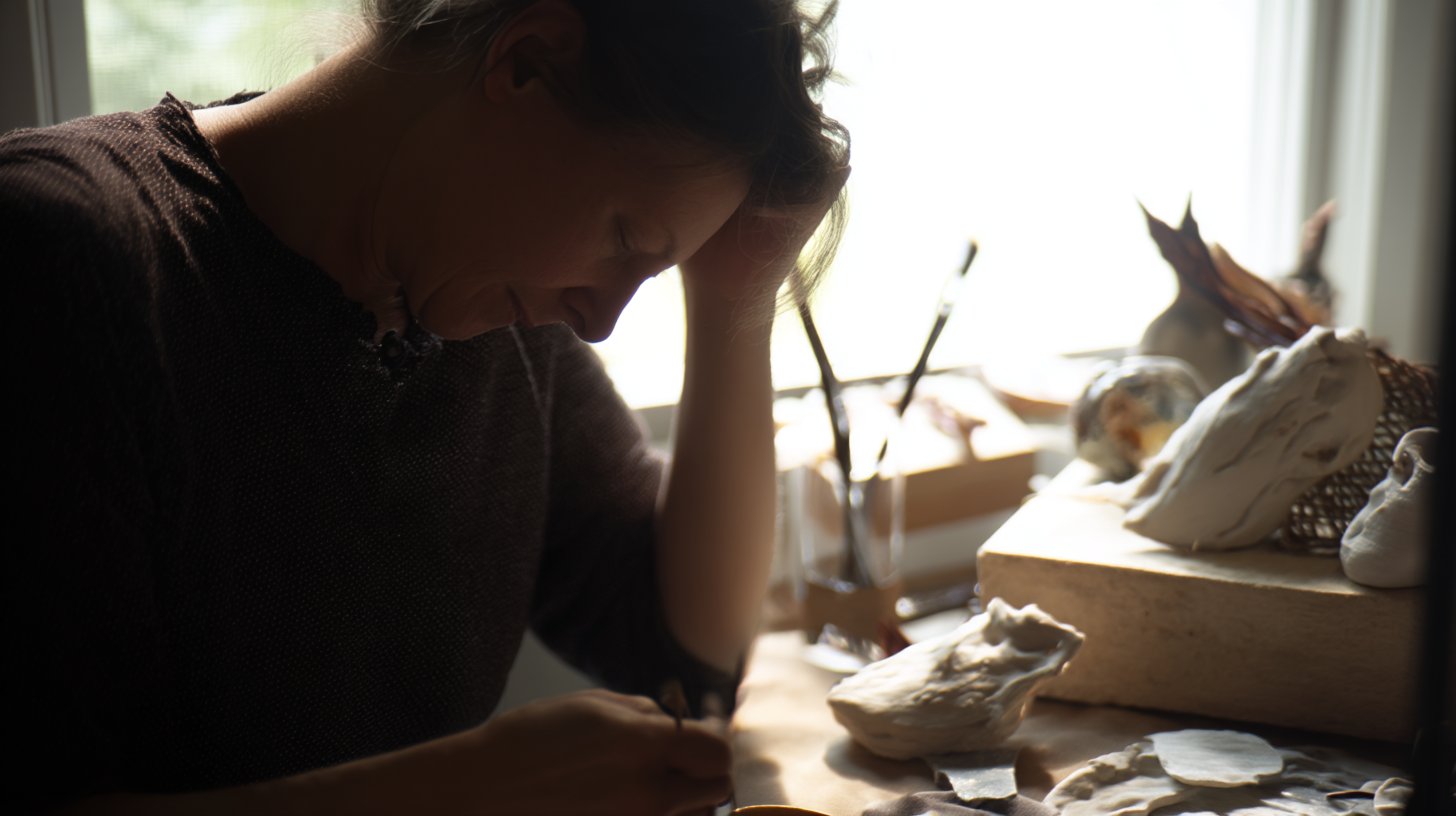
The feeling of creating something of your own boosts self-confidence. Whether knitting a scarf or building a shelf, every little achievement gives you a boost. You will find that every challenge you overcome is a valuable learning and growth experience that inspires new ideas.
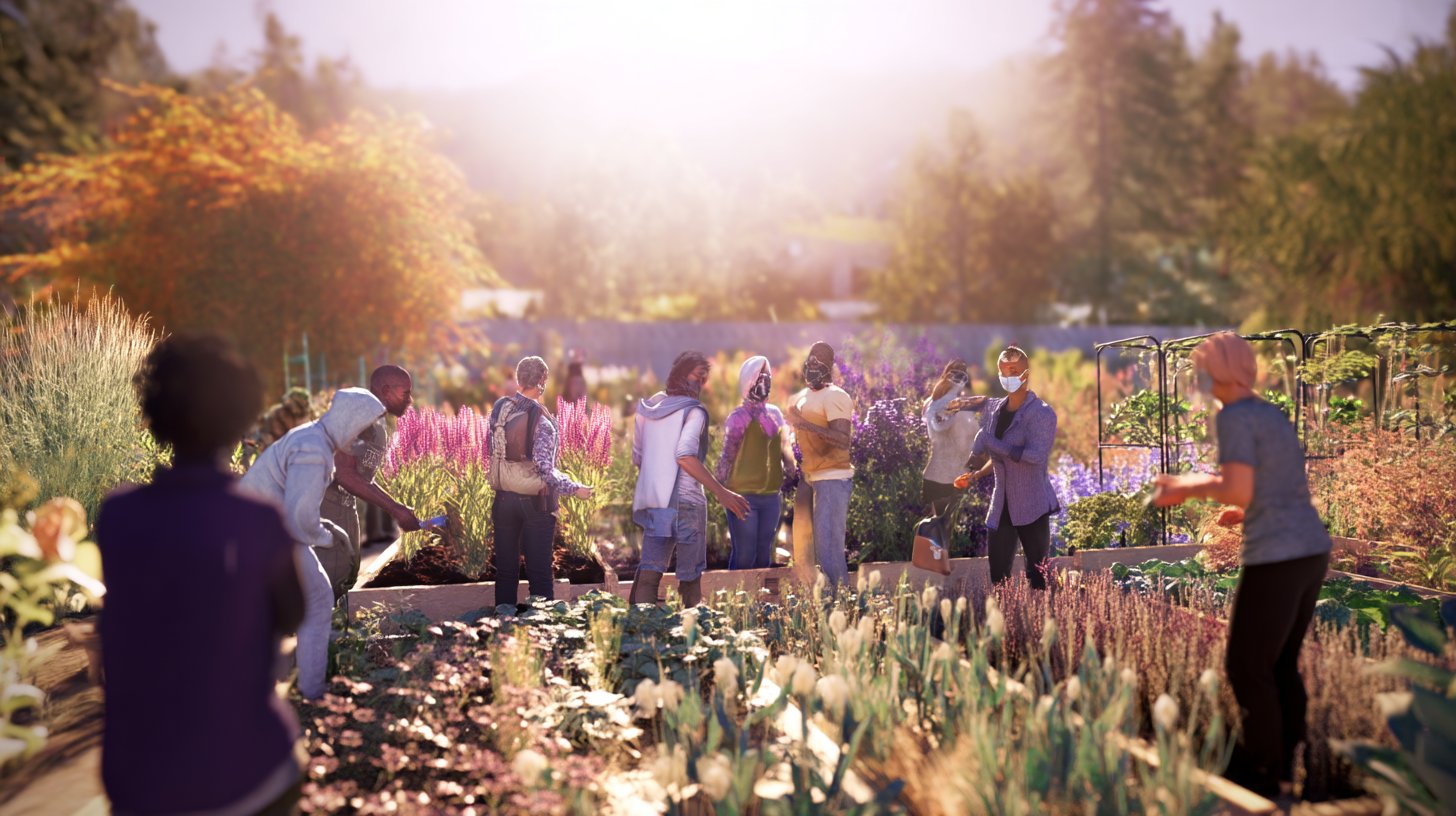
Moreover, DIY culture promotes community. Workshops and exchange fairs bring like-minded individuals together who want to share their skills and learn from each other. The network of creative minds is growing, and everyone contributes individual perspectives. These social interactions can lead to lifelong friendships based on shared interests.
Sustainability and Environmental Awareness
In times of climate change, DIY culture also plays an essential role in sustainability. By making products yourself, you reduce the need for mass-produced goods that are often made under dubious conditions. Additionally, you can recycle old materials instead of consuming new resources. Upcycling is a real trend and gives old items a new life.
Furthermore, DIY fosters awareness of one’s own consumption. By making products yourself, you consider which materials you want to use and how much you actually need. This leads to a more sustainable lifestyle and a smaller ecological footprint. After all, it is better to knit your own sweater than to buy a new one made of polyester.
The Path to Your Own Creativity
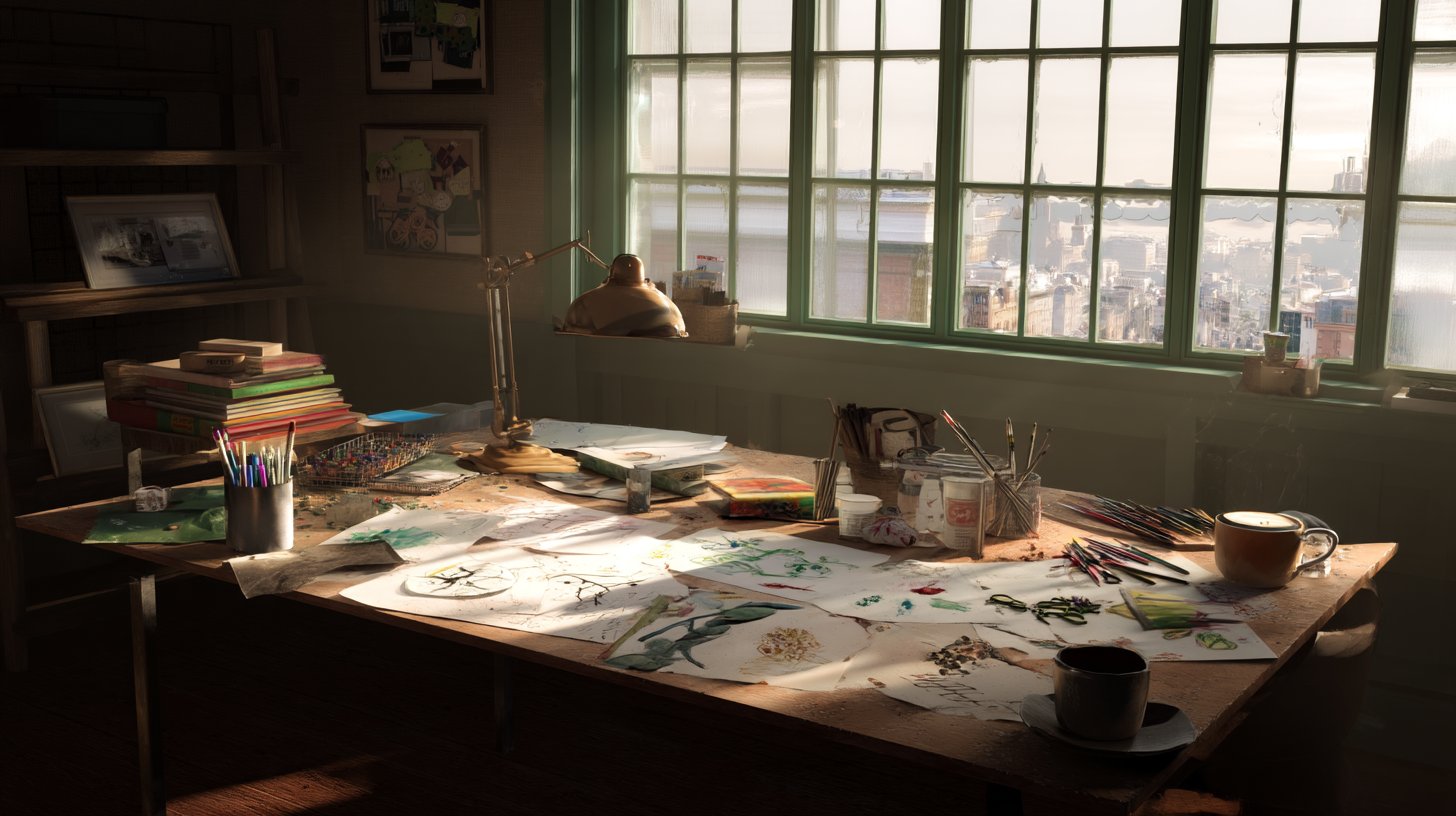
If you are wondering how to get started in the DIY world, there are numerous ways to begin. Start small: set out to complete a simple project, like building a bookshelf or designing your own T-shirts. Look for tutorials online or visit local art and craft classes to learn the basics.
Let yourself be inspired by others and find a community that shares your passion. Social media platforms are full of DIY enthusiasts who share their projects and provide valuable tips. By exchanging ideas and experiences, you can not only improve your skills but also form new friendships.
Ultimately, the revival of DIY culture is not just a trend but a deeper return to the core values of craftsmanship. Yes, it is a way to live individually and sustainably while creating something unique. So start today to shape your creative journey and discover the joy of making things yourself!