
Shopping without barriers: The importance of accessibility in modern retail
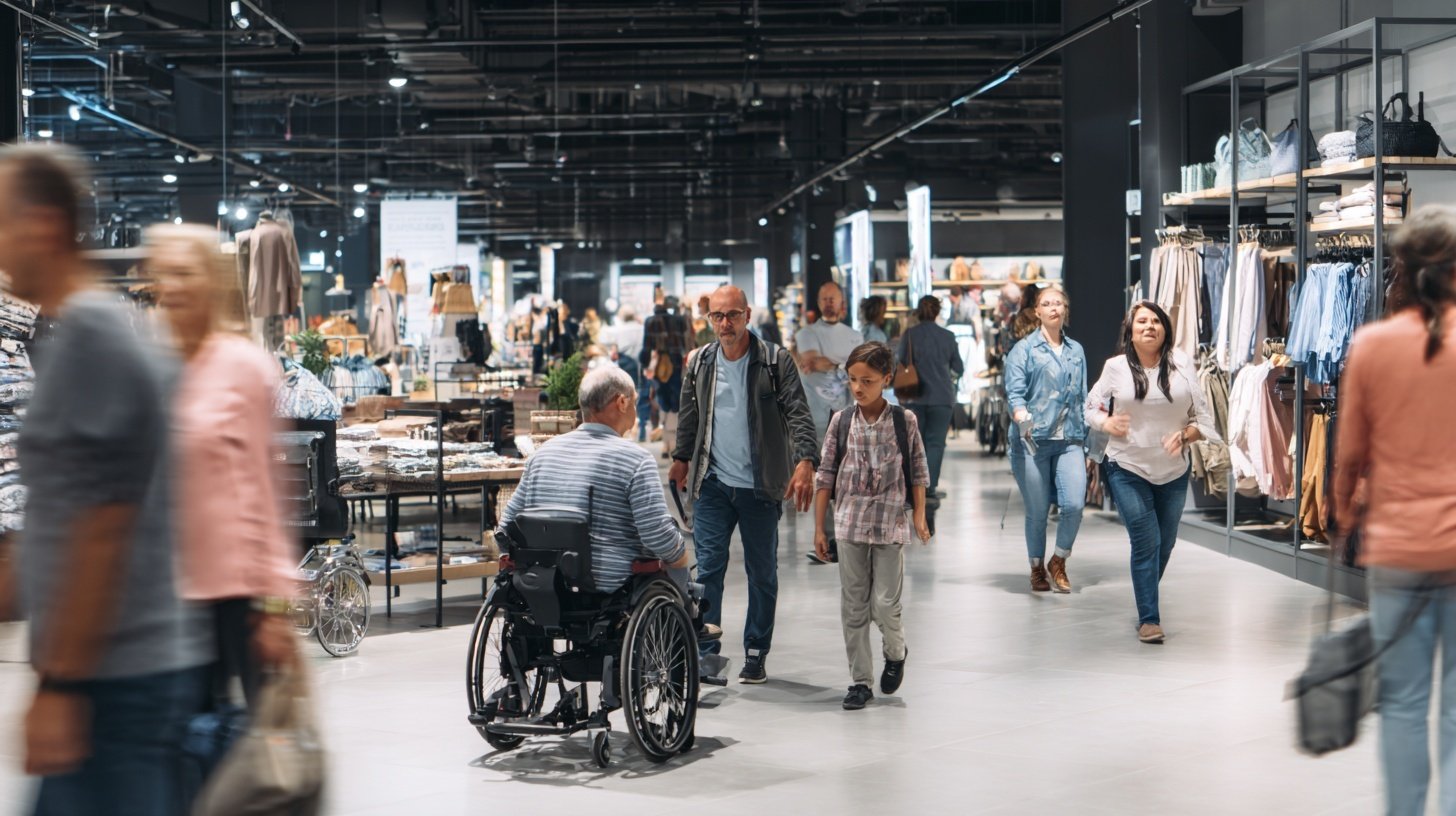

In a world that is becoming increasingly interconnected, it is important that everyone has access to the things they need. Shopping should be a pleasant experience for everyone, regardless of physical abilities or other limitations.
When we think of accessibility in retail, we often find that it goes far beyond simple ramps and wider aisles. It is a holistic approach that encompasses all aspects of the shopping experience, from store design to online presence to support from staff.


Understanding accessibility
Accessibility in retail means that all people, regardless of abilities, are able to use the same services and products as others. This includes how information is conveyed. For people with hearing or visual impairments, clearly legible signs and auditory instructions are essential.

It is important that stores strive to meet these standards. Imagine someone with a mobility impairment wanting to buy a new pair of shoes. If access to the store is difficult or if sales staff are not trained to offer the best solutions, this can lead to frustration.
Companies that invest in barrier-free design demonstrate that they value their customers. Moreover, they gain loyal customers who return because they find the experience positive.
The role of technology
Technology plays a significant role in the advancement of accessibility. With so-called accessibility tools, websites can be optimized for people with disabilities. Screen readers that read texts aloud or special apps that assist with navigation are just a few examples.

Furthermore, online shopping platforms allow customers to shop from home. This not only reduces stress for people with mobility limitations but also gives relatives of people with disabilities the opportunity to provide support.
Raising awareness
Many retailers struggle with the issue of accessibility, not because they do not want to, but often because they are unaware of the needs of their customers. Information campaigns can help raise awareness and promote a discussion about needs.
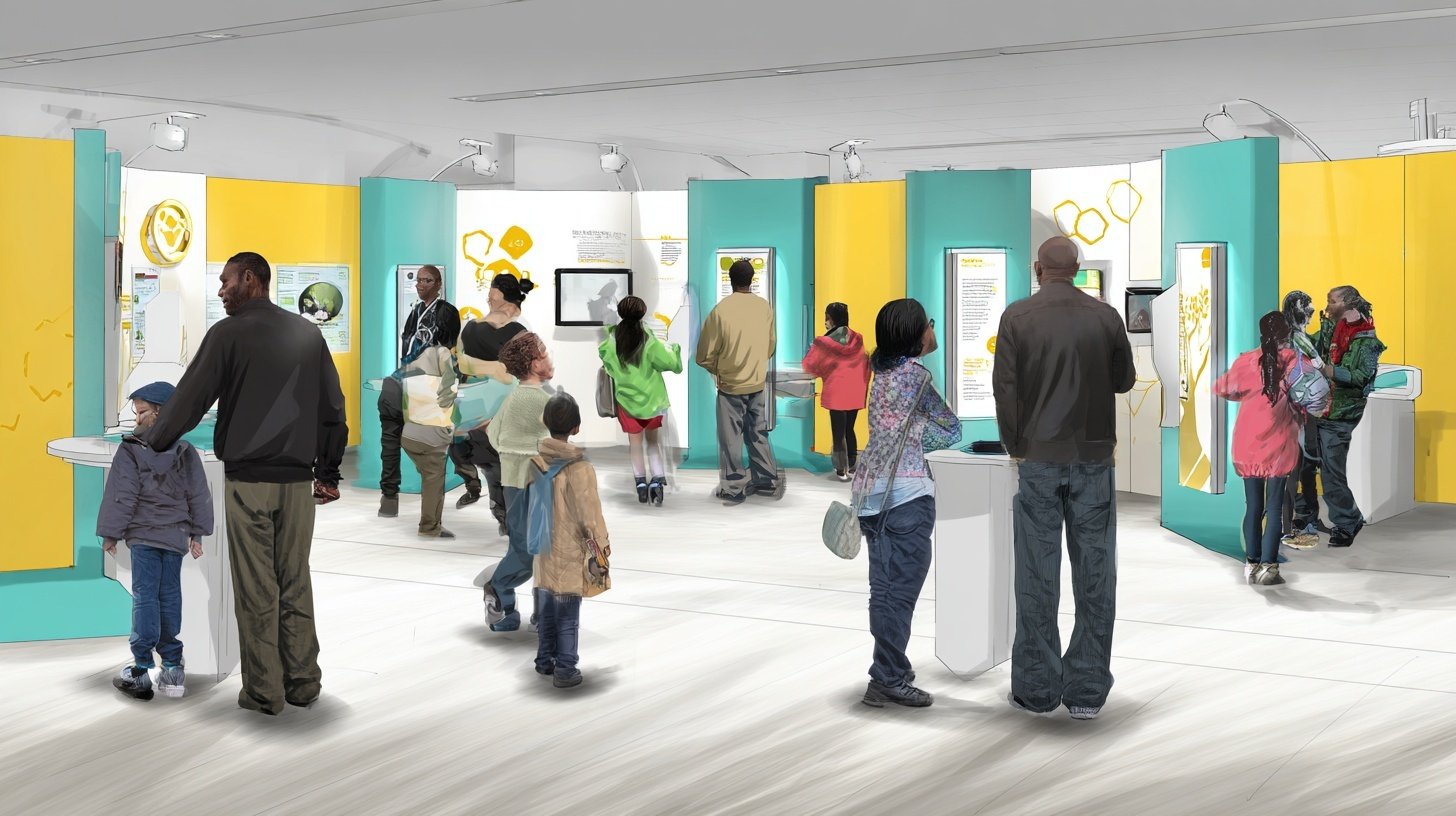
Introducing training programs for employees is also an important step. When staff are well-informed and trained, they can respond much better to customers with special needs and offer innovative solutions.
Ultimately, we all need to do our best to break down barriers. Whether shopping or in everyday life - an inclusive society is the responsibility of all of us.
Accessibility in retail is not just a legal requirement, but also an ethical responsibility that we should take on. There is an opportunity to create shared spaces where everyone has the same opportunities.
It is time for us to raise more awareness about accessibility and do everything we can to create an environment where everyone can shop safely and comfortably.