
Emotional Intelligence: The Key to Better Relationships
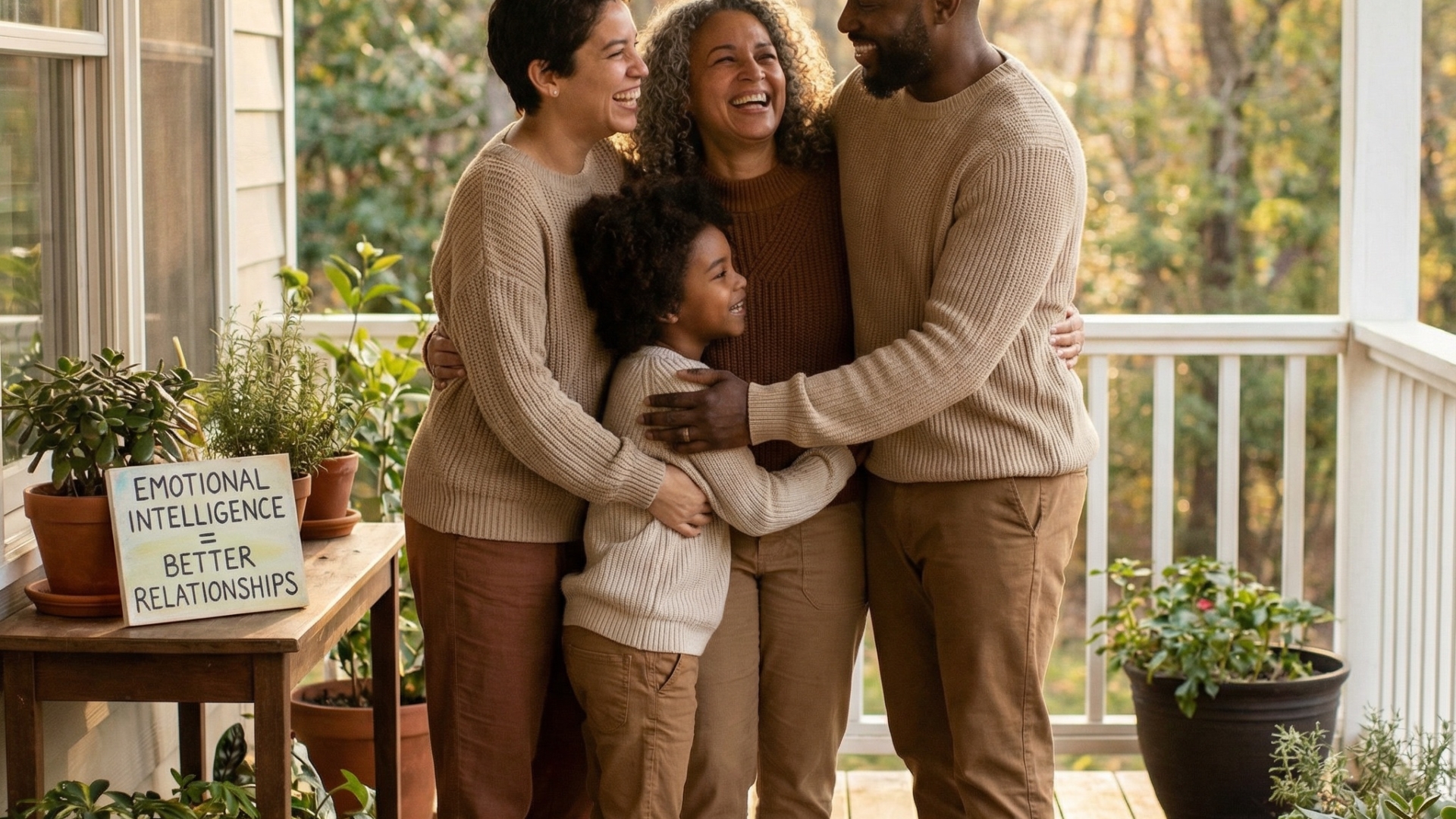

Emotional intelligence (EI) is a fascinating concept that has gained more significance in recent years. In today's fast-paced world, where interpersonal relationships are often under pressure, a high emotional intelligence helps to better cope with these challenges. At frauenzeit.de, your online magazine for women, we want to show you how EI can improve the quality of your relationships. With a deeper insight into your emotions and those of others, you can resolve conflicts more successfully, develop empathy, and strengthen your self-esteem. Our goal is to provide you with valuable tools to understand the mechanisms of relationships and enhance your quality of life.
A central aspect of emotional intelligence is the ability to recognize and appropriately regulate one's own emotions. When you can understand your emotional spectrum—whether it's joy, sadness, or anger—you can better react to situations. This does not mean that you should suppress your emotions, but rather that you learn how to deal with them. Everyday examples show that people who can regulate their emotions are more successful in relationships and the workplace.
Equally important is the ability to recognize and interpret the emotions of others. This is called empathy. Empathetic people are generally better listeners and can build trust more quickly. Imagine you are in a discussion with a friend who is obviously upset. If you can recognize and address their feelings, it not only shows your sensitivity but also improves the overall interaction. Empathy leads to stronger bonds and positive exchanges.


The Role of Emotions in Relationships
Emotions play a central role in our relationships with others. They influence how we communicate, how we resolve conflicts, and ultimately how we feel connected to each other. A key area where emotional intelligence is important is conflict resolution. When a misunderstanding occurs, it is often emotions that escalate the situation. People with high EI can recognize this and intervene in a de-escalating manner.
Furthermore, emotional intelligence helps to communicate more effectively. Individuals who understand their own feelings and those of their peers can conduct clearer and more constructive conversations. This not only results in misunderstandings occurring less frequently but also means that critiques and suggestions are better received. The ability to use language in a way that takes the emotional state into consideration is a sign of high emotional intelligence.
Tips for Developing Emotional Intelligence
Developing emotional intelligence is a continuous process that can be fostered through conscious efforts. One practical method is to regularly practice self-reflection. Take some time to think about your emotions and analyze how you respond to different situations. Questions like 'What did I feel and why?' help to develop a deeper understanding of your own emotional reactions.
Additionally, you can strengthen your empathy skills by actively listening. This means not only hearing the other person's words but also paying attention to what is said between the lines. Try to put yourself in the speaker's shoes and understand their perspective. This not only promotes understanding but also shows that you respect their feelings.
Moreover, it is important to set healthy boundaries. Emotional intelligence does not mean that you must always be there for others. You should also recognize and respect your own needs. By setting boundaries, you ensure that your emotional resources are not overwhelmed and that you have space for your own feelings.
Conclusion and Outlook
In conclusion, it can be said that emotional intelligence plays a key role in our relationships. It enables us to understand our own emotions and to better recognize those of our peers. By developing these skills, we can not only improve our interpersonal relationships but also enhance our own well-being.
Use the tips mentioned above to develop and promote your emotional intelligence. Remember that these skills take time and practice, but the results will be worth it. You will find that your relationships become deeper and more fulfilling, leading to a happier and more balanced lifestyle.