
Family Traditions and Their Impact on Relationships

The impact of family traditions on relationships is profound and often underestimated. Every family has its own rituals, customs, and traditions that not only shape the dynamics within the family but also influence how we act in our relationships with partners and friends. At frauenzeit.de, your online magazine for women, we want to show you how these traditions can both strengthen and burden the bonds we form. In this article, we explore the various facets of family traditions and their influence on our emotional connections. You will learn how to capitalize on the positive aspects of your traditions while recognizing and overcoming negative patterns to promote healthy, harmonious relationships.
Family traditions often reflect the values and beliefs instilled in a family. These values can have both positive and negative effects. For example, festive family gatherings passed down from generation to generation can convey a sense of belonging and support. On the other hand, certain expectations associated with these traditions can also create pressure. A classic example is the pressure to celebrate certain holidays in a specific way, which can lead members to feel uncomfortable or even alienated. It is essential to understand this dynamic to better recognize the strength or weakness that family traditions bring into our lives.


The Positive Aspects
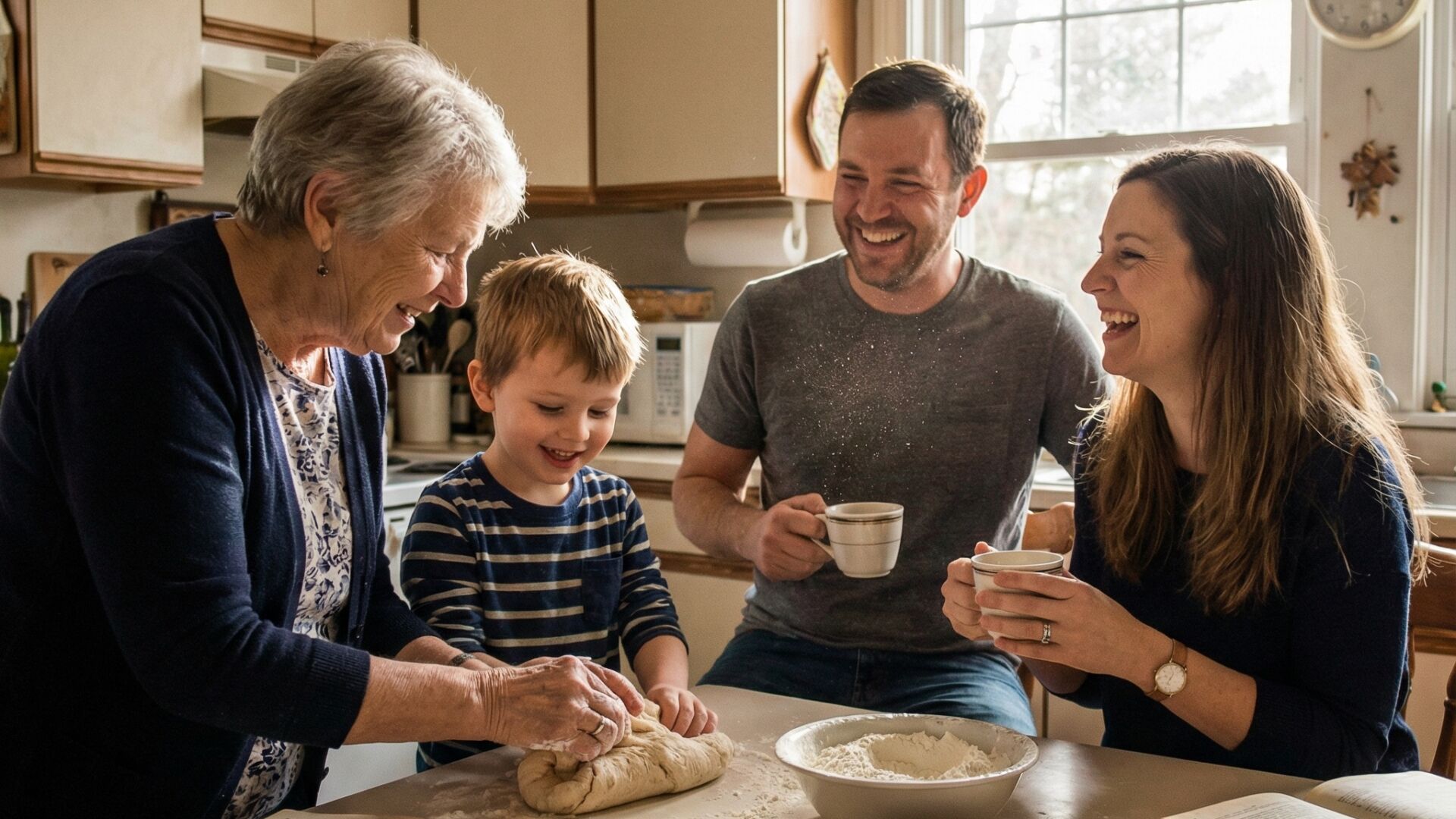
The positive aspects of family traditions are multifaceted. They provide a framework in which family members can feel safe and secure. Celebrating holidays or special occasions together can foster deeper bonds within the family. These traditions create memories that stay with us for a lifetime. They offer not only a reason for joy but also an opportunity to convey values such as togetherness, respect, and support. For example, if you regularly cook together as a family or engage in other shared activities, it fosters exchange and understanding of one another. Such positive rituals can also prove to be strengthening in romantic relationships by bringing partners closer together.
However, family traditions can also be very traditional and rigid, leading to a feeling of constraint. In modern relationships where individuality and personal growth are important, clinging to old patterns can create conflict. It is essential to find a balance between respecting traditions and being willing to forge new paths. One way to do this is to create new traditions that recognize the values and uniqueness of each individual within the relationship. This could mean developing a new way of celebrating holidays that brings joy to both partners and connects their backgrounds.
The Challenges
As useful as family traditions can be, they also bring challenges. One of the biggest challenges is the generation conflict. Younger generations may not want to adopt the traditions of their parents because they can no longer identify with sudden changes, such as the increase in diversity and individualism. This can lead to tensions within the family when older members cling to their traditional values. An example might be the rejection of new lifestyles or relationship concepts that younger family members choose. This often leads to misunderstandings and alienation, which can strain relationships. It is crucial to engage in honest dialogue to bridge these differences.
Another important point is how we carry our experiences with family traditions into future relationships. Often, we repeat patterns we experienced in our family without critically questioning them. This means we may unconsciously repeat behaviors that burden our relationships. Here it is vital to instinctively ask whether these behaviors contribute to a healthy relationship or if it is time to break old habits. Being aware of one’s own history and its impact on the present is the first step to recognizing and changing dysfunctional patterns.
Finally, engaging with family traditions can also be an opportunity for development and strengthening relationships. Learning about your partner's traditions can lead to a deeper understanding of the values and beliefs that shape their decisions. This knowledge opens doors for conversations and allows for the expansion of traditions through compromise or even the adoption of new ones. This not only fosters bonding but also shows that one is willing to invest in the relationship and create a stable foundation for the shared future.
Conclusion and Outlook
In summary, family traditions can have both positive and negative effects on our relationships. It is up to us to harness the positive aspects and actively address the challenges. By consciously engaging with our traditions and giving them a personal, modern context, we can build healthy and fulfilling relationships. It is important that not only we but also our partners are involved in the process to create a common foundation. Acknowledging and appreciating one’s own past can ultimately lead to a more harmonious present and future where every relationship can thrive.
Therefore, I invite you to reflect on the family traditions in your life and think about how they influence your relationships. Use the positive aspects to create a strong foundation for your bonds and do not hesitate to work on the negative patterns. By being open and honest with yourself and others, you can give your relationships a new direction and let them emerge strengthened from the engagement with your own past.