
Cultural Influencing Factors on the Shopping Experience in Rural and Urban Markets
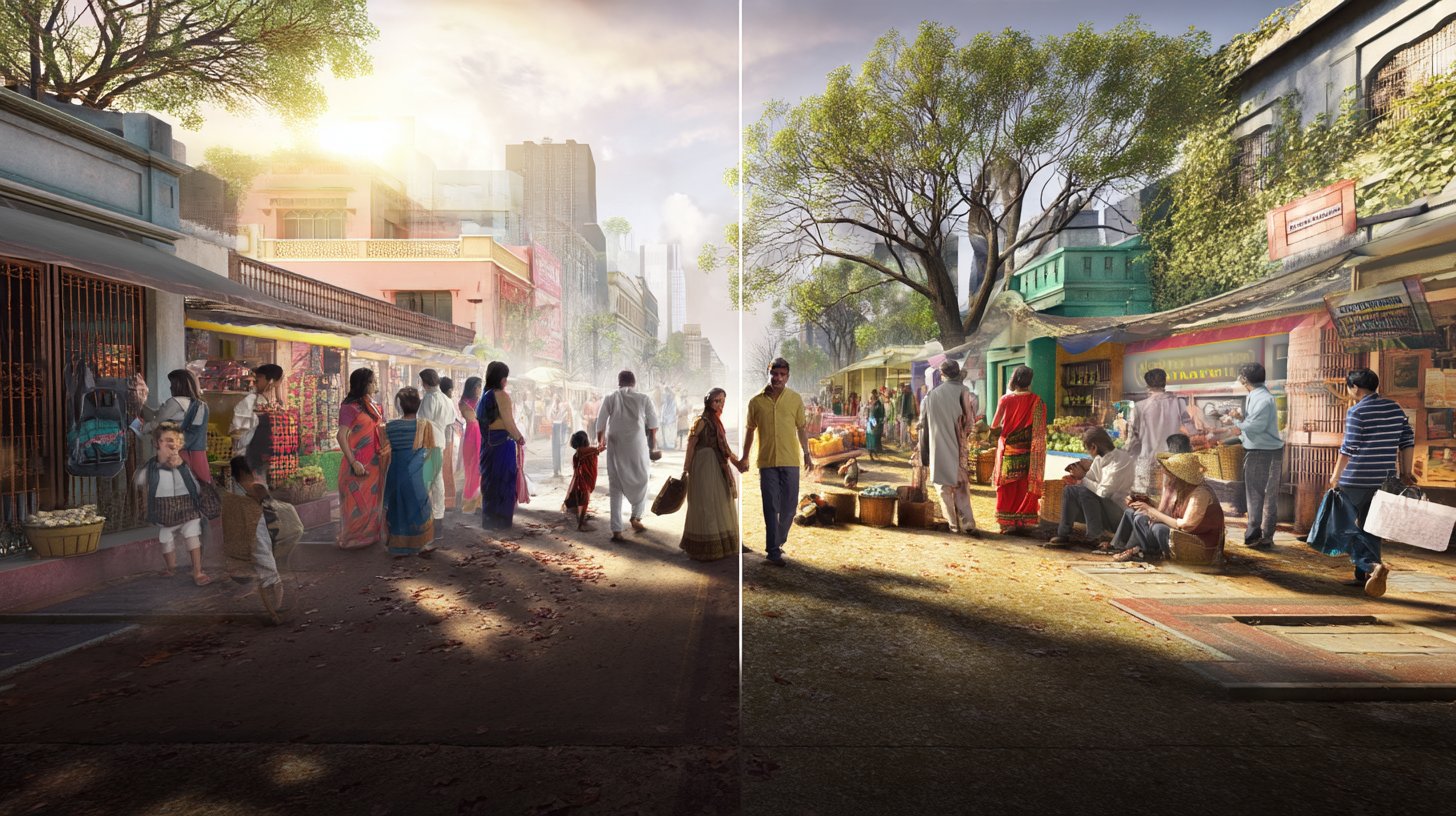

Shopping is more than just a daily necessity. It is a social, cultural, and emotional experience that is heavily influenced by our surroundings. The difference between urban and rural markets could not be greater. Here we take a look at the cultural influencing factors that shape our shopping experience.
The importance of shopping has increased significantly over the years. Not only the acquisition of goods plays a role, but also the act of shopping itself. People associate experiences, memories, and sometimes even emotional bonds with shopping. Therefore, it is important to consider the cultural aspects that influence the shopping experience.


Urban Shopping Culture
In urban areas, a variety of cultures dominates, which is directly reflected in the shopping landscape. Here you will find new and exciting opportunities to shape your shopping experience in every neighborhood. From international food markets to unique boutiques – the possibilities are virtually endless.
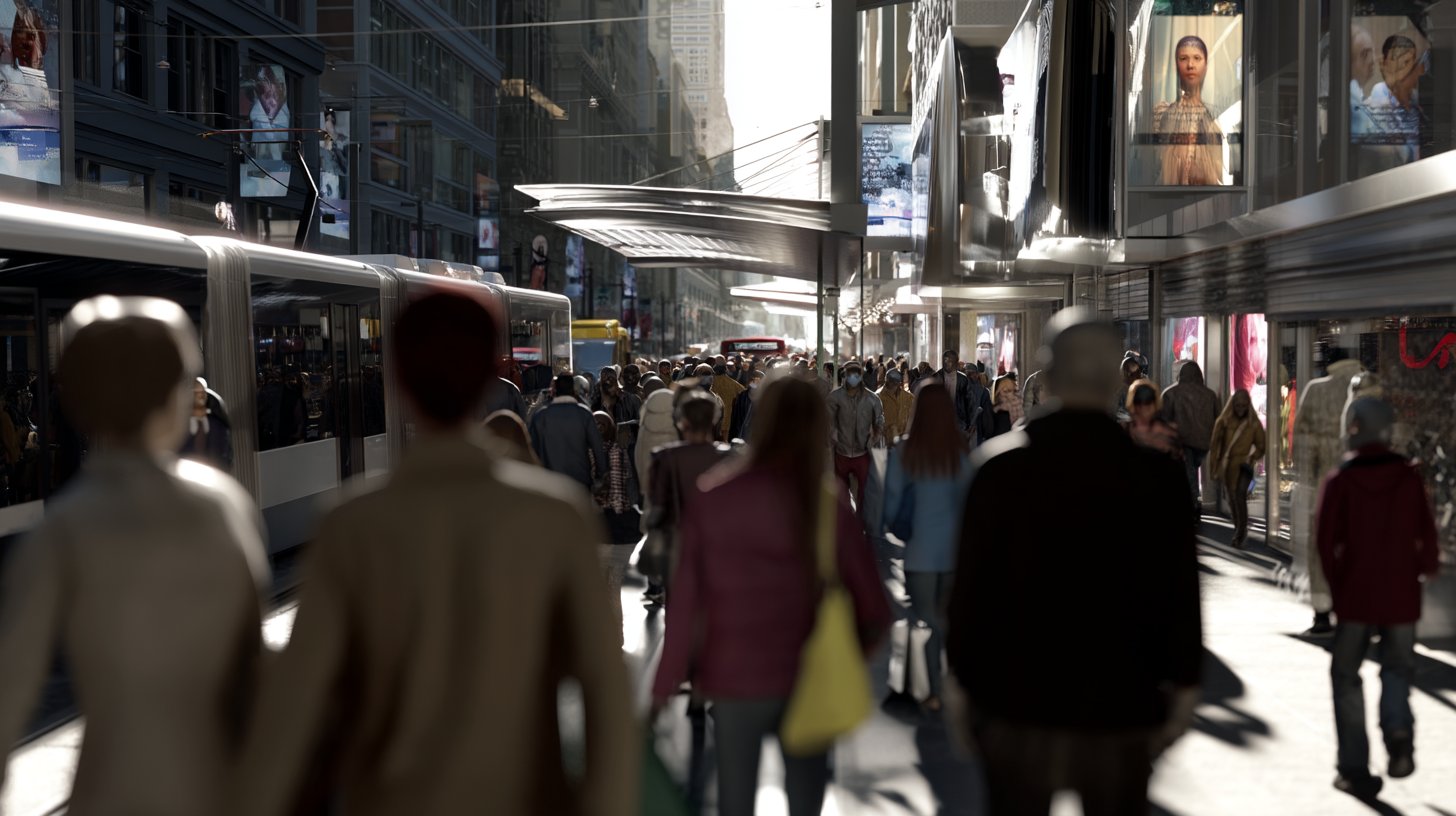
Urbanity creates a sense of dynamism; shopping behavior is influenced by the fast-paced lifestyle. People in cities are often looking for efficiency and quality, with convenience stores and delivery services attracting a large market. Additionally, social media promotes the marketing and distribution of trends that strongly influence consumers' purchasing decisions.
Another cultural factor in urban markets is the emphasis on sustainability and ethical consumption. More and more consumers in cities are willing to spend more money on eco-friendly products that are not only good for themselves but also for the planet. These attitudes influence where and what people shop for.
Purchasing Behavior in Rural Areas
In contrast, you experience a completely different shopping culture in rural markets. Here, the shopping experience is often more personal and traditional. People know each other, and the bonds between sellers and buyers are often strong. This basis of trust strengthens the sense of community.
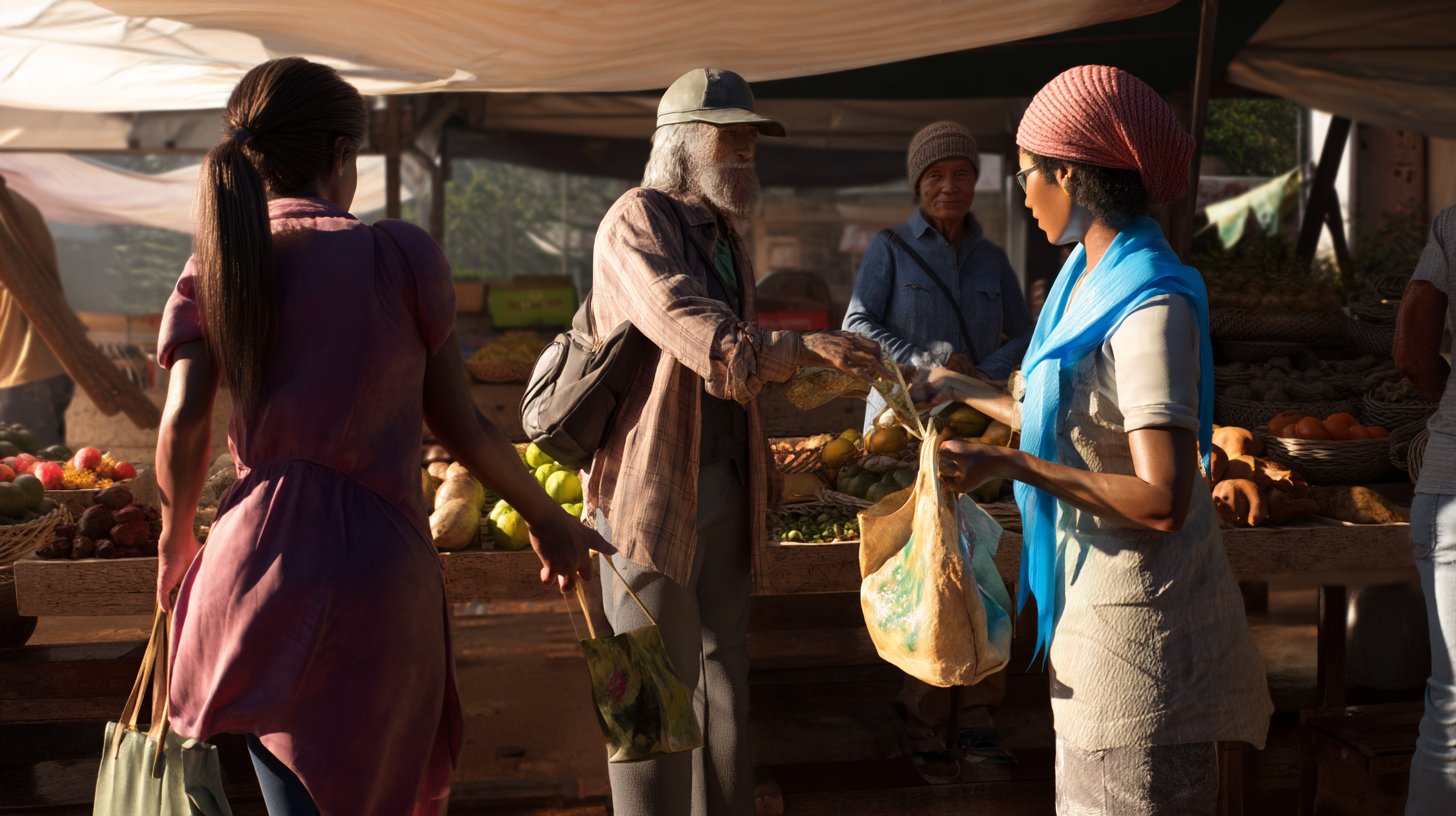
The offerings in rural areas are also crucial. Often, the demand for local and regional products dominates here. Consumers feel connected to their surroundings and prefer fresh products directly from the producer. Shopping thus becomes almost a social event, where new products and conversations go hand in hand.
Impact of Technology
Both markets, urban and rural, are undergoing a change due to advancing technology. Online shopping is no longer a trend but has become a necessity. While urban shoppers often quickly switch to digital competitors, there are still hurdles in rural areas, such as internet access and digital competence.

Despite these challenges, rural markets are also adapting. More and more local businesses are offering online orders or using social media to reach customers. Here, the influence of digitization and the change that consumer behavior is undergoing is evident.
Overall, it is clear that cultural influencing factors play a central role in the shopping experience of both markets. Whether in the city or in the countryside – it is not just about what you buy, but also about how and where.
The contact with people, the understanding of products, and the social bonds are key factors that shape the shopping experience for each individual. It remains exciting to see how these dynamics will evolve in the future.