
Cultural Differences and Their Impact on Love
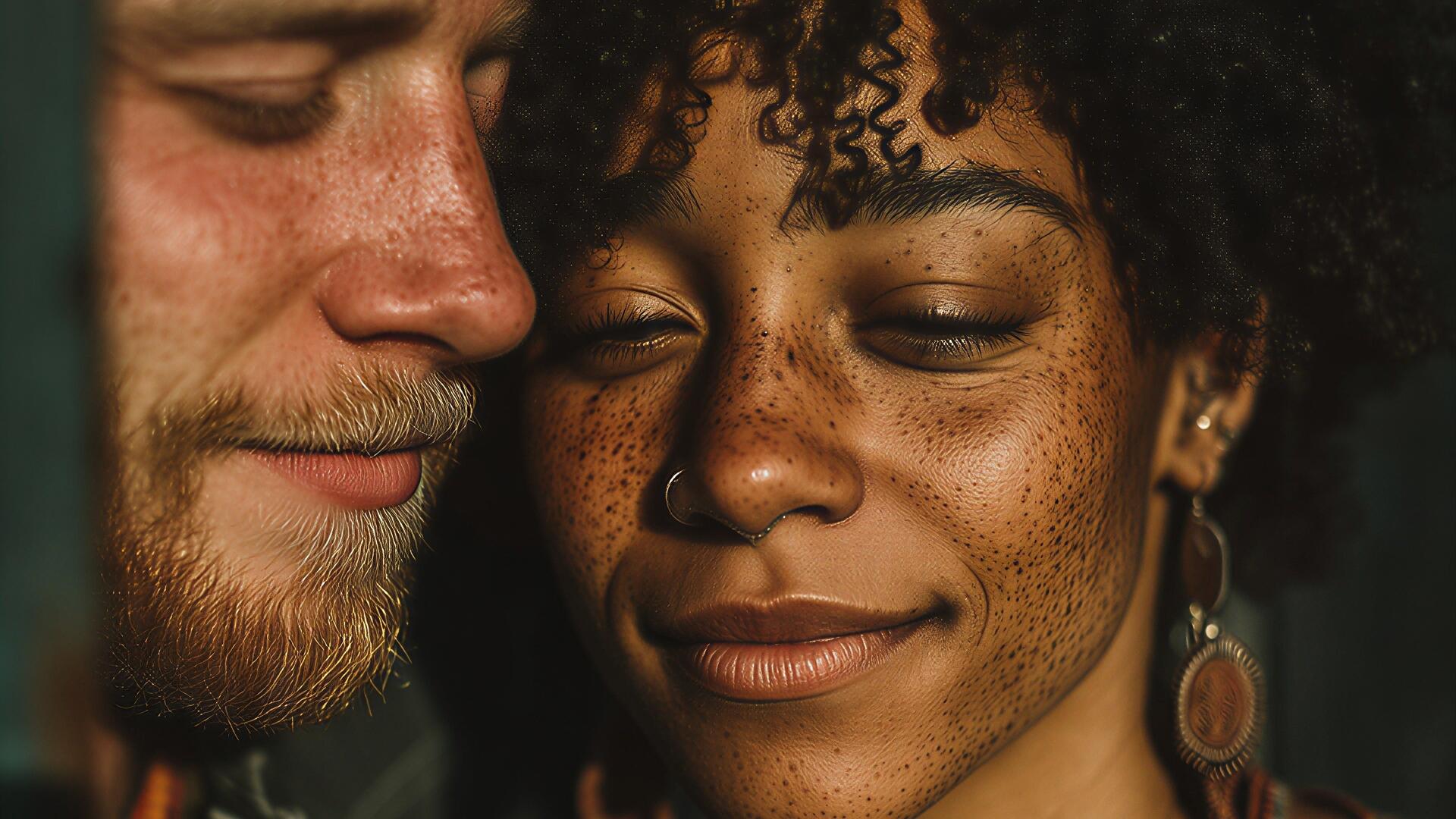

In a globalized world, love is becoming more diverse. Cultures come together, and from these encounters arise partnerships that bring both challenges and wonderful opportunities. At Lifescout.com, an online magazine for women that focuses on the psychology of relationships and personal growth, we want to explore how cultural differences influence love. We offer deeper insights into the dynamics of relationships where origin and traditions play a role. How can partnerships shaped by cultural diversity be harmoniously designed? In our article, we highlight the opportunities that arise from this diversity and how you can find happiness in international relationships. Let's discover together how cultural diversity can enrich our love.
Cultural differences can be both enriching and challenging in a relationship. When people from different cultures come together, they bring their unique backgrounds, values, and traditions into the partnership. This can lead to new perspectives as well as misunderstandings. One example is the different meanings of affection and closeness. In some cultures, physical closeness, such as hugging or holding hands, is seen as normal, while in others it is considered private. Communication styles also differ. While one culture may value direct honesty, another might prioritize diplomacy and indirect communication. Such differences can affect how couples express their needs and resolve conflicts, which is why a certain level of sensitivity and understanding is essential.
Another exciting aspect is the perspective on life goals and relationship expectations. While some cultures may place a strong emphasis on family commitments, others focus on independence and self-realization as central themes. These differences can lead to discussions about the future of the relationship. If you and your partner come from different cultural backgrounds, it may be helpful to have clear conversations on paper to avoid misunderstandings. An open exchange of expectations, dreams, and values can help find common ground that strengthens the relationship. In this way, cultural diversity is not seen as an obstacle but as a tool to deepen the bond and foster mutual understanding.


The Importance of Respect and Understanding
The key to a successful intercultural relationship lies in respect and understanding for each other. It is important to appreciate and accept your partner's traditions and customs, even if they may initially seem foreign. A great example is celebrating holidays that are interpreted differently in various cultural spheres. For example, you could create a new tradition with your partner that combines elements from both cultures. This not only fosters respect for each heritage but also creates a unique connection between you. The more you are willing to explore and celebrate the differences in your cultures, the stronger the foundation of your relationship will be.
The ability to adapt and be flexible is also crucial. In a diverse relationship, it is normal for values and views to change over time. By showing a willingness to be adaptable and viewing your cultural differences as learning opportunities, you create space for growth and renewal in your partnership. The readiness to adopt new customs and question your own perceptions can work wonders. Any challenge that arises can represent an opportunity to deepen the connection while simultaneously expressing love.
Practical Tips for a Harmonious Relationship
In intercultural relationships, it is important to develop clear communication routines. Regular conversations about feelings, fears, and current needs help avoid misunderstandings. Set aside regular time to reflect on how your cultural backgrounds influence your interactions. Use this time to discuss your differences and find solutions together. Consistent and honest communication not only brings clarity but also fosters trust. Additionally, you can attend workshops or courses that focus on intercultural communication to deepen your discussions.
Another practical approach is to explore your partner's culture. Spend time together to learn about each other's traditions, cuisine, and holidays. By actively engaging with your partner's culture, you show interest and respect. You could, for example, cook a traditional dish together or participate in cultural events. Such shared experiences strengthen the bond and promote mutual understanding, contributing to elevating the relationship to a deeper level.
Conclusion and Outlook
In summary, cultural differences in a relationship can be both challenging and enriching. Through respect, understanding, and openness, diversity can keep the partnership vibrant. The willingness to be adaptable and to accept the cultural values of your partner strengthens the bond. An open dialogue and mindful experiences can deepen love and make the relationship a place of growth. Such partnerships offer the possibility to grow together and discover new dimensions of affection. It is up to you and your partner to embrace and utilize these differences.
Remember that every challenge arising from cultural differences is an opportunity to deepen your relationship. Actively seek ways to bring your cultures together, and take joy in learning new things. Every shared experience, activity, and conversation can strengthen your bond. There is an incredible freedom in being with someone from another culture, and it can lead to life-changing experiences. The key lies in mutual respect and the willingness to learn and grow from each other.
Ultimately, love teaches us about cultural differences, showing that it is not the differences that divide us, but the diversity that enriches us. By opening yourself up to your partner's culture and vice versa, you create not only a deeper connection but also unlock the potential for an exciting and fulfilling partnership. Your journey through love is defined by the values you cherish and the lessons you have learned. Use these insights to create a harmonious and loving relationship.