
Psychological strategies for stress reduction
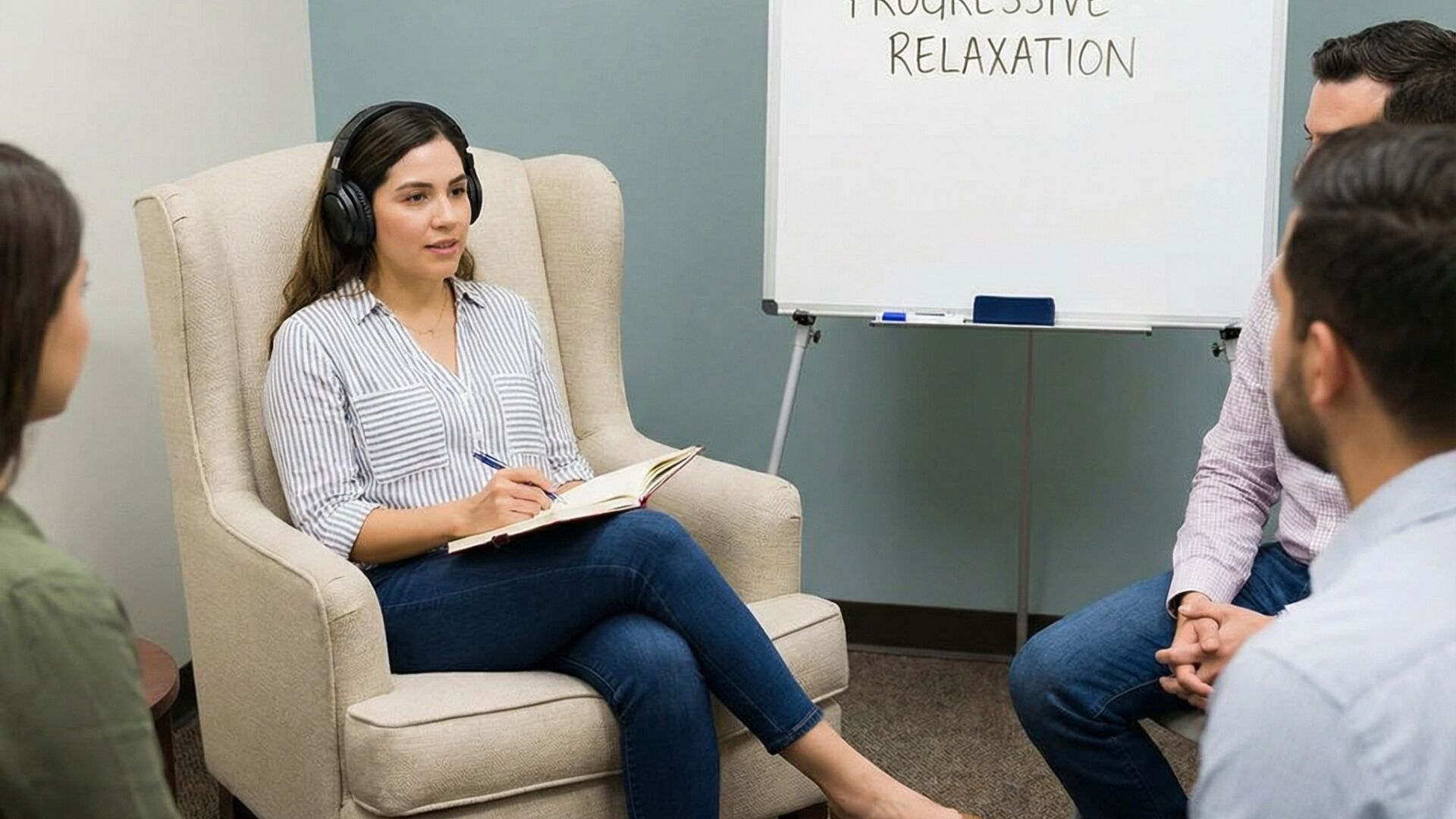

Stress is a common companion in our lives today. We often juggle professional and personal challenges, leading to overload and emotional pressure. At nikki.de, we want to introduce you to psychological strategies that can help you reduce stress and regain your inner balance. We will discuss effective approaches that not only promote stress management but also enhance your overall well-being. Let’s explore together how you can integrate more calmness into your daily life through simple techniques.
One of the most effective methods for stress reduction is mindfulness. Mindfulness means living in the here and now and consciously perceiving your thoughts and feelings without judgment. You can incorporate mindfulness into your daily life by practicing regular mindfulness exercises, such as breathing meditation or body scans. These practices help calm your mind and alleviate stress symptoms. Start with just five minutes a day and increase the duration as you feel more comfortable. The positive effects will soon become noticeable.
Another important aspect is physical activity. Regular exercise is not only healthy but also a proven means of stress management. Whether it's yoga, running, or cycling – find an activity that you enjoy. Exercise releases endorphins, the so-called happiness hormones, which lift your mood and lower your stress levels. Set realistic goals and incorporate movement into your daily life. Perhaps you can go jogging with a friend or join a dance class. This way, exercising becomes twice as enjoyable.


The environment affects stress
Your social environment plays a central role in your stress management. Surround yourself with people who bring you joy and actively nurture your relationships. Friendships and family bonds can provide support and change your perspective on stressful situations. If you feel isolated, actively seek conversations with friends or find new social contacts, for example, through group activities or classes. It’s essential that you don’t stay alone with your problems, but seek support. Sometimes, a simple conversation can change your perspective.
An often-overlooked factor is the design of your living space. A tidy and pleasant home can help reduce stress. Take time to decorate your space to your liking and remove unwanted items. Small changes, such as adding plants or reducing noise sources, can have significant positive effects on your well-being. Think about how your space influences you and create an environment that promotes calm and relaxation.
Strategies for stress management
Setting boundaries in your work life can also be crucial. Learn to say ‘no’ when you feel overwhelmed. This applies not only to professional commitments but also in your personal life. Clear boundaries help protect your time and energy. Prioritize your tasks and focus on the essentials. Good time management not only reduces stress but also improves your productivity.
Additionally, it is beneficial to regularly incorporate relaxation phases into your daily routine. These can be short breaks during your work, in which you consciously breathe deeply or do some stretching exercises. Creative hobbies, such as painting or making music, also provide a great way to unwind from stress. Experiment with different techniques and find out what helps you the most to recharge your batteries.
Conclusion and outlook
In summary, there are numerous strategies to effectively reduce stress. Mindfulness, physical activity, social connections, and a harmonious environment are key elements for a more stress-free life. It is important that you find the methods that work for you and apply them regularly. Every person is different, and what works for one does not necessarily work for another.
Remember that stress management is a process. Be patient with yourself and allow for setbacks. The key is to keep going and continuously work on your inner balance. Let’s walk this path of growth together and find answers to the many challenges of life.