
Psychosocial Aspects of Resilience: A Guide

Resilience is the ability to cope with challenging life situations, to overcome them, and to emerge stronger. In this guide, we want to dive deep into the psychosocial aspects of resilience and help you understand how to develop your own resilience. At nikki.de, you will find not only fashion inspiration but also valuable tips for self-care and emotional health. Whether in the podcast or in our articles – we want you to feel understood and able to care for yourself. Let's explore together how resilience plays a role in your everyday life and how you can promote it deliberately.
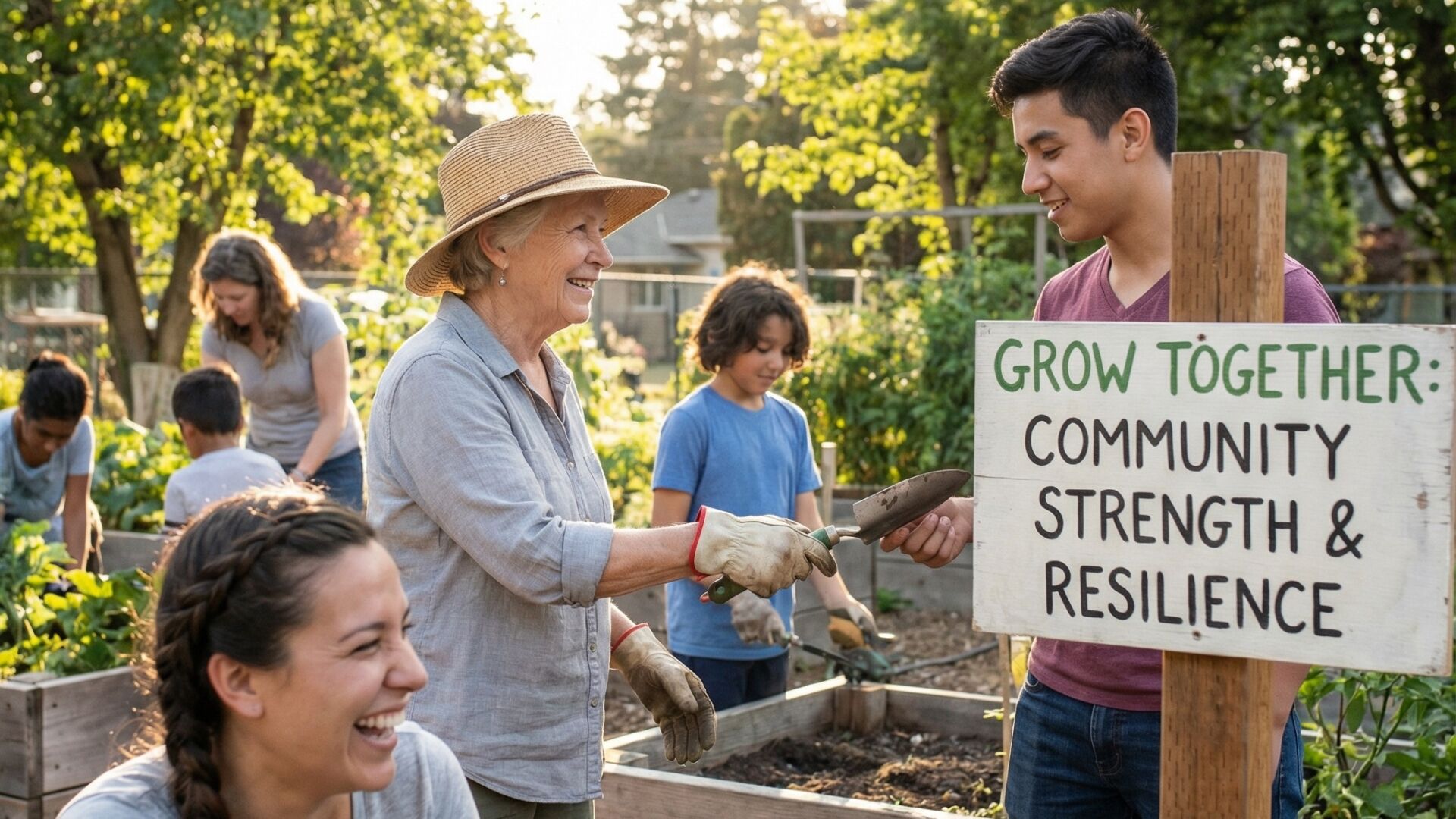
An essential component of resilience is the social environment. The support from friends, family, and community has a tremendous impact on your ability to manage stress. When you feel understood and supported by others, your chances of successfully overcoming challenges increase. Therefore, it is important to invest in relationships and be open to exchanging with others. Sometimes, simply listening or talking can help create a deeper connection and expand one’s psychological space.
Furthermore, self-awareness plays a crucial role. By becoming aware of your own strengths and weaknesses, you can work intentionally on your resilience. Reflecting on past challenges you have overcome is a good start. Connect with your emotions and analyze how you react to stress. Ask yourself what has helped you in difficult situations and what you might do differently. This not only fosters understanding of yourself but also enhances your ability to be even more resilient in the future.

Practical Tips for Promoting Resilience
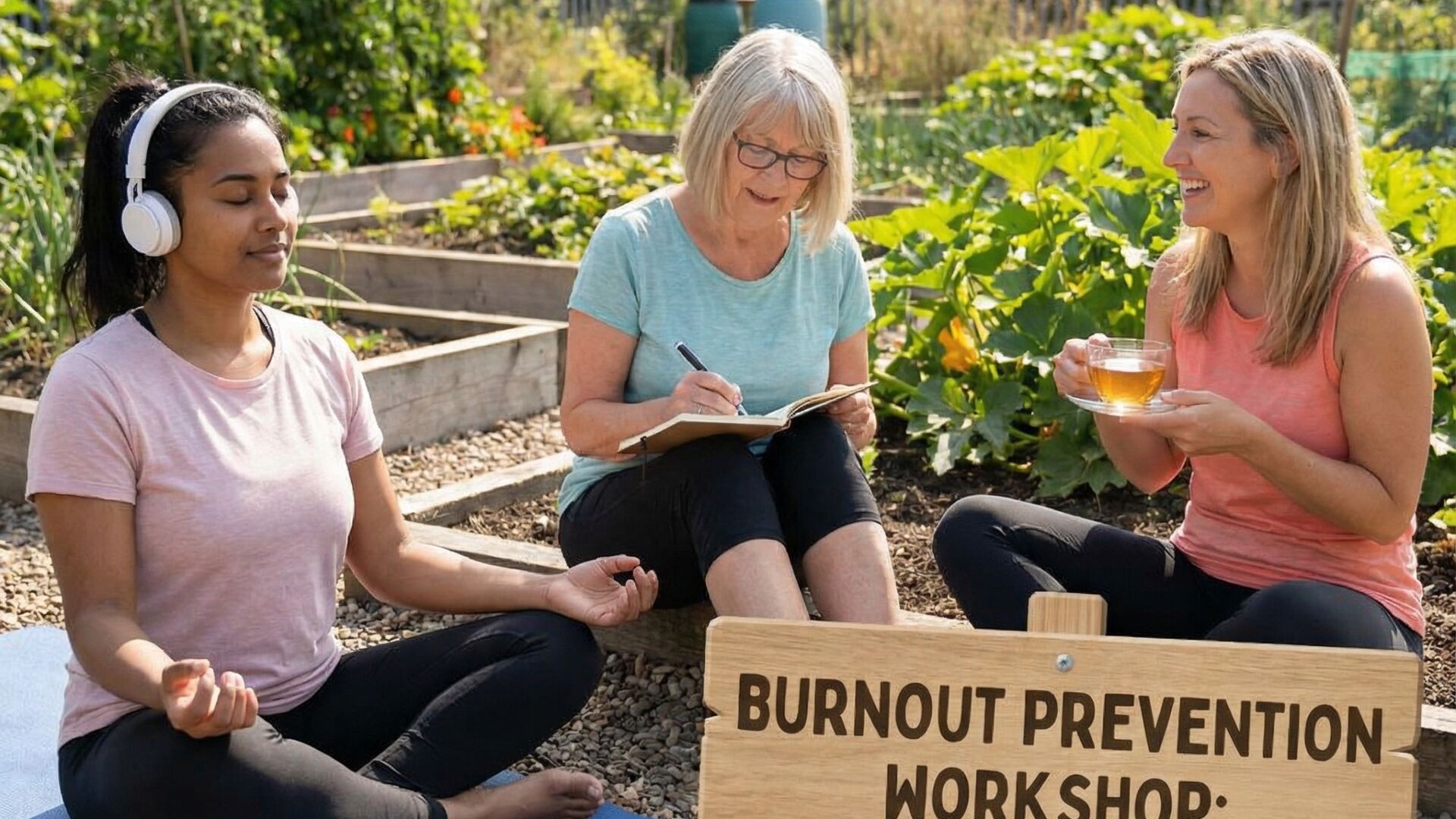
To further strengthen your resilience, there are some practical tips that you can integrate into your daily life. For example, regular exercise is good not just for the body but also for the mind. Physical activities release endorphins that can uplift your mood. Consider what form of movement brings you joy and plan it into your everyday life. Whether it’s jogging, yoga, or dancing – the main thing is that you feel comfortable with it and create space for this time just for yourself.
Another important aspect is stress management. Learn techniques for relaxation and mindfulness to find calm in stressful moments. Methods like meditation, breathing exercises, or keeping a journal can help you gain clarity and achieve emotional balance. Set daily or weekly goals to anchor these practices and integrate them regularly into your life. This not only sharpens your resilience but also enhances your overall quality of life.
The Role of Positive Relationships
Positive feedback from your environment is another key factor for resilience. Surround yourself with people who encourage and inspire you. Positive relationships foster a sense of belonging and security, which are crucial for coping with crises. Consider who you spend your time with and how these relationships influence you. It is also important to set boundaries and minimize toxic relationships in your life to make more room for positivity.
Moreover, sharing experiences with your friends or in a group that is going through similar challenges can offer strong comfort and boost resilience. Many find safety and security within the community, whether through networks or like-minded individuals. Think about how you can actively engage in such a community, perhaps through volunteer work or group activities that interest you. Not only will this help you develop resilience, but it will also create new friendships and connections.
Conclusion and Outlook
In summary, resilience plays a crucial role in our lives. It helps us cope with challenges and emerge stronger from them. By investing in your social relationships, reflecting on your experiences, and acquiring practical techniques for stress management, you can gradually build and strengthen your resilience. It is a process that requires time, but every step is worth it.
The most important insight is that resilience is not innate but can be learned. You just have to be willing to work on yourself and be open to the support of others. Ultimately, the path to resilience is a journey of self-discovery. Utilize the resources around you and be patient with yourself.
Start today by taking small steps to improve your resilience. Whether through physical activity, keeping a journal, or making new social connections – every positive change counts. You are not alone on this journey, and nikki.de will accompany you with advice, tips, and personal inspiration.