
Beauty and History: How Past Eras Shape Our Today's Beauty Ideals
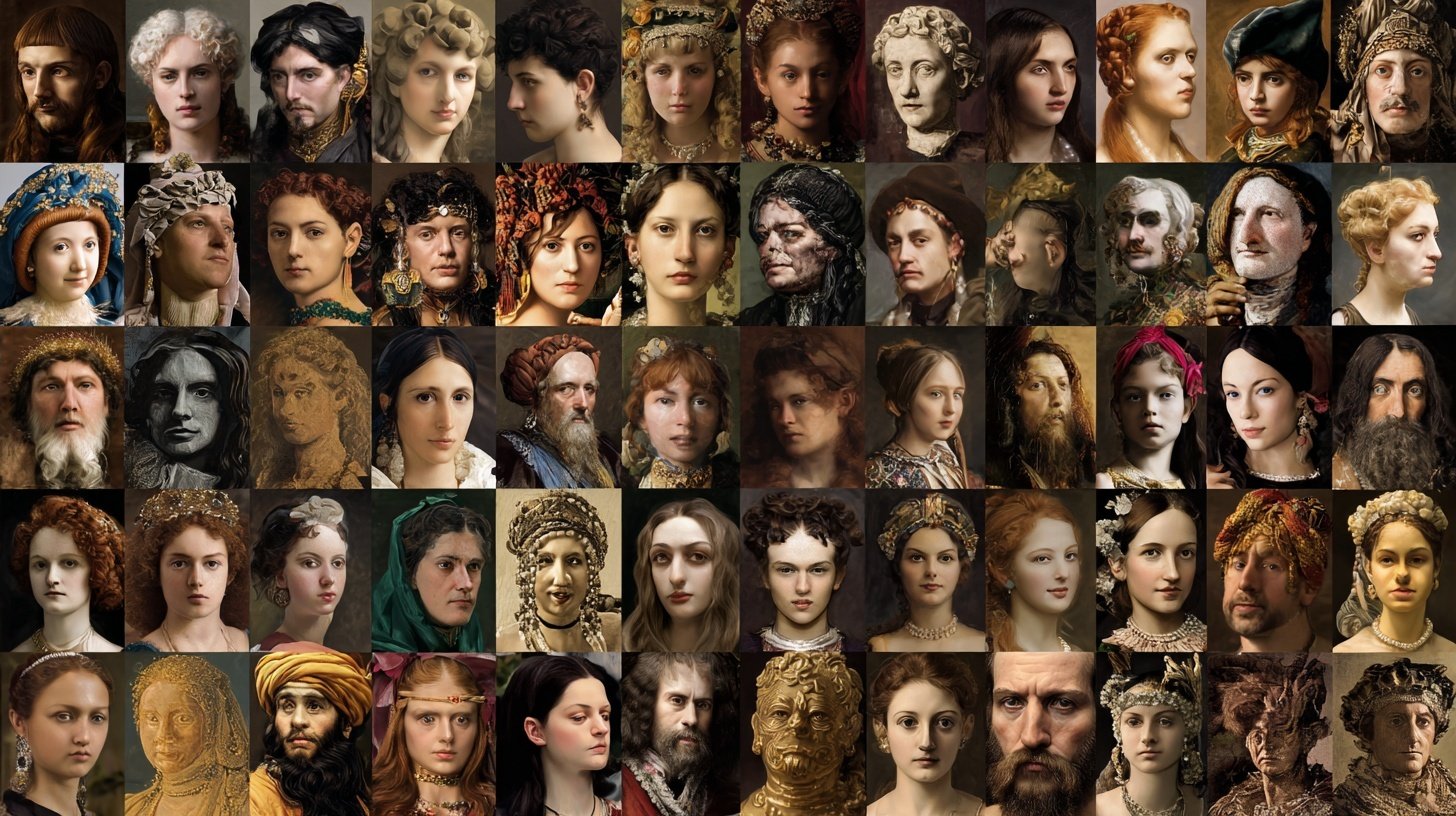

In our modern world, the understanding of beauty is not just a fleeting trend but a deeply rooted cultural construct shaped over centuries. Expressions of beauty vary greatly and reflect the values, ideals, and lifestyle of different eras. Let us embark on a journey through the history of beauty to understand how the ideals of the past influence our perception today.
Even in antiquity, beauty was a central concept in society. The ancient Greeks revered the ideals of the body and proportions that they captured in their sculptures. For example, the statue of Venus de Milo was regarded as the embodiment of beauty. Her symmetrical features and gentle curves have shaped the notion of beauty in Western culture. These ideals are reflected not only in art but also in philosophy, where beauty was closely associated with the idea of goodness and truth.

Renaissance and Rebirth
The Renaissance ushered in a new era where physicality and human experience were celebrated. Artists like Leonardo da Vinci and Michelangelo created works that depicted the human body in all its splendor. During this time, the image of perfect beauty was enhanced by the revival of ancient ideals and a turn towards the natural. The use of light and shadow in painting created a new dimension of depth and sensitivity.
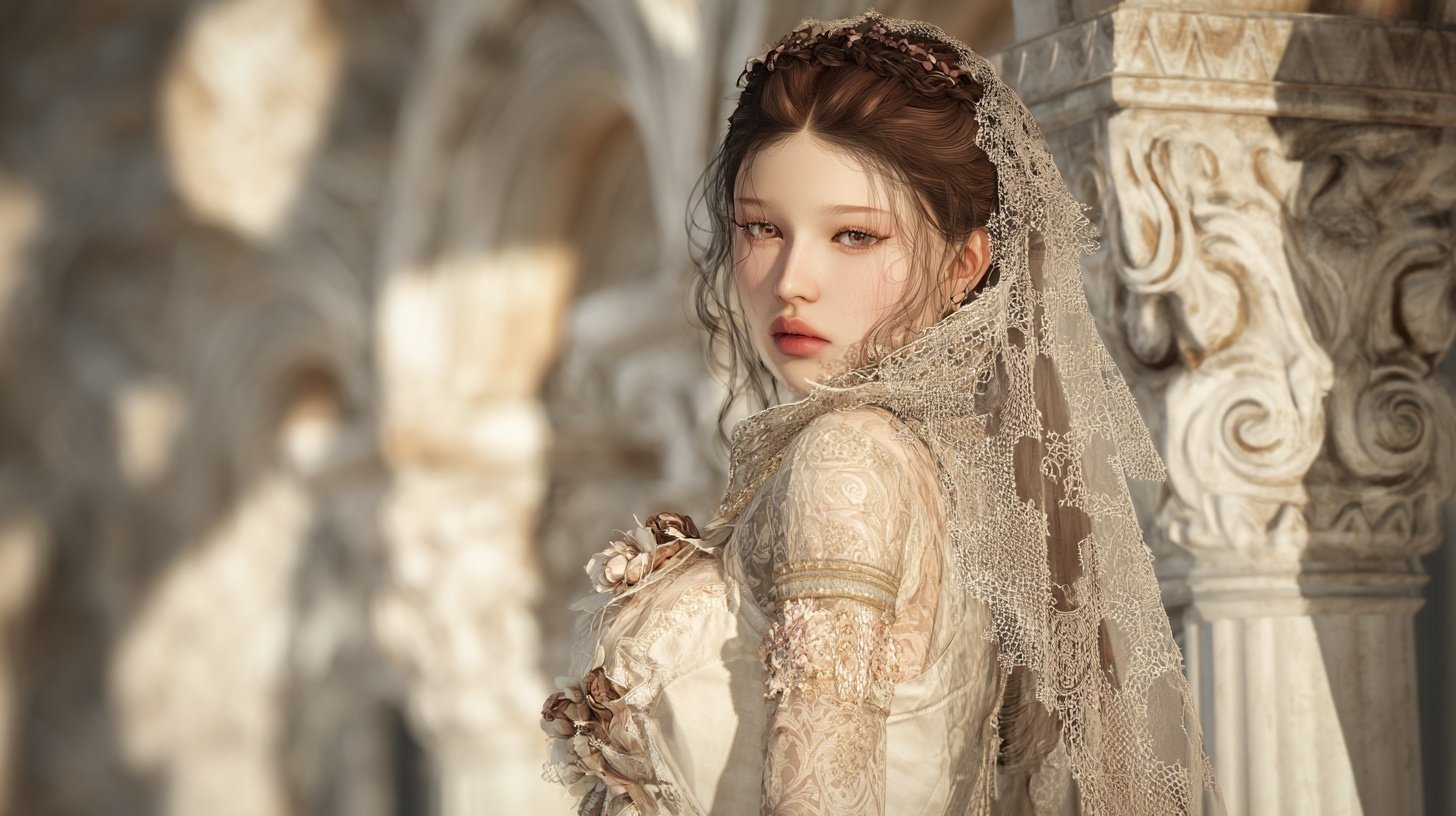
Additionally, women began to take a more important role in the discussion about beauty. Instead of being seen only as companions to men, they were regarded as active creators. Beauty standards from this time, such as allure through a clear complexion and full curves, are still present today, whether in fashion magazines or social media.
The Influence of the 19th Century
In the 19th century, society underwent a multitude of changes. With the rise of industrialization and mass production, beauty also took on a different scale. During this time, new beauty ideals emerged, often reflecting idealized representations of women in art and literature.
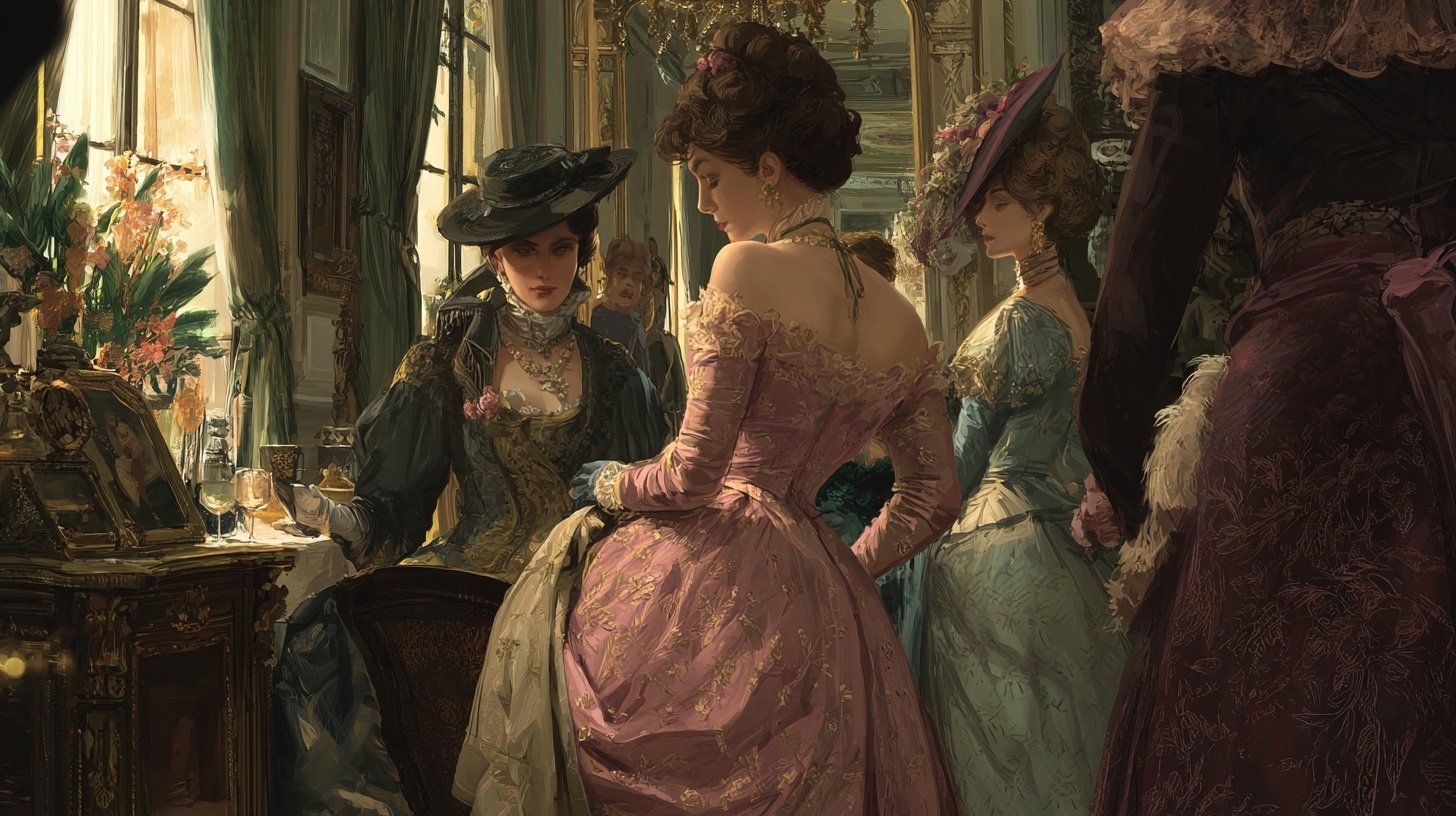
Slim, delicate women with an hourglass figure became the model for the most desirable woman. The invention of the sewing machine and other technologies made it easier to design clothing that emphasized these forms. At the same time, the medical practices of this era, which were often harmful and unethical to beauty standards, such as wearing corsets, also testify to this change.
Modern Beauty Ideals
In today's time, we are experiencing another shift in beauty ideals, heavily influenced by social media and influencers. Body positivity, diversity, and individuality are trends that are coming to the forefront. Different ethnicities, body shapes, and gender identities have entered into the discussion of beauty. There is a growing movement that unites behind the slogan 'Beauty is Diverse.'
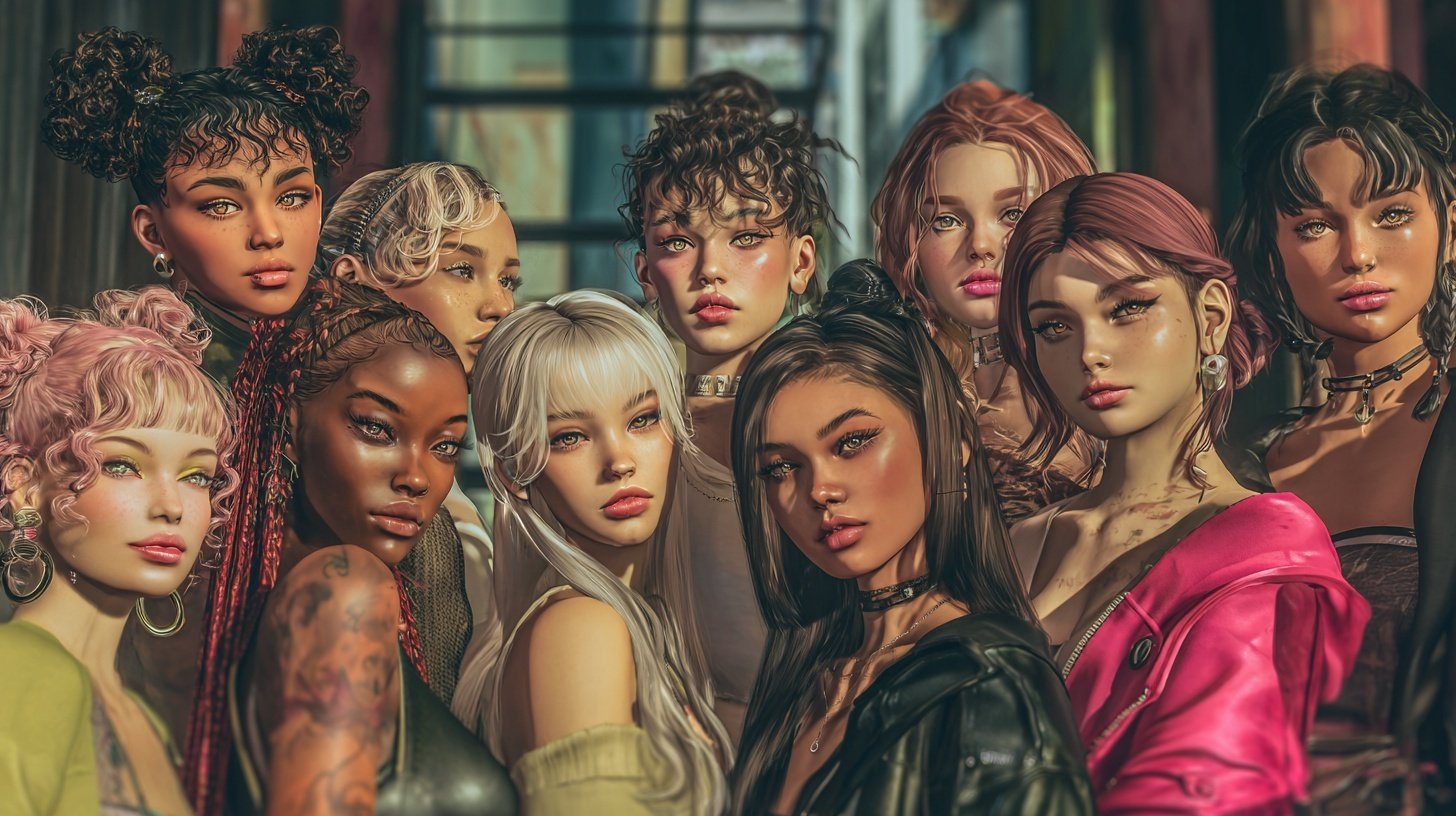
Today, beauty ideals are often distorted by filters and digital editing, leading to a paradoxical state. On one hand, authenticity and individuality are celebrated, while on the other hand, many people continue to face unrealistic standards in the media. The question that arises now is: How will these new standards shape the beauty of the future?
In conclusion, it can be said that the journey of beauty through the centuries has been shaped by profound cultural changes. The ideals that once prevailed continue to influence our current understanding of what is beautiful. The challenge lies in accepting and honoring beauty in its diverse forms while keeping the legacy of the past in mind.