
Smart Kitchens: Changing Food Culture in the Digital Age
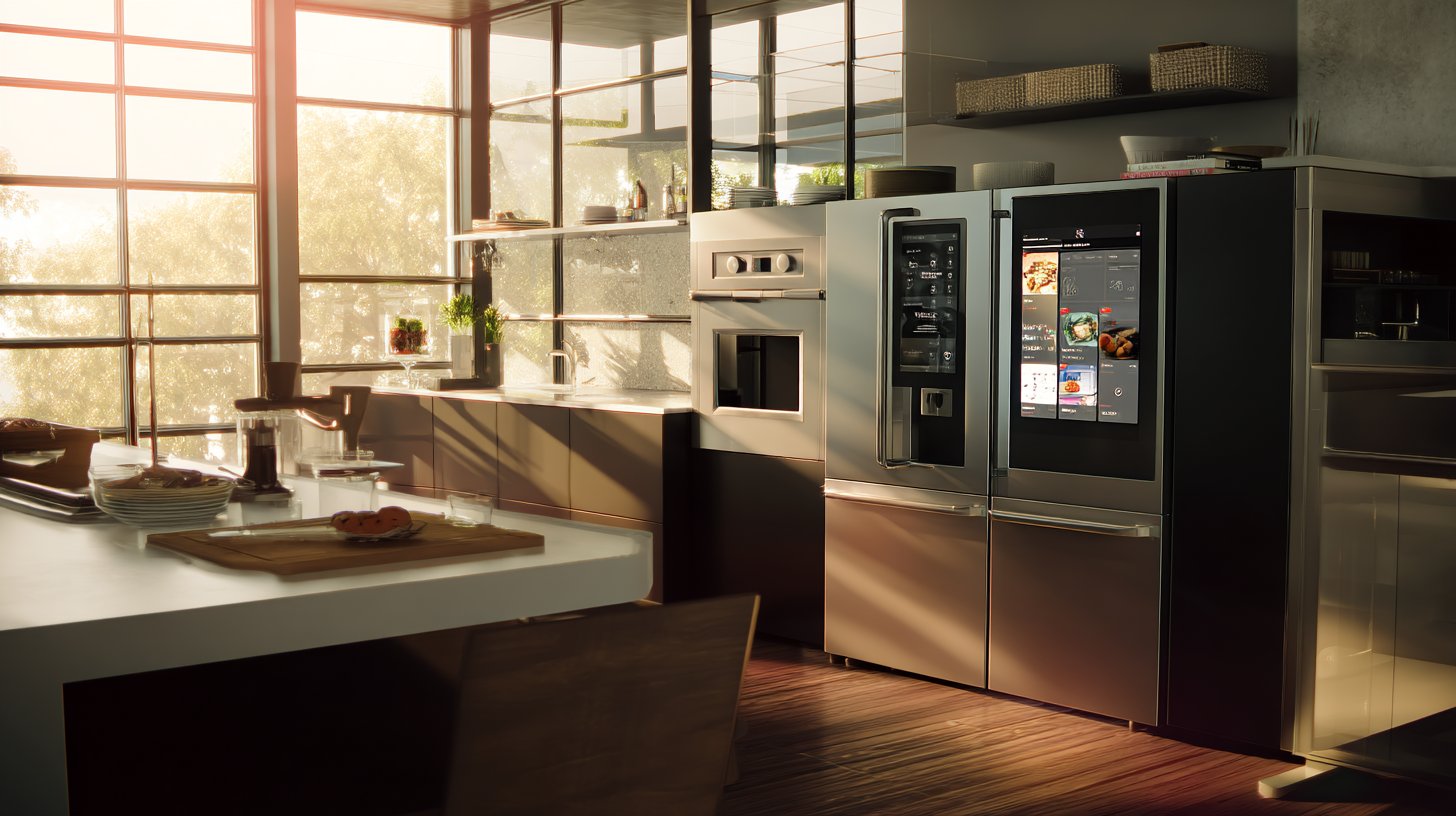

In a world that is becoming increasingly technology-oriented, our food culture is changing as well. Smart kitchens are no longer just a dream of the future, but a reality that is revolutionizing cooking and eating. Let's explore together how this technology influences our daily lives and our eating habits.
When one thinks of a smart kitchen, images of futuristic devices and applications immediately come to mind. But what is really behind this trend? Smart kitchens use modern technologies to optimize the cooking process and make cooking more enjoyable. Devices can be controlled via smartphone, provide recipes, or even assist in meal planning.


Smart Kitchens in Detail
An essential component of the smart kitchen is the connected kitchen appliance. Whether it's a refrigerator, stove, or microwave – all can be controlled via an app. Imagine coming home and finding that your stove has already been preheated to the perfect temperature because you selected the dish you want to cook in an app.
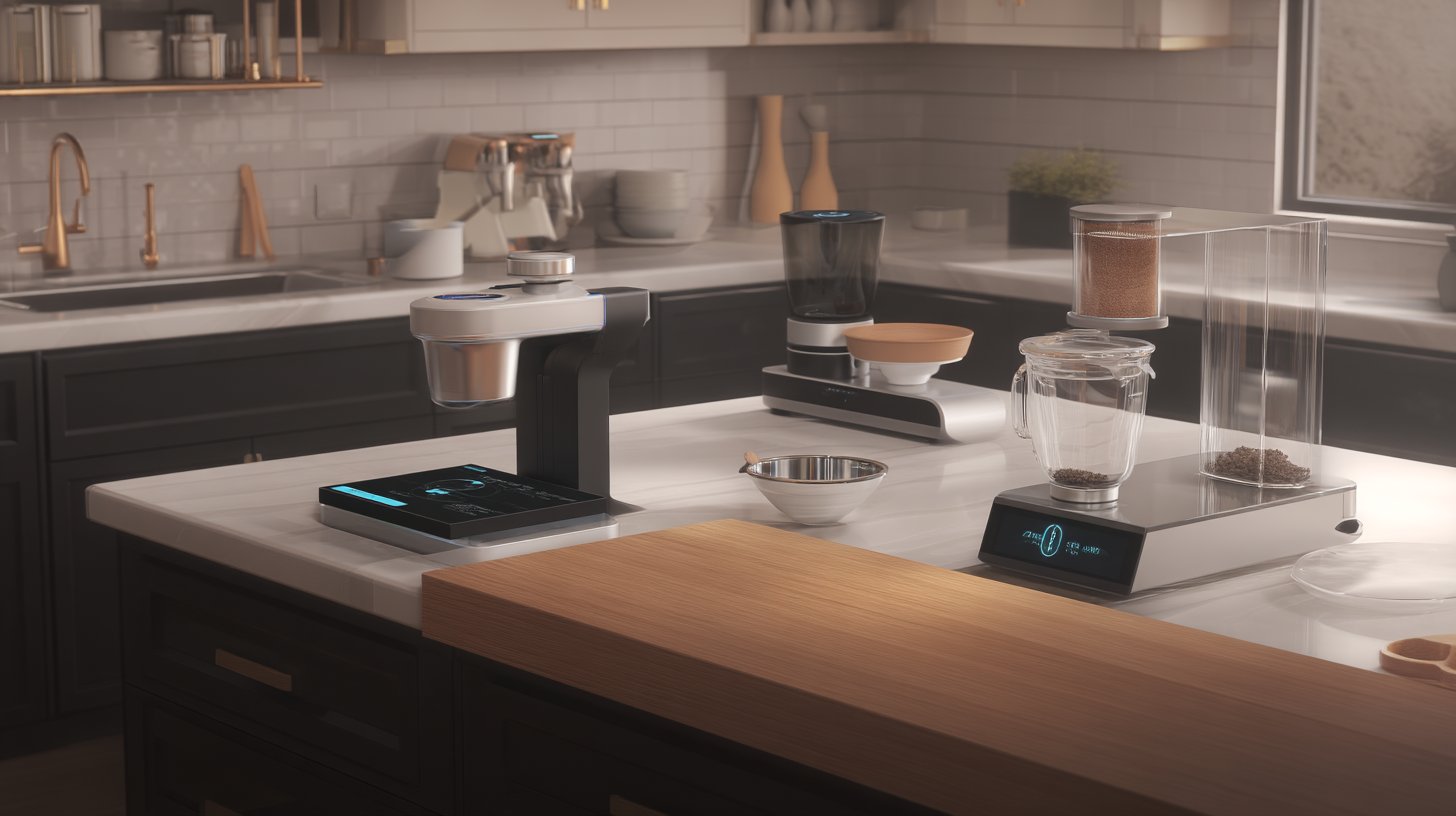
With a smart refrigerator, you can check the contents at any time. This means you no longer have to worry about whether you have enough ingredients for dinner, as the app can even help with grocery shopping by creating a shopping list.
The interaction between humans and technology is revolutionized by these devices. Instead of standing for hours at the stove reading recipes, users can now select their favorite recipes using voice commands. Cooking instructions are available in real-time and facilitate the preparation of complex dishes.
Change in Food Culture
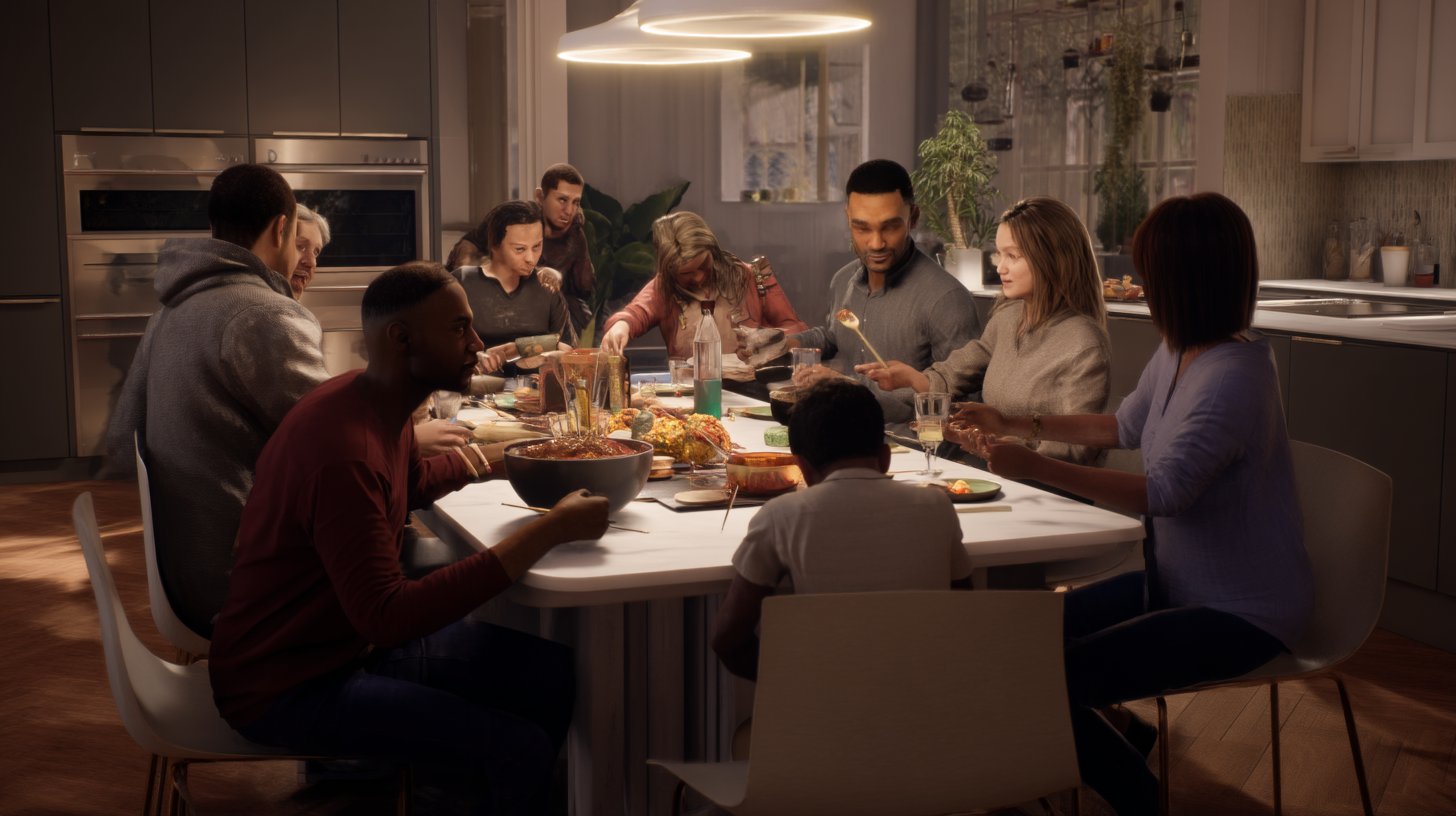
Food culture is changing with every technological advancement. Where shared cooking and eating used to be at the forefront, we now see a shift toward faster, more efficient preparation. However, this does not mean that shared meals have lost their significance. Quite the contrary: smart kitchens make it easier to spend more time with loved ones, as preparation takes less time.
The networking of kitchens not only assists in cooking but also supports healthy eating. Many apps offer special programs tailored to the user’s diet. This allows you to sustainably change your eating habits and live healthily. Who would have thought that the refrigerator could ultimately become a coach for healthy eating?
Challenges and Concerns
Of course, this evolution also brings challenges. Security is a major issue. The more interconnected the devices are, the more susceptible they are to cyberattacks. In addition, dependence on technology can lead to the loss of basic cooking skills. It is crucial to find a balance between utilizing technology and preserving traditional cooking methods.

Another point is the question of privacy. How secure is the data you share about your kitchen devices? Avoiding personal information in app usage should be a must to protect your digital life.
Moreover, there is a risk that older generations or people uninterested in cooking will lose access to food culture. It is important to design these technologies so that they are accessible and useful to everyone.
In summary, it can be said that smart kitchens represent an exciting development in the world of cooking. They offer countless advantages and open new possibilities for our food culture. But, like any technology, it is important to be aware of the challenges and to use new capabilities responsibly. The right balance between tradition and innovation is the key to a healthy, diverse, and enjoyable food culture.