
How Regional Customs Influence Your Living Experience
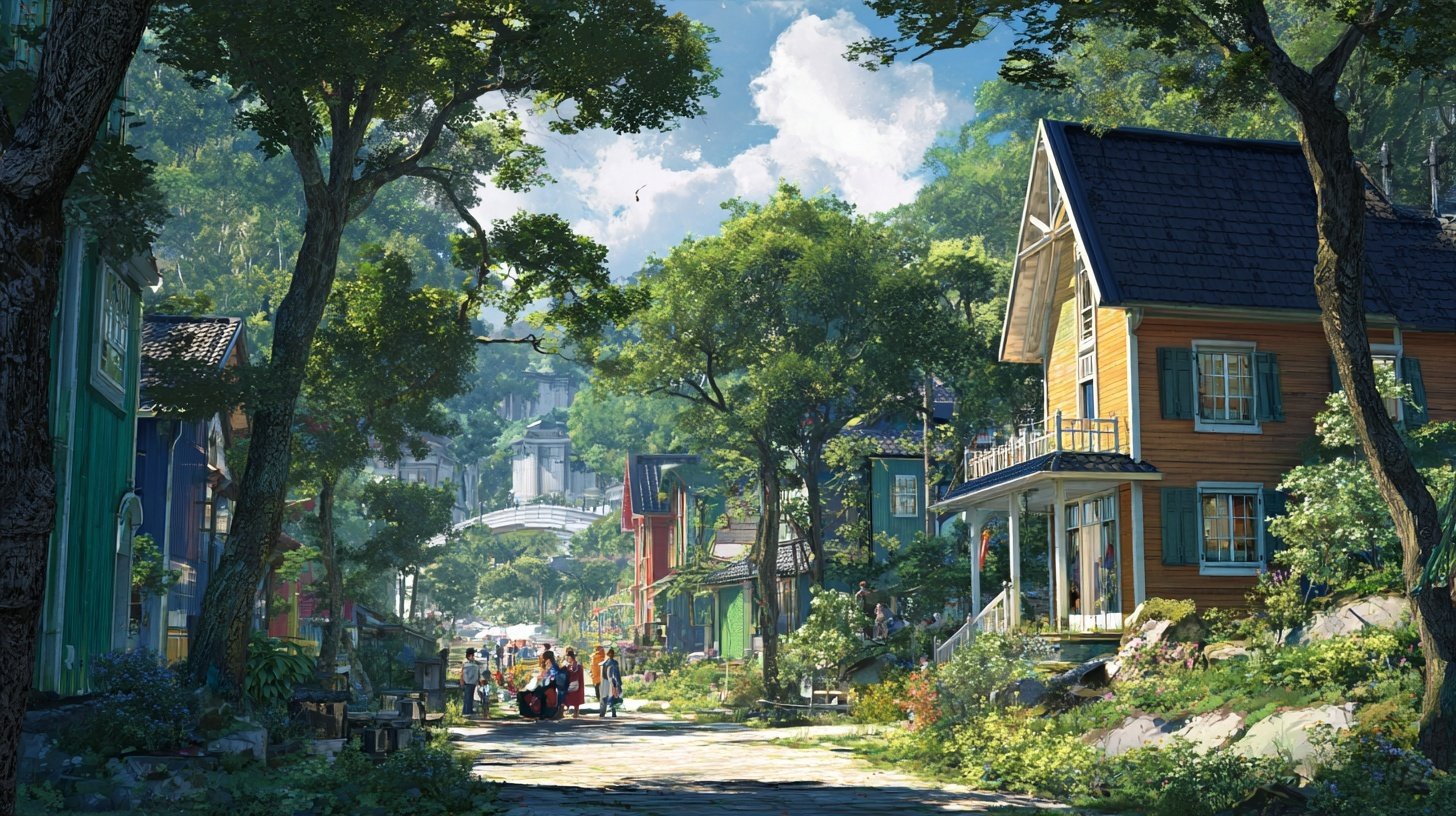

Living is more than just a roof over your head. It is an expression of culture, traditions, and the way of life of a region. When we engage with the topic of interior design, we cannot deny that regional customs have a significant influence on how we furnish and design our homes.
In every country, in every region, there are specific characteristics that make living spaces unique. These features are often deeply rooted in the history and traditions of the respective community. Whether it’s building styles, colors, or materials, all these decisions reflect cultural values.
The Importance of Traditions
When we talk about the influence of regional traditions on interior design, we must first recognize the functions that these customs serve. They provide orientation, strengthen the sense of community, and promote the identity of a region.
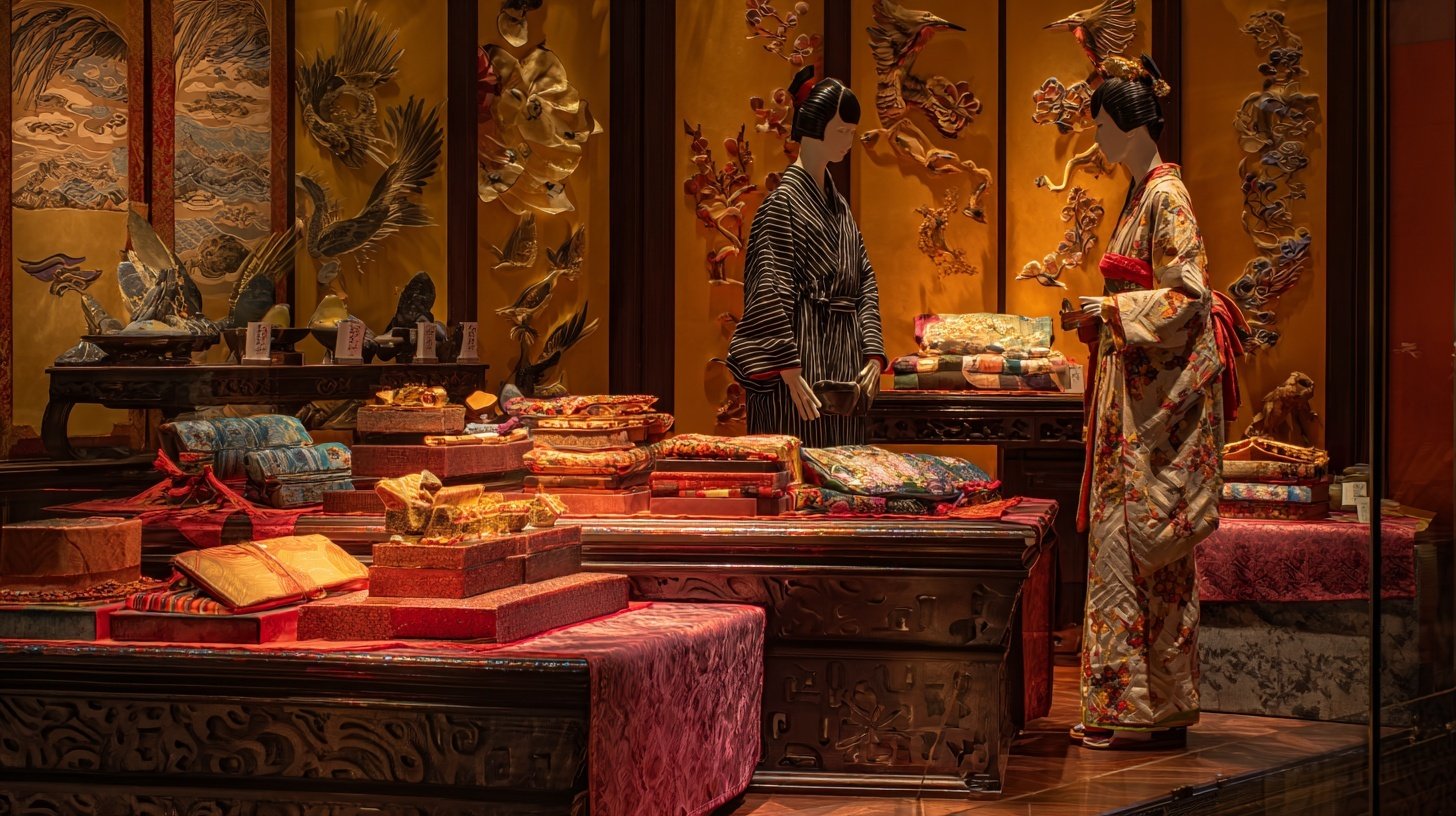
One example is the typical thatched houses in northern Germany or the half-timbered houses in the Black Forest. These building styles are not only practical; they tell stories and remind us of past times. You can feel the connection to origin and nature.
Another example is the colors chosen in various regions of Germany. In Bavaria, light, warm tones dominate, conveying a sense of coziness, while in the northern coastal region, cool, neutral colors are often used, reflecting the fresh sea air.
Traditions also influence the materials used. Wood, stone, and clay hold special significance in certain regions and are often traditionally used in construction. These materials harmoniously blend into the landscape.
The Influence of Festivals and Customs
Regional festivals and customs shape not only the culture but also directly influence our interior design. During celebrations such as Christmas or Thanksgiving, we often see specific decorative styles tied to the region's traditions. These occasions offer the opportunity to play with colors, materials, and shapes and reflect the values of the community.
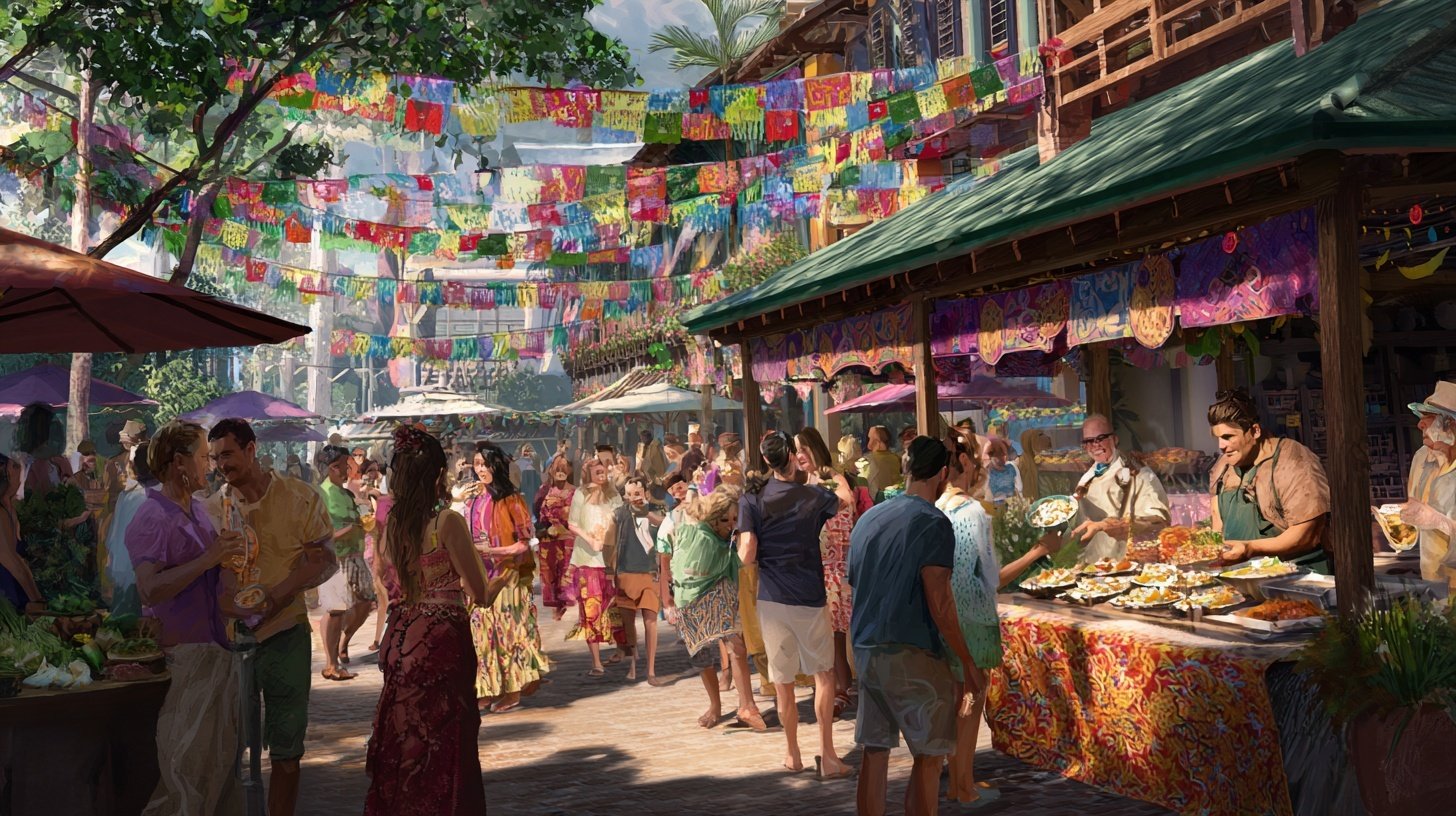
In many regions of Germany, there are specific symbols and ornaments that are used during the festive season. Over the years, these customs have developed and vary by region. In some parts of Germany, it may be customary to decorate windows with specific wreaths or lights, adding warmth to the space.
These seasonal adaptations can also find their place in the everyday design of living spaces. Many people develop a special range of decorative elements throughout the year that keep the space lively and align it with the region’s traditions.
Innovations Through New Influences
Of course, interior design is also subject to constant change, not least due to modern influences entering our regions. The mix of tradition and contemporary design often creates creative impulses. This leads to new, exciting design possibilities.

Today, many homeowners and designers are working to combine old traditions with modern elements. For example, historic buildings are lovingly renovated and furnished with minimalist furniture to preserve the character of the space while allowing modern living styles to take hold.
It is important to be aware of the influence of regionality while designing your own home. It is about finding a balance between tradition and innovation and creating a space that is not only contemporary but also reflects the roots of our culture.
In conclusion, it can be said that interior design is more than just a practical matter. It is a creative process that is deeply intertwined with the traditions and customs of our region and helps us shape and express our identity. Let your spaces be inspired by the traditions of your homeland and create a place that is not only beautiful but also meaningful.
Whether you are furnishing a new home or refreshing your current living environment, remember to incorporate the traditions and customs of your region into your decisions. This will not only give your living space a personal touch but also a deep cultural connection.