
How to turn your garden into an eco-friendly paradise
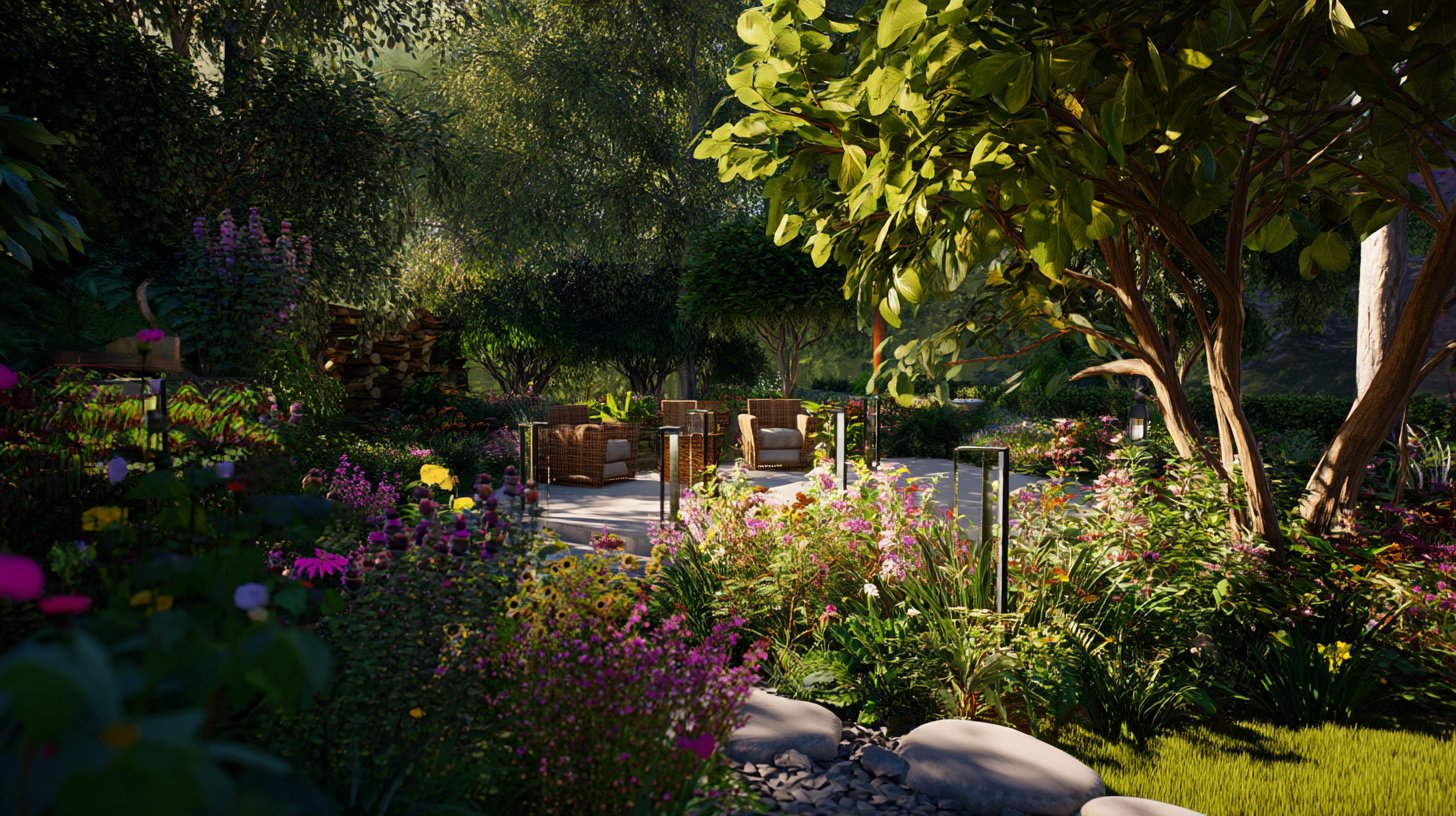

Do you want to transform your garden into a green oasis that not only looks beautiful but also protects the environment? Sustainable outdoor design is the key! Let's go through tips and tricks together that will help you design your garden in an eco-friendly way. We will highlight important aspects that will help you turn your outdoor area into a true paradise for plants, animals, and yourself.
Sustainability starts with choosing the right plants. Make sure to choose native plants that are well adapted to your climate. These plants require less water and care, are more resistant to pests, and provide habitat for local wildlife. Additionally, by growing herbs and edible plants, you can benefit in two ways: beautify your garden while getting fresh ingredients for your kitchen!


Eco-friendly materials
When designing your garden, you should also pay attention to the materials you use. Opt for sustainable and natural building materials such as wood from responsible forestry, recycled materials, or stone. These options are not only environmentally friendly but also ensure a harmonious appearance. Moreover, you can upcycle old materials, such as transforming old furniture or pallets into new garden furniture!
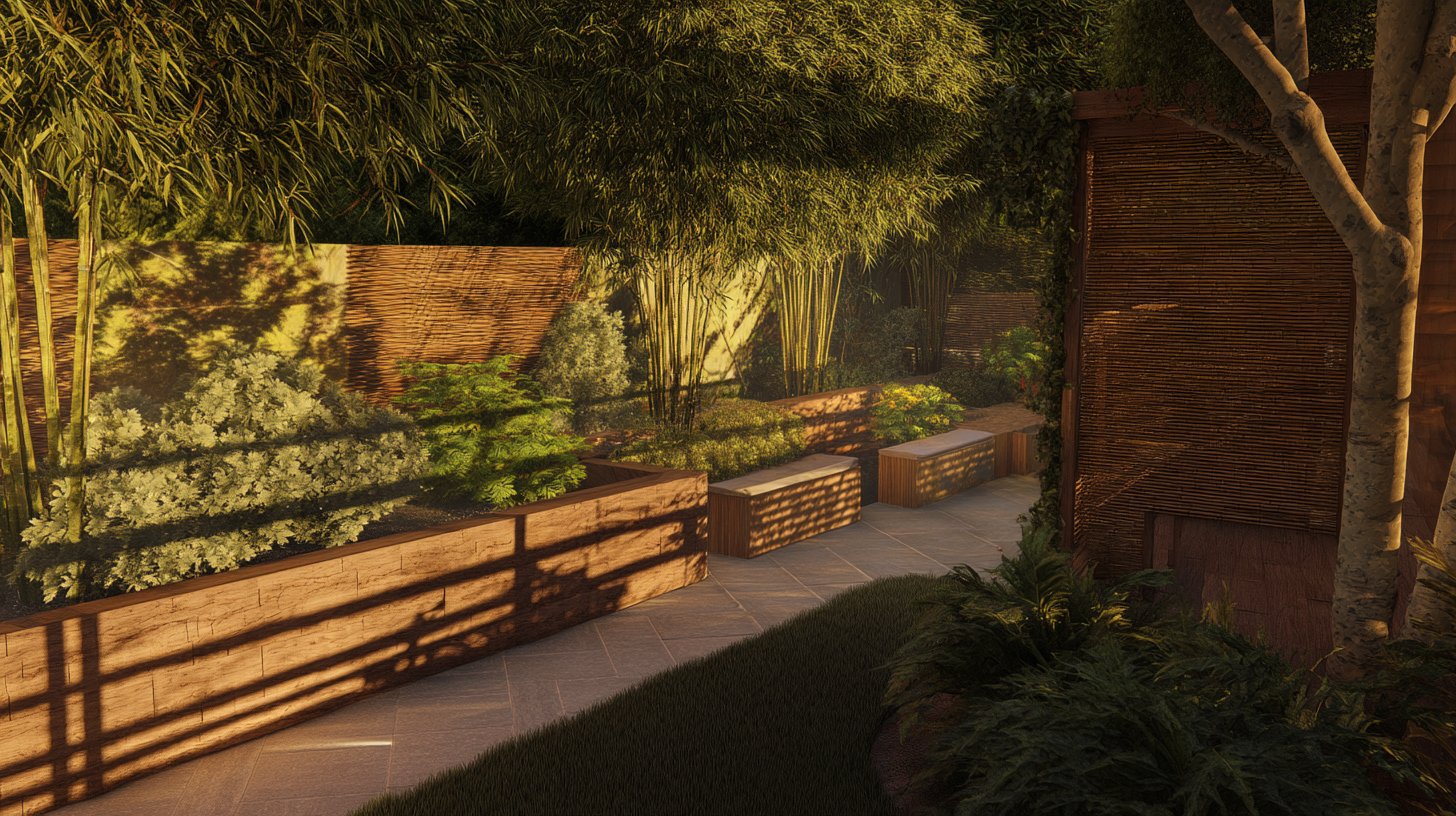
Another important aspect of sustainable gardening is promoting biodiversity. Create habitats for insects, birds, and other animals by hanging nesting boxes and setting up a small pond. Use perennials and flowers that bloom all year round to attract and support pollinators such as bees and butterflies. A diverse garden is not only more beautiful but also contributes to the health of the entire ecosystem.
Efficient energy use
Also consider the design of your garden paths. Avoid asphalted areas that drain rainwater and choose permeable materials that allow rainwater to seep into the ground. Gravel, stone, or wood can be rustic and eco-friendly alternatives that fit well with the natural look of your garden.
The right irrigation system
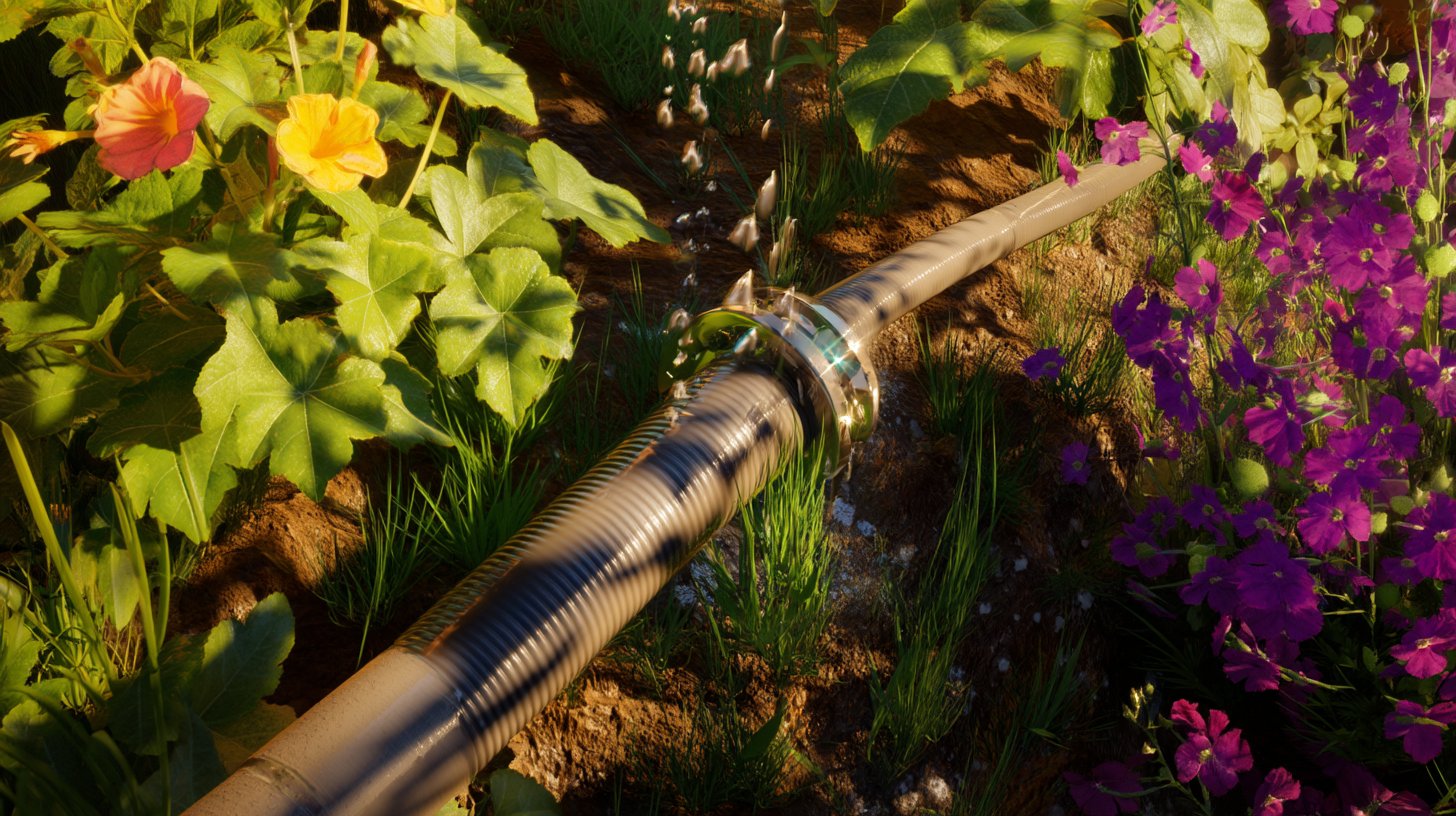
Imagine a small vegetable garden that you can water in the best natural way. Companion planting, like planting carrots alongside onions, promotes growth and minimizes disease pressure. This way, you can grow vegetables that are particularly fresh and flavorful!
Let nature inspire you and become part of the sustainable movement. Together, we can make our gardens and thus our world a little better!