
Tips for a Conscious Life in the Modern World


In today's fast-paced world, it can be a challenge to live a conscious life. Frauenzeit.de is dedicated to these topics and offers you valuable insights and advice. Living consciously means using your own time and energy wisely, focusing on what is essential, and understanding your own inner world. In this psychology guide, we explore how you can integrate mindfulness into your daily life and what strategies can help you manage your emotions. From combating anxiety to boosting self-esteem – let’s find out together how you can lead a more fulfilling life.
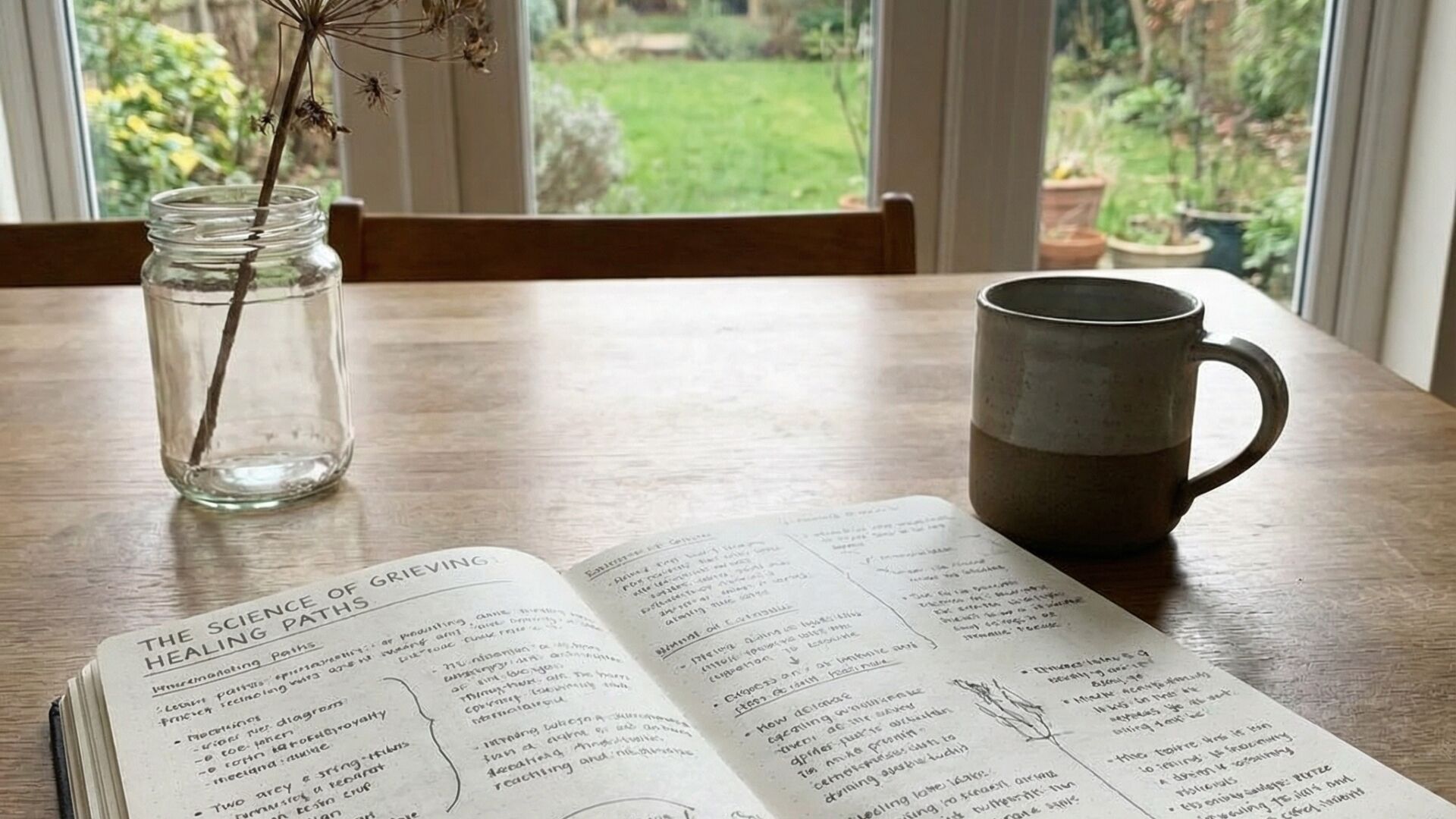
Mindfulness is a central concept of conscious living. It requires you to live in the moment and observe your thoughts and feelings without judgment. It can be as simple as a short meditation or focusing on your breath. By practicing mindfulness, you can learn to understand and possibly change your automatic reaction to stressful situations. One example is keeping a mindfulness journal, where you note your thoughts and feelings each day. This not only gives you clarity about your emotions but also about the patterns that influence your actions.
Another important aspect of conscious living is defining healthy boundaries. Often, we take on more responsibility than we can actually handle. It’s important to be able to say 'no' when something does not fit your well-being or goals. Set clear boundaries, whether in work, friendships, or family. Communicate what works for you and what doesn't. This helps you conserve energy and improve your relationships. It may be difficult at first, but over time you will find that healthy boundaries are essential building blocks for a conscious life.

The Role of Emotions
Emotions are an essential part of our lives and influence our decisions and relationships. A conscious approach to emotions means not suppressing them, but feeling and accepting them. Understanding your own emotional reactions can help you live more consciously. Try to observe your emotions without immediately evaluating them. Ask yourself why you feel this way and what this emotion wants to tell you. By actively working on your emotional understanding, you create a solid foundation for positive relationships with yourself and others.
In addition to mindfulness, it is also helpful to explore practices that help you regulate your emotions. This can include yoga, breathing exercises, or even learning relaxation techniques. These approaches support you in reducing stress while promoting balanced emotional well-being. If you are struggling with anxiety or stress, short PMR exercises (Progressive Muscle Relaxation) could be helpful. These reduced tension levels can help you slow down in stressful moments.
Remember that it is okay to seek help from outside. A therapist or psychologist can provide you with valuable tools to improve your emotional well-being. Talking about your feelings and experiences in a safe space can be tremendously healing and offer you new perspectives. The main goal is to actively engage with your feelings and not let them dictate your life's path.
Practical Tips for Everyday Life
Here are some practical tips that can help you integrate mindfulness and emotional intelligence into your daily life. Start your day with a short meditation or a gratitude exercise to set a positive tone. Write down what you are grateful for. This not only promotes a positive mindset but also helps you appreciate and consciously notice the little things in life.
Another helpful tip is to incorporate regular breaks into your day. Whether at work or while studying – short breaks help clear the mind. Use this time to take a few deep breaths or go for a short walk. Such breaks support your concentration and allow you to tackle tasks with a fresher perspective.