
Tips for Healthy Conflict Resolution in Friendships


Friendships enrich our lives in countless ways, but they are not always free of conflicts. In moments when misunderstandings or differences arise, it can be difficult to make the right decisions. At frauenzeit.de, your online magazine for women, we dive deep into psychology and offer you useful tips to constructively manage conflicts in friendships. In this article, you will learn how to use emotional intelligence to build and maintain healthy relationships. We explore the mechanisms of human behavior and motivation and help you better understand your emotions. Discover practical strategies that will help you resolve conflicts and strengthen relationships.
One of the first steps in conflict resolution in friendships is to actively listen. Misunderstandings often arise because we do not really hear what our friend is saying. Instead, we tend to be trapped in our own thoughts and prepare for our response instead of letting the other person finish speaking. So, if you find yourself in a conflict situation, take a moment to really listen. This means paying attention to the words but also to body language. By showing that you are genuinely interested, you can avoid misunderstandings early on and create a basis for an open discussion.
Also reflect on your own emotions. Often, we are unaware of the feelings we bring into conflict situations. Do I perhaps feel attacked, insecure, or hurt? When you are clear about your own emotions, you can manage them better. Consider writing in a journal to organize your thoughts. This can help you look at things from a different perspective and analyze the situation more soberly before seeking a conversation.

Expressing Appreciation
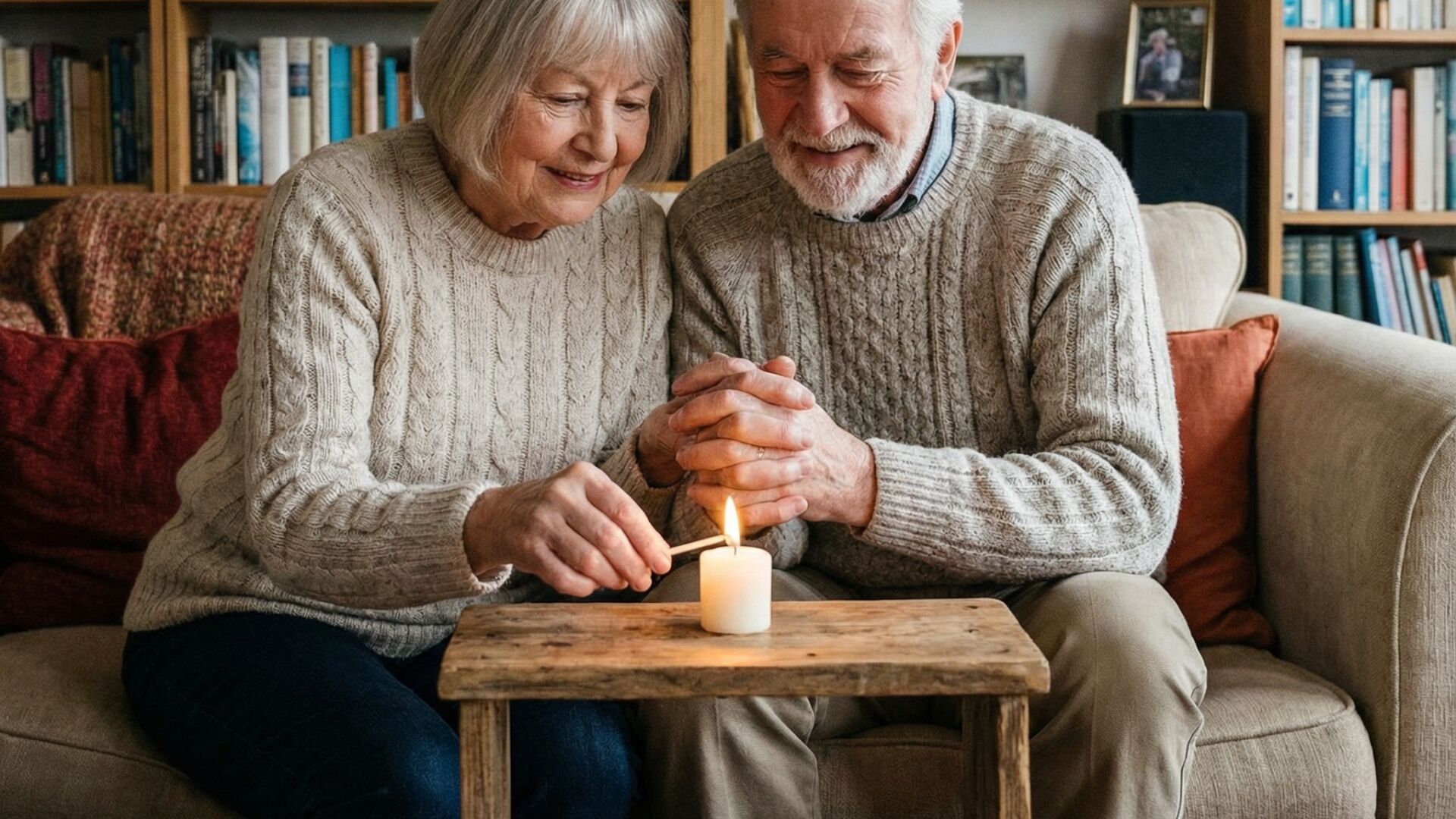
Another important aspect is appreciation. If you feel that your friend may be hurt, it helps to address this and express your recognition for the relationship. Show that your friendship matters to you, not just in good times, but especially in difficult moments. A simple "I greatly value our friendship and want us to talk openly about what concerns us" can work wonders to break down walls and promote a constructive discussion.
In conflicts, it can also be helpful to set clear boundaries. This means you need to communicate both your own boundaries and respect what your friend considers acceptable for themselves. Boundaries are not only a form of self-care but also a sign of respect for the other person. Ask yourself: What boundaries are important to me, and which can I possibly adjust to protect our friendship? By respecting and communicating these boundaries, you foster a healthy dynamic in the relationship.
Solving Problems Together
An effective method for conflict resolution is to tackle problems together. Instead of insisting on your own viewpoint, you could try to create teamwork. Consider together how you can improve the situation. It can be helpful to choose a specific place and time for your discussion to create a calm and uninterrupted atmosphere. This reduces pressure and increases the likelihood of finding a positive solution. Remember, it is not about winning, but about finding a compromise.
Additionally, humor can help ease tense situations. If the relationship allows, perhaps bring in a joke or a humorous remark to lighten the mood. Humor can help you understand the other person's perspective while making your own position seem less rigid and more accommodating. However, be careful that the humor does not come at the expense of the other person, as this could create more problems than it solves.
Also pay attention to how you formulate your messages. The way you speak can make the difference between a constructive dialogue and a passionate argument. Formulate your concerns in the first person, saying "I feel..." instead of "You always...". This subtle change in language can take the defensiveness away from the other person and lead to more empathy and understanding. It lets the other person know that you are expressing your feelings without directly attacking them.
Growth Through Conflicts
In conclusion, it is important to recognize that conflicts in friendships are not necessarily negative. They provide an opportunity for growth. When you overcome a challenge, you not only strengthen the bond between you and your friend but also learn more about yourself. View conflicts as opportunities for personal development and negotiate them with the goal of deepening relationships.
Applying these tips can help you handle conflicts in your friendships constructively and effectively. Remember that it is normal to have differences, but it is up to you how you handle them. Approach challenges openly and respectfully to get the most out of each friendship and maintain them in the long run. Engage in the process and trust that you can form a stronger, more stable connection through obstacles.