
Why Your Apartment Reflects Cultural Symbols
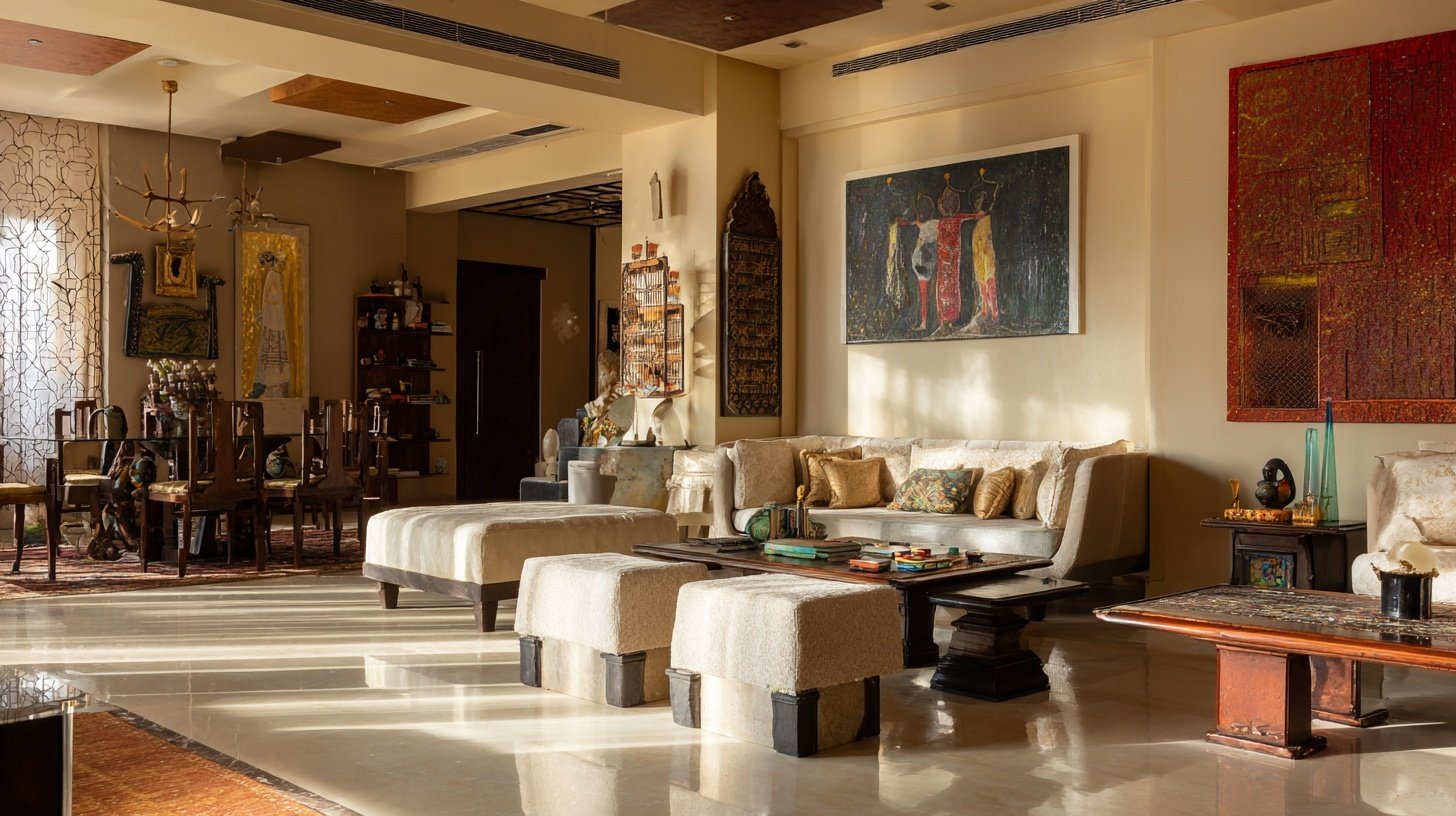

The design of living spaces is not only a matter of personal taste; it is also deeply rooted in our cultural background. In every room we enter, there are meanings, symbols, and archetypes that influence us. Let's explore together how cultural influences shape our living spaces.
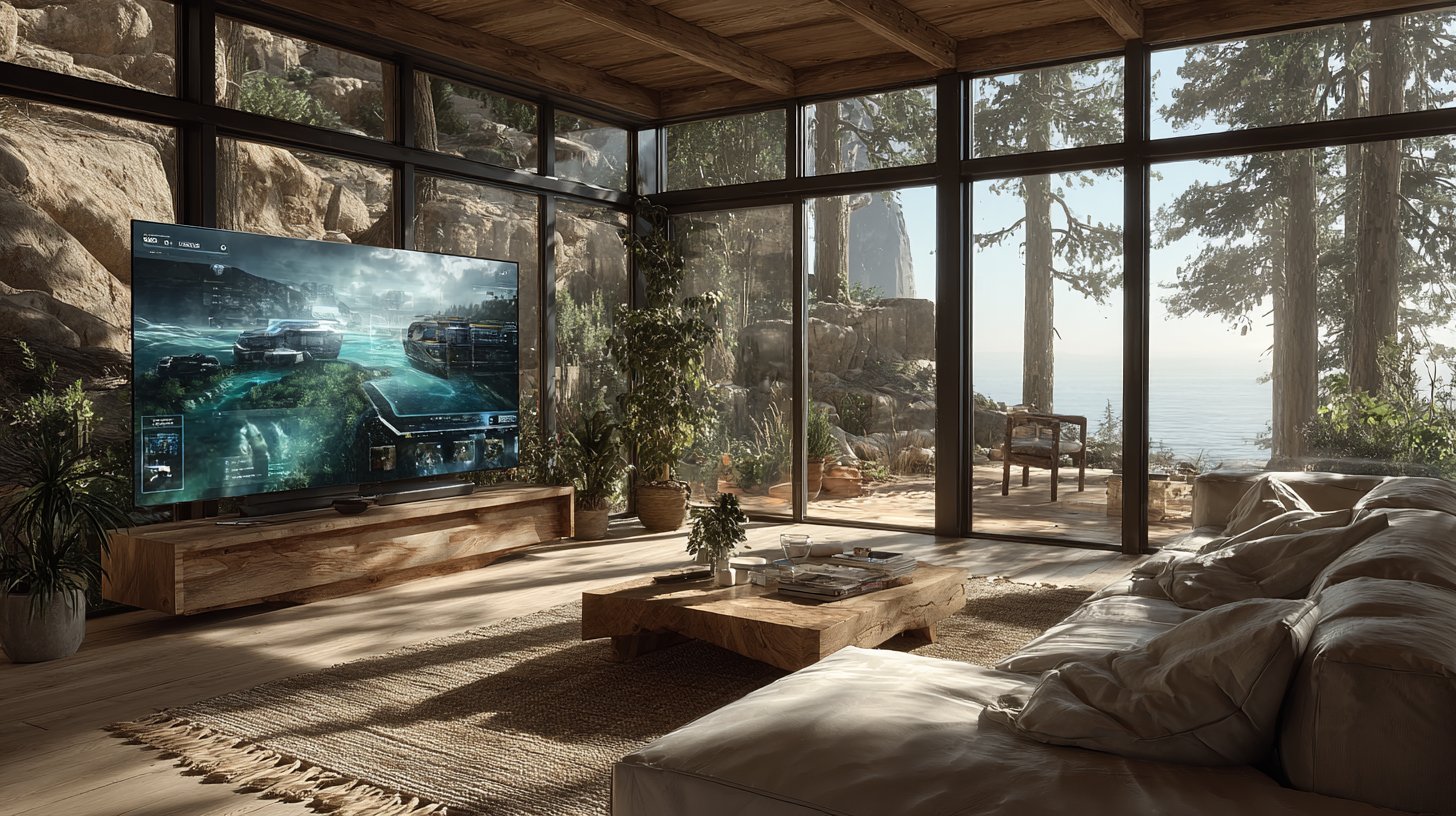
When we think of 'home,' many of us have a specific idea that we associate with our culture. In Germany, for example, you often experience the combination of functionality and coziness that is present in every living room. You will often find typical elements such as a large sofa, a wooden table, and perhaps a few real plants that not only look beautiful but also improve the indoor climate.

Cultural Symbols in Space
Cultural symbols significantly contribute to the identity of a living space. Whether it is Portuguese tiles, Scandinavian furniture, or Indian textiles, each culture has its unique design features that tell specific stories. By incorporating such elements into your home, you create not only an individual atmosphere but also a dialogue between different cultures.
Another important aspect is the use of colors and materials. The south often calls for bright colors and natural materials to reflect warmth and light. In northern regions, darker tones are often prevalent to convey warmth and comfort. An apartment in Sweden, for example, might be characterized by a lot of wood, soft textiles, and muted colors.
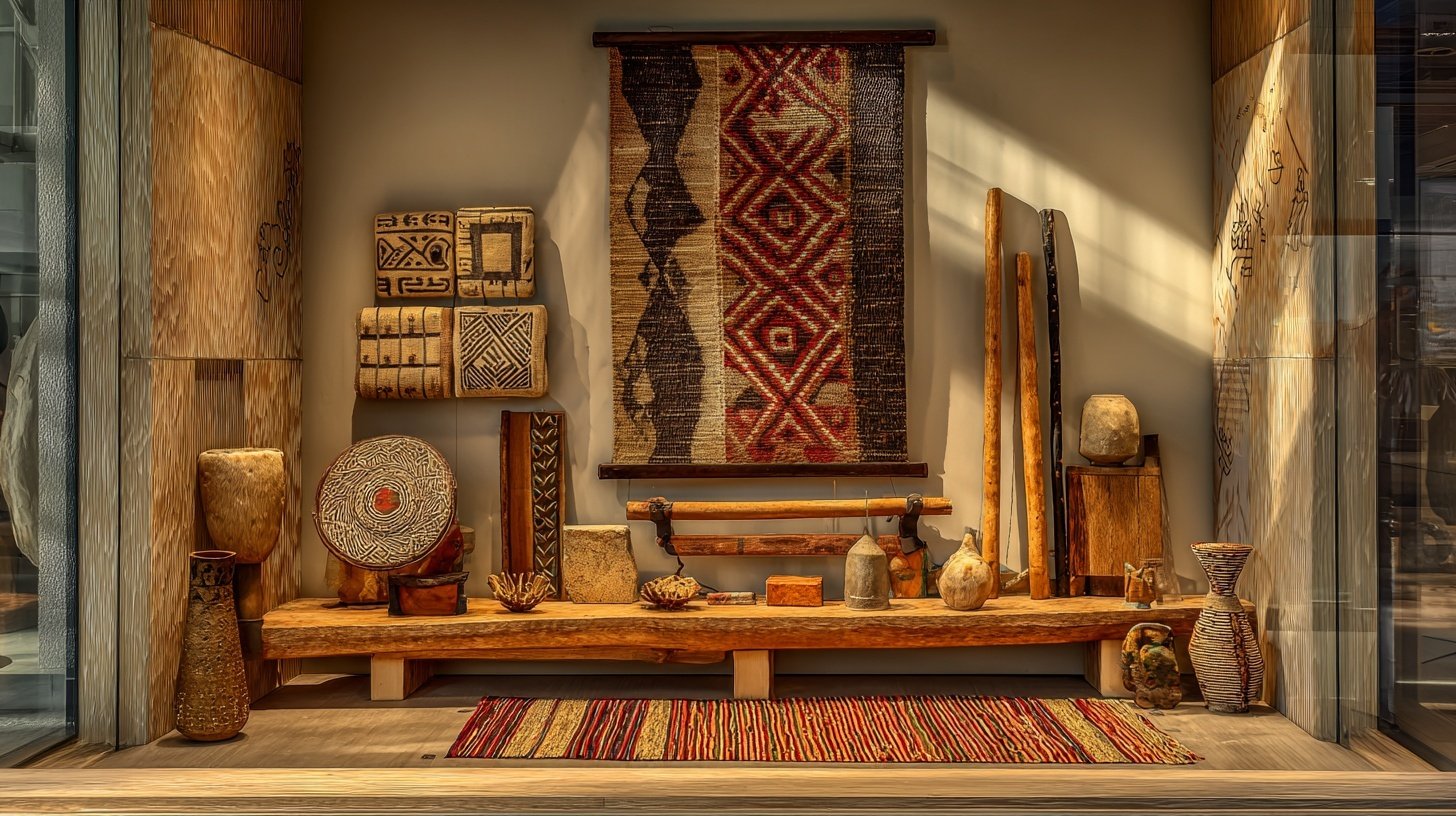
Additionally, certain interior styles may trace back to historical or mythical archetypes rooted in different cultures. These archetypes convey values and beliefs reflected in the design of living spaces. By integrating, for example, an African tapestry or Asian sculptures into your home, you create not only artworks but also cultural narratives.
Spaces as Expressions of Identity
Spaces are not just physical structures; they are also expressions of our identity and history. If, for example, you come from a specific country or want to maintain a certain tradition, you can reflect that through your living space design. Think of the possibilities that are open to you: from wall colors to furniture to artworks.
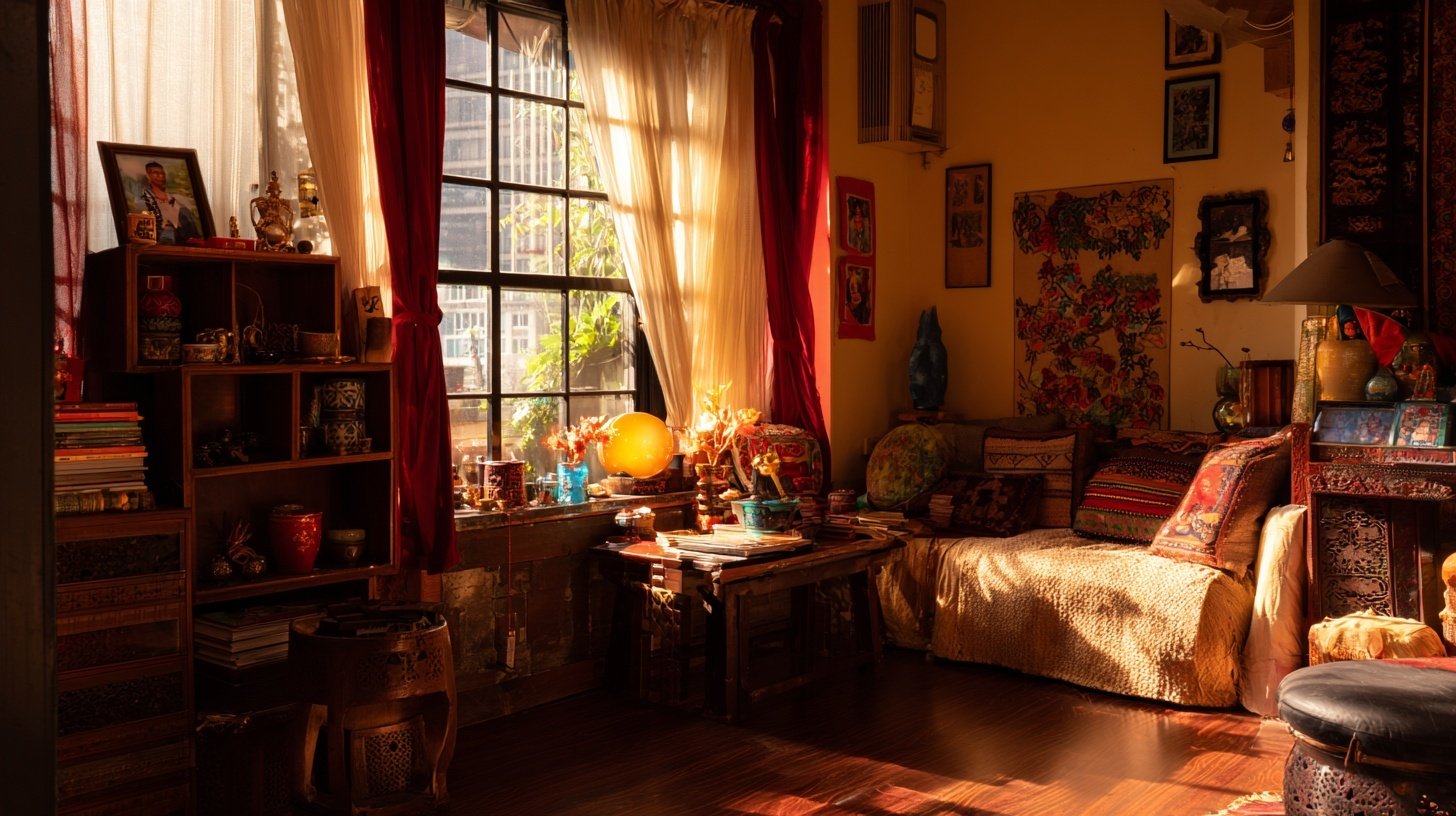
Popular styles like minimalism, boho, or industrial often have their roots in cultural movements. Understanding these styles can help you apply them in your own apartment and connect them with your personal story.
Living in the Context of Community
The design of your apartment should also reflect the community in which you live. In many cultures, interaction and sharing living spaces are important. Consider how you can adapt your space to create a sense of community. Invite friends over, work on the decoration together, or set up areas that promote exchange.
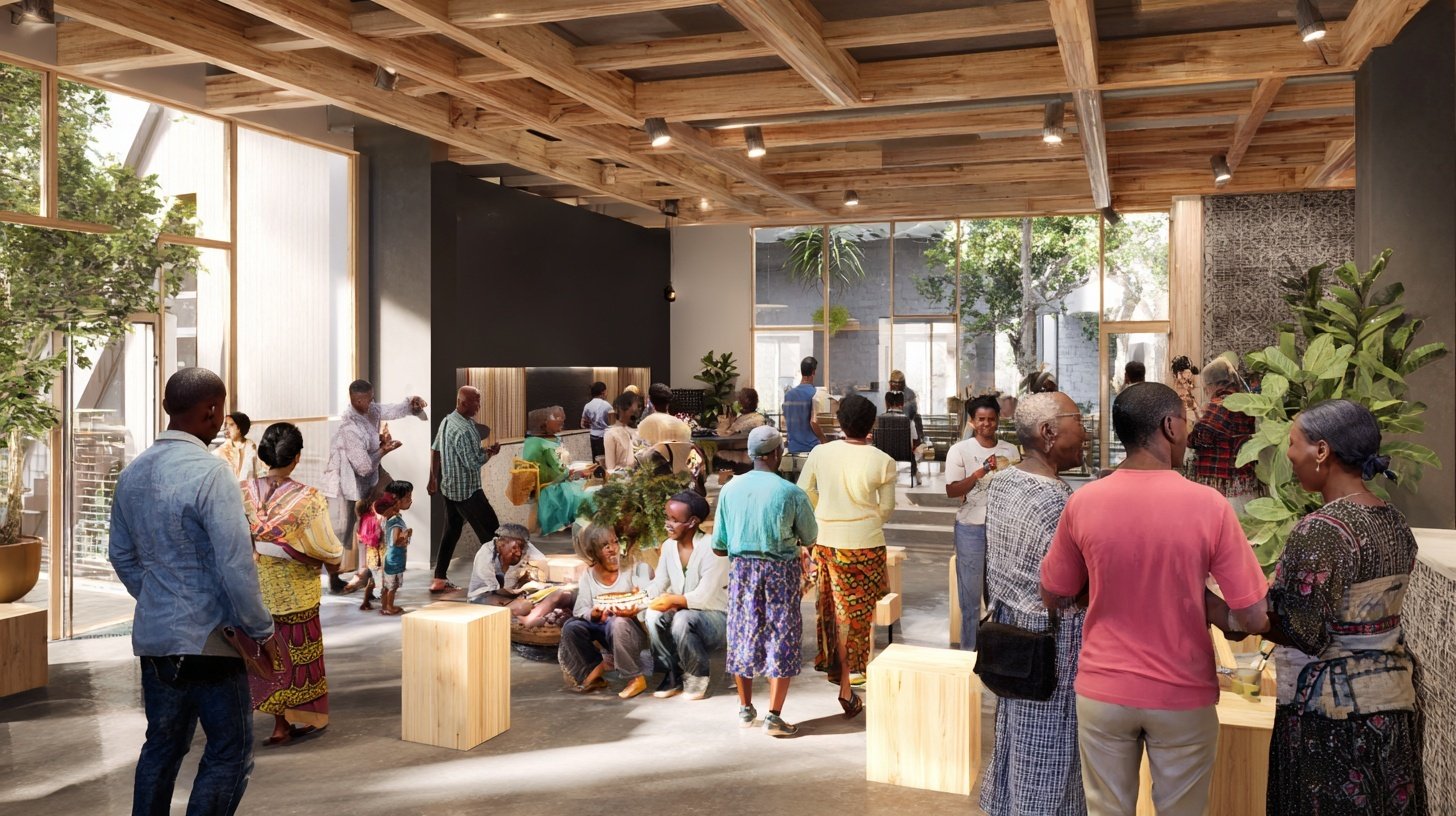
Remember, your apartment could be a showcase of your values and cultural heritage. Bringing together more than just one cultural influence can also create a strong sense of community.
Ultimately, it is important that your living spaces give you a sense of belonging. By incorporating cultural elements, you turn a space not only into a place to live but also into a home that tells your story.
Awareness of the influence of cultural symbols on your living space design not only opens up opportunities for creative thinking but also fosters deeper connections to your environment and to the people you share your home with.