
How Colors Influence Our Mood
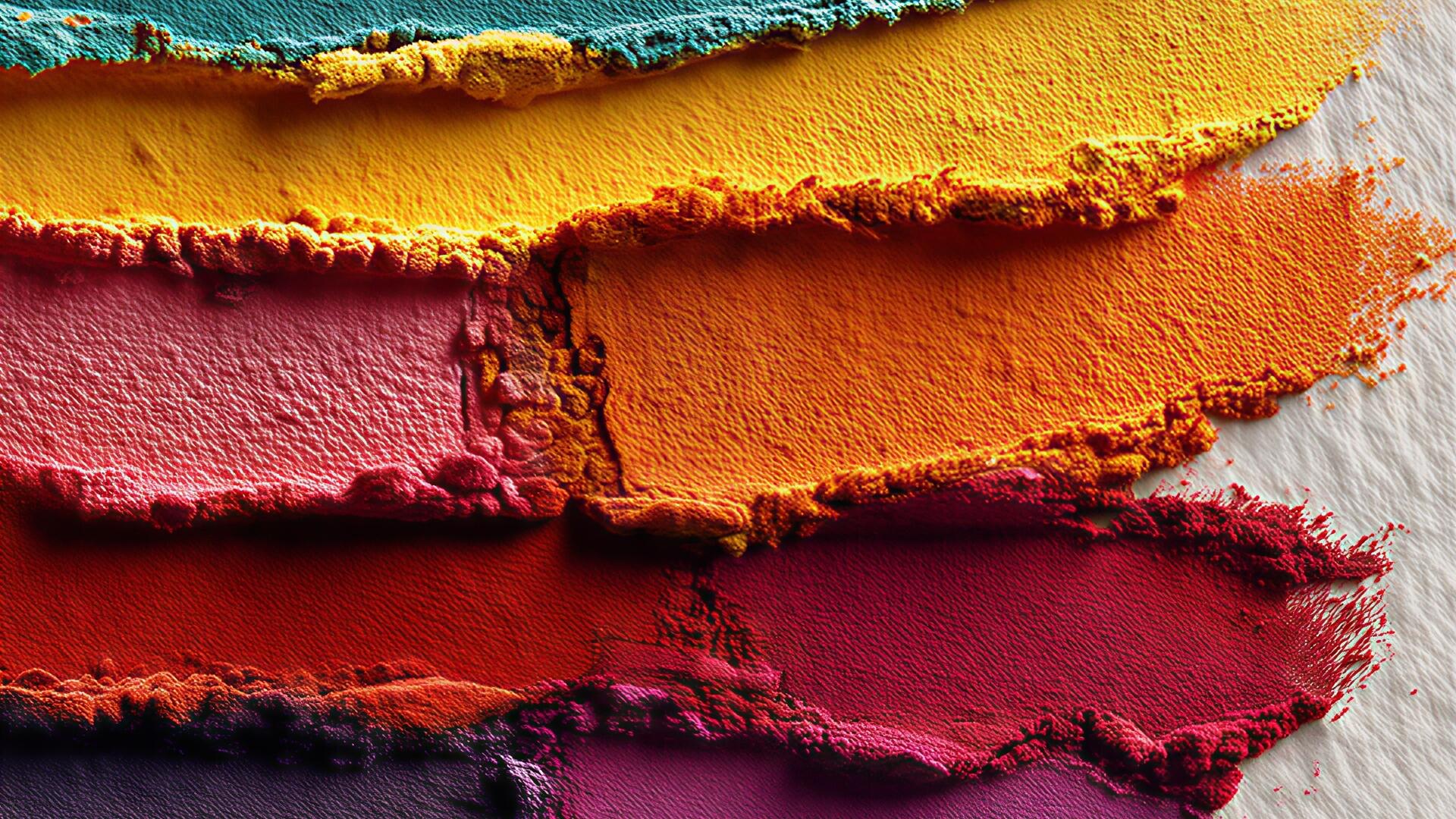

Colors not only have aesthetic value but also subtly influence our emotions and mood. When you are aware of the impact of colors on your daily life, you can design your environment to support your inner balance and well-being. At lifescout.com, we recognize the importance of finding a harmonious relationship between external success and inner peace. In a time when we are overwhelmed with information, it is crucial to understand the significance of colors and utilize their effects on our emotional equilibrium. The psychology of colors can provide you with valuable insights into how to design your environment and even your clothing to elevate your mood. In this article, we explore how colors can sustainably impact our lives and provide practical tips on how to consciously use colors in your life to promote yourself and minimize negative emotions.
Colors often affect us unconsciously, and their effects are deeply rooted in psychology. For example, the color blue is often associated with calmness and relaxation. Rooms painted in soft shades of blue can help reduce stress and create an atmosphere of serenity. On the other hand, the color red symbolizes vitality, passion, and even aggression. A red outfit can immediately boost your self-confidence, while too much red in a room can be overwhelming. Additionally, there are cultural differences in how colors are perceived. While many in Western cultures associate black with mourning, this color is often associated with elegance and style in other cultures. It is fascinating to recognize that the effect of colors can also vary depending on personal experiences and societal contexts.
The Significance of Primary Colors
Primary colors like blue, yellow, and red play a crucial role in shaping our emotional responses. Blue, as mentioned earlier, promotes a sense of calm and offers a clear mind. In contrast, yellow brings joy and optimism. If you are feeling melancholic, a yellow accessory can already set a positive tone and lift your spirits. Red, on the other hand, is the color of excitement – it not only stimulates the brain but can also increase heart rate. It is interesting to observe how these fundamental colors can evoke different reactions among different people. It is worth experimenting from time to time to find out which colors elicit the strongest emotional response for you.
Another important color is green, which is often associated with nature and harmony. Green has a calming effect and can help reduce emotional tensions. If you live a stressful daily life, it may be beneficial to incorporate plants into your living spaces or simply take a walk outdoors to experience the calming effect of green. The color orange also has a positive emotional impact – it is often associated with energy and creativity. If you wish to inspire yourself during creative projects, it might be helpful to incorporate orange accents into your workspace, creating a positive, stimulating environment.
Colors in Fashion and Interior Design
The choice of colors in your clothing can influence your mood and self-perception. Colors have the power to shape how you see yourself and how others perceive you. A person wearing a light blue shirt may be perceived as friendly and approachable, while someone in black is often viewed as powerful and authoritative. It is important to consciously choose the colors we wear to reflect how we want to feel. In interior design, you should also consider the effects of colors. A room painted in warm, light colors conveys friendliness and warmth, while dark colors can make the atmosphere gloomy and oppressive. The right color concept can be crucial in creating the desired feeling in a space.
Furthermore, it is also important to consider personal preferences. What is calming for one person may have an entirely different effect on another. Experiment with various shades in your personal space or when choosing your clothing. Perhaps there are colors you have always liked but never tried. Pay attention to how you feel when wearing certain colors or when spending time in certain colored spaces. It is also interesting to observe how your color preferences can change over time, depending on different life phases or experiences. Such observations can help you live more in harmony with your emotions.
Conclusion and Practical Tips
In summary, colors play a significant role in our lives by influencing our mood and emotional well-being. By understanding the basics of color psychology and consciously selecting colors, you can design your environment and your clothing to empower and support you. Consider what feelings you want to evoke and which colors best support those emotions. Use colors strategically, whether in your home, your wardrobe, or even when choosing your leisure activities. By integrating the influence of colors into your life, you can develop a more harmonious and fulfilling way of living.
Understanding the psychology of colors can help you make more confident decisions and proactively influence your emotional state. Be mindful to view the colors you surround yourself with as tools for self-improvement. Perhaps you can also create a small color scheme for your living area to experiment and intentionally experience the positive effects. Trust that each color choice reflects your inner self and that you have the power to design the atmosphere around you in a way that works best for you. Color psychology can be a valuable tool when you live your life consciously and actively influence your emotions.