
How Colors Can Affect Our Mood in Living Spaces
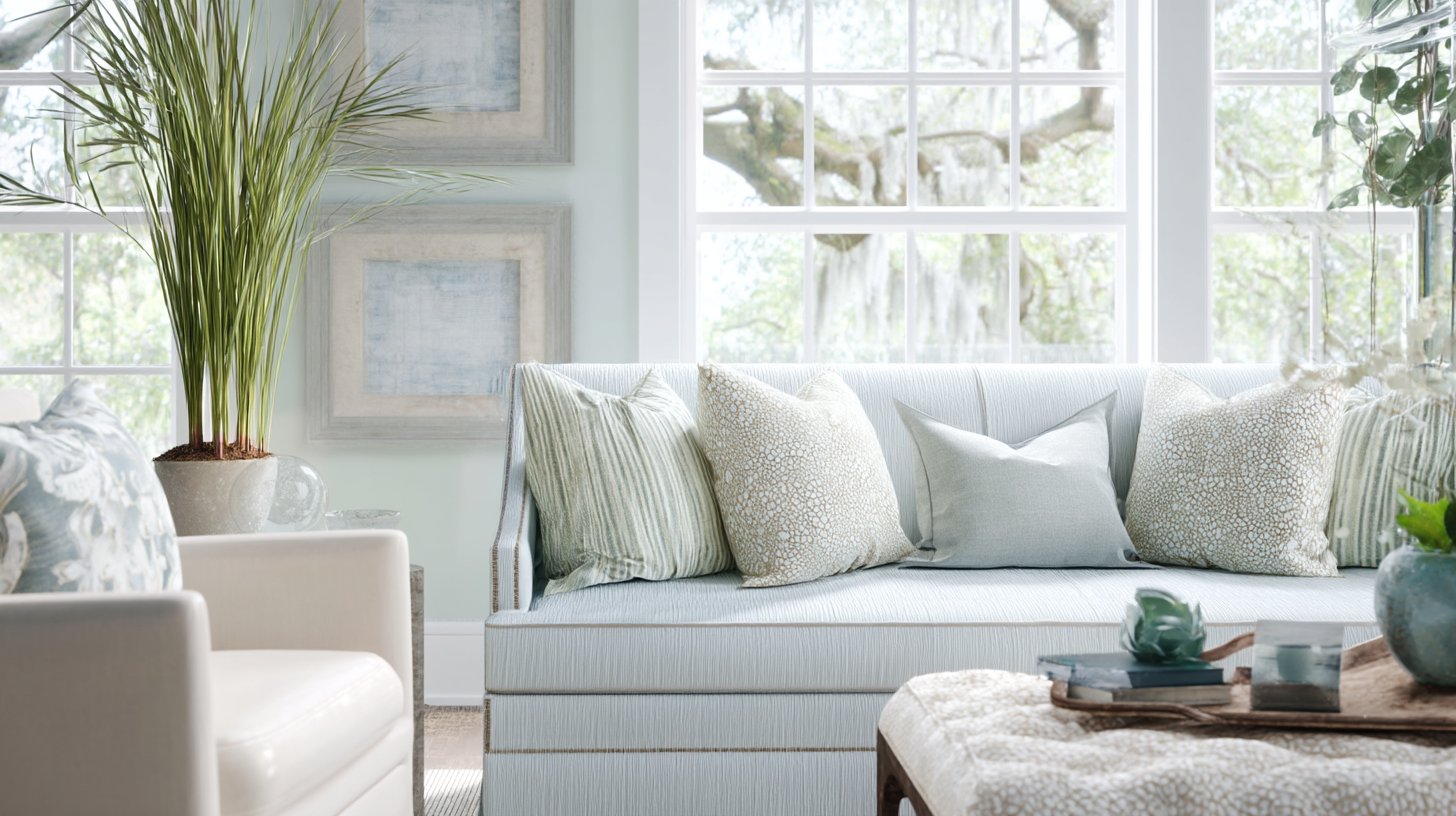

Your home is more than just a place where you sleep – it is a space that can influence your mood. The choice of colors in your living space plays a crucial role. Colors are not only aesthetic; they can also evoke emotional reactions. In this article, you will learn how color psychology works and how you can use it to create a harmonious atmosphere.
Color psychology is a fascinating field that explores how colors influence human behavior and emotions. The effects vary depending on culture, context, and individual perception. However, some colors have universal associations that can help you make the right choice.


The Power of Colors
Colors can significantly impact our well-being. For example, blue is often associated with calmness and relaxation. It can help reduce stress and create a peaceful atmosphere. That's why many people choose this color for bedrooms or quiet retreats.

However, there are also cautionary tones: Too much blue can sometimes appear melancholic. It is important to find the right balance by combining it with other colors that bring warmth and joy.
Yellow is another color that radiates energy and optimism. It reminds one of the sun and can help lift the mood. Especially in kitchens or dining areas, yellow can create an inviting atmosphere. But be cautious: Too much yellow can be overwhelming and lead to nervousness. So, pay attention to the dosage.
Colors and Their Emotions
Colors have the power to evoke memories and feelings. Green, for example, is often associated with nature and freshness. It can soothe and promote a sense of renewal – perfect for workspaces or living rooms where you want to relax.

Red, on the other hand, is a dynamic and exciting color. It can symbolize passion and energy, which is why it is often used in restaurants or spaces where social interactions take place. Again, moderation is important; too much red can lead to excitement that could turn into stress.
Color Combinations for Harmony
The right combination of colors can make a room harmonious and inviting. Neutral colors like white, beige, or gray can serve as a base and allow other colors to stand out. They create room for a variety of color accents that reflect your personality.
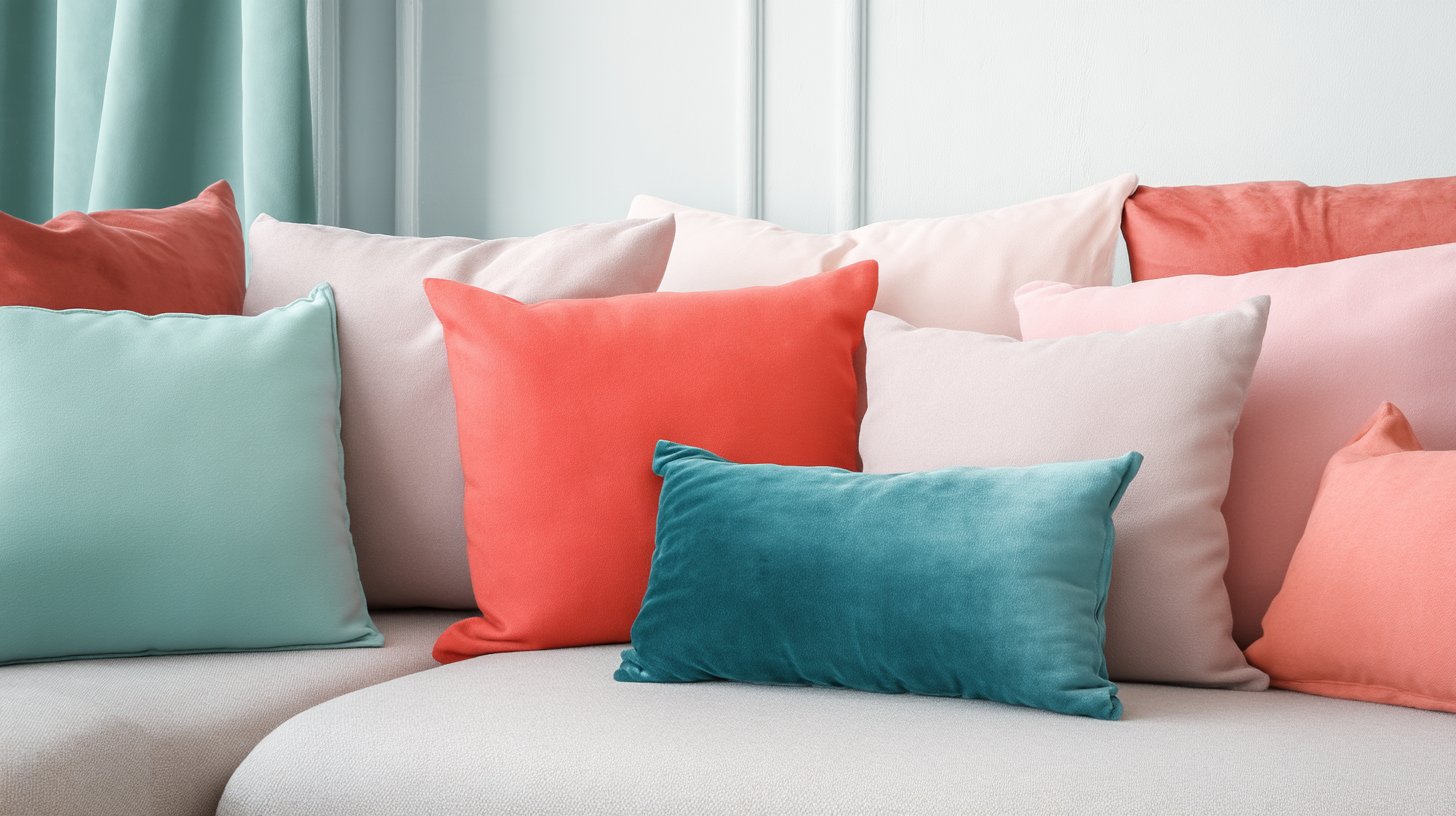
The exciting question is: What colors do you choose for your own walls? Experiment with color swatches and imagine how the space might feel with the chosen color. Be bold and combine different shades – this way, you can create a unique retreat in your home.
Another good approach is to use colors that complement your activities. For example, if you have a workspace, a mix of calming blue and stimulating yellow could boost motivation.
You should also consider the effect of light. How does the color change in daylight compared to artificial light? Therefore, test the colors at different times of the day.
Also, remember that personal preferences play a role. The colors you choose should ultimately reflect who you are and how you want to feel in your spaces.
In summary, colors in your living space can have a tremendous effect on your mood and well-being. You can use color psychology to create an atmosphere that inspires, grounds, or uplifts you. It is your home, and you have full control over the colors that shape it.