
How Generations Can Harmonize in Relationships
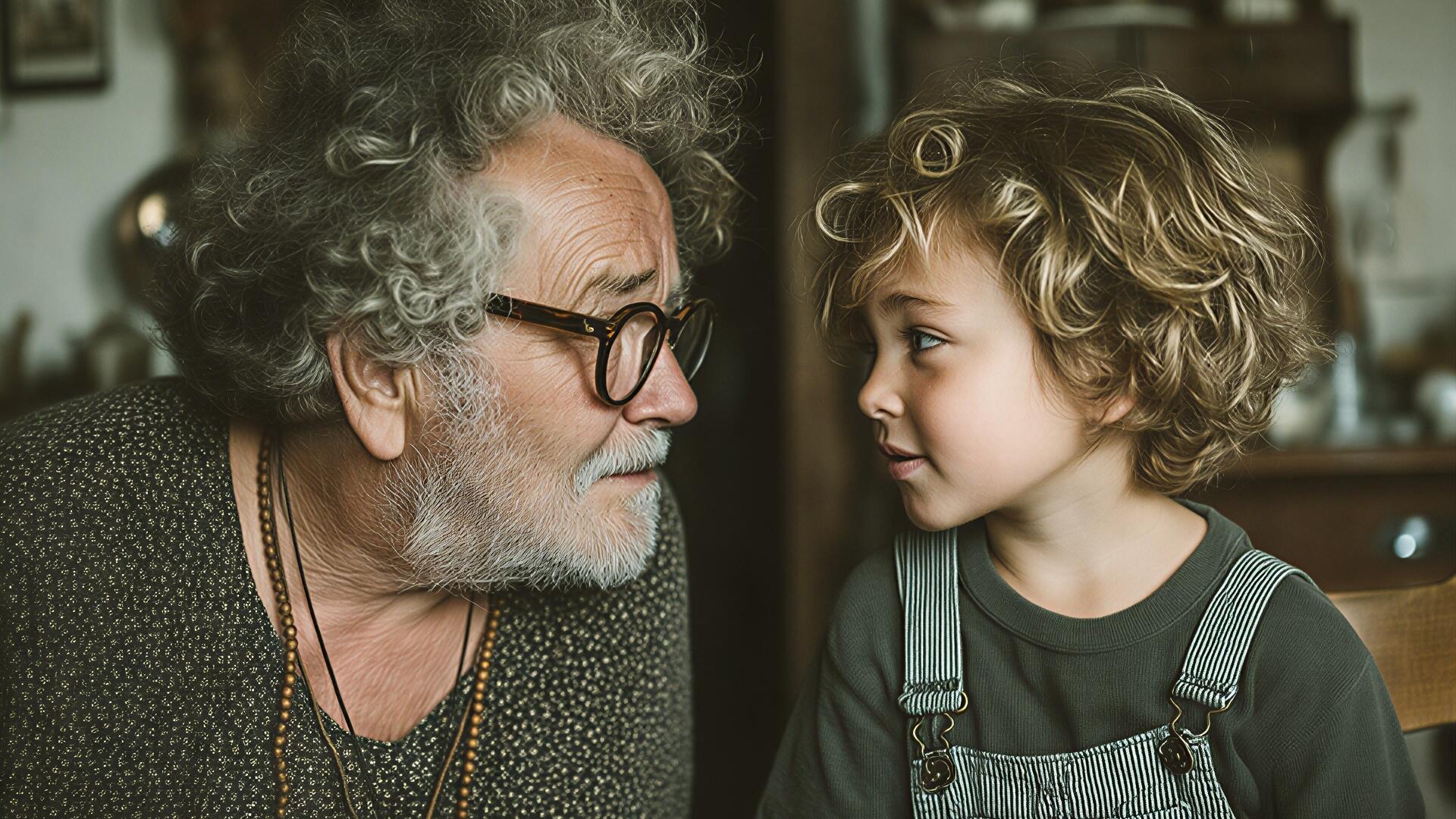

In a world where we are increasingly entering responsible relationships, generational differences play a central role. You might be wondering how you can bridge the gap between different age groups, whether in love, friendships, or family settings. At Nikki.de, where we support women in finding their own path, you will learn how to build and deepen connections with people of all ages. These challenges are not just questions of communication, but also of empathy and understanding. We provide you with impulses on how to recognize the beauties and nuances of each generation and incorporate them into your relationships. Let's find out how we can create respectful and healthy connections based on mutual understanding and appreciation. It is time to celebrate differences and make the most of our gatherings.
To understand generational differences, it is important to first look at the respective pasts of the individuals involved. Each generation brings its own values, experiences, and challenges that influence the way relationships are lived. Generation Z, for example, might associate times of rapid technological change with a search for authenticity and social justice. In contrast, Baby Boomers might view relationships as something that requires stability and long-term commitment. By becoming aware that these different perspectives exist, you can begin to approach each other respectfully and foster better understanding. Communication is key: ask questions, listen actively, and show interest in the life stories of others.


The Power of Communication
One of the strongest tools for bridging generational differences is communication. Open conversations can help clear misunderstandings and tackle everyday challenges together. Start with simple, honest communication. Ask how the other person thinks about certain topics and share your own perspective without prejudice. The way you ask questions can significantly influence the course of a conversation. Instead of asking questions that may provoke a defensive response, frame your inquiries to encourage reflection. Use 'I' messages to express your feelings without attacking the other person. This way, you feel safer and also give your counterpart the opportunity to be open.
Another aspect of communication is understanding the various communication styles that exist within the generations. Younger generations often use digital media to express themselves, while older generations may prefer face-to-face interaction or phone calls. Respect and acknowledge these differences by trying to use your counterpart's preferred mode of communication. For example, if you primarily communicate via text messages, try to initiate calls or in-person meetings if the other person prefers that. Often, a small effort to adopt another communication style can lead to significant progress in the relationship.
Creating Shared Activities
One of the best ways to bridge generational differences is to find shared activities that appeal to all generations. This can be anything from a cooking evening at home, where recipes from different eras are tried out, to an outing in nature that can be enjoyed by all generations. Such experiences not only provide a platform to get to know each other but also help build deeper connections. It doesn't matter who is better or more successful – it's about having fun and appreciating each other's company. Remember that your views and experiences are also valuable, and your differences can be a source of strength.
Moreover, you can bring generations closer together by sharing stories. Each generation has its own challenges, expectations, and successes. Encourage older family members to share their experiences and lessons from the past. This can help deepen understanding and build bridges between experiences. When younger generations hear the stories and wisdom of older generations, they can not only learn valuable lessons but also develop respect and gratitude for the past. Such conversations foster an atmosphere of openness and trust, which is the foundation of any relationship.
Cultivating Empathy and Understanding
Empathy plays a crucial role in understanding generational differences. You should try to put yourself in the shoes of the other generation and recognize their perspectives. Conflicts often arise from a lack of understanding and prejudices. Show compassion by acknowledging their viewpoint, even if you don't agree with it. Developing cultural sensitivity is essential to building bridges. When you can understand the life circumstances and challenges of others, you can build trust and respect. This can be significant in intimate relationships as well as friendships and the workplace; empathy is the key to deep, meaningful connections.
To promote empathy, you can also introduce targeted exercises in relationships. For example, each generation could take on the perspective of the other for a week – whether in meeting friends or in the workplace. This small exercise could provide interesting insights into how others live and think. It's a great way to step into the daily lives of others and step out of your comfort zone. Such experiences not only broaden horizons but also promote understanding and consideration for others. This strengthens relationships in a sustainable way.
Conclusion and Recommendations
In summary, understanding generational differences is essential for harmonious relationships. Communication is key – whether through sharing experiences, adjusting communication styles, or developing empathy. This gives you the opportunity to establish deeper connections, reduce misunderstandings, and appreciate the unique qualities of each generation. Use shared activities to exchange experiences, share stories, and expand perspectives. Direct listening and sharing your own thoughts can be valuable approaches to foster and establish harmony in your relationships.
Ultimately, relationships are the heart of our social interactions, and understanding generational differences is the first step to strengthening them. Invite the people in your life to share their own stories and listen actively. When you appreciate the diversity of thoughts and opinions, you will build a deeper connection with those around you. Remember: every generation has something unique to offer that can enrich you. Let's open the doors to understanding and create a world together where every voice counts and is heard.