
How technology is revolutionizing our living spaces - A new trend


In an era where technology permeates almost every aspect of our lives, living spaces are not unaffected. Interactive living concepts are emerging that fundamentally change the way we use and experience spaces due to technological innovations. But what does this mean specifically for us, the residents?
When we talk about interactive living concepts, many think of smart devices that make our daily lives easier. However, technology has much more to offer than just controlling light and heat. Innovative living concepts enable us to actively shape and influence our surroundings. This not only means comfort but also an increase in well-being and quality of life.


The future of living
The future of living looks promising. With the ongoing digitization and the development of more intuitive smart home systems, we can adapt our living spaces to our individual needs. Even today, there are numerous applications that allow us to optimize energy consumption, increase security, and control our living space with a simple gesture.
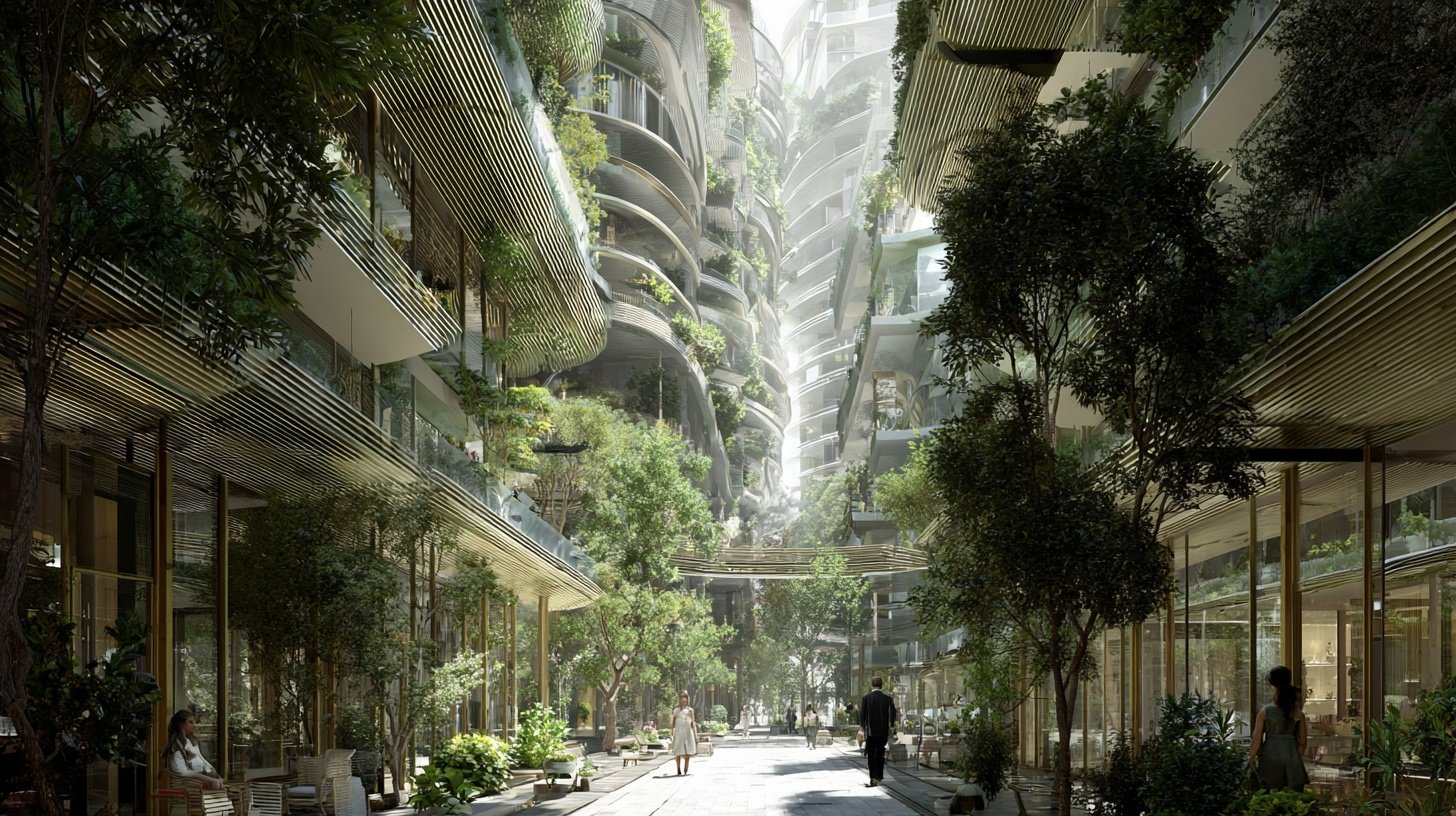
The living of the future will also include interactive spaces that can respond to our emotions and needs. Imagine entering a room and the lighting automatically adjusts to your mood, or a segment of the room enlarges or reduces depending on group size or activity. Such technologies could soon be everyday life and help us feel even more comfortable.
Through the integration of Virtual Reality (VR) and Augmented Reality (AR), we can also visualize and design our spaces in completely new ways. These technologies allow you to create spaces virtually before they are realized. One can try out different furnishing options or virtually test the arrangement of furniture to find the optimal look and functionality.
Sustainability and functionality
Another important aspect of interactive living concepts is sustainability. Thanks to clever technologies, it becomes easier to lead a more environmentally friendly lifestyle. Smart thermostats help you minimize energy consumption by learning when you are home and when you are not.
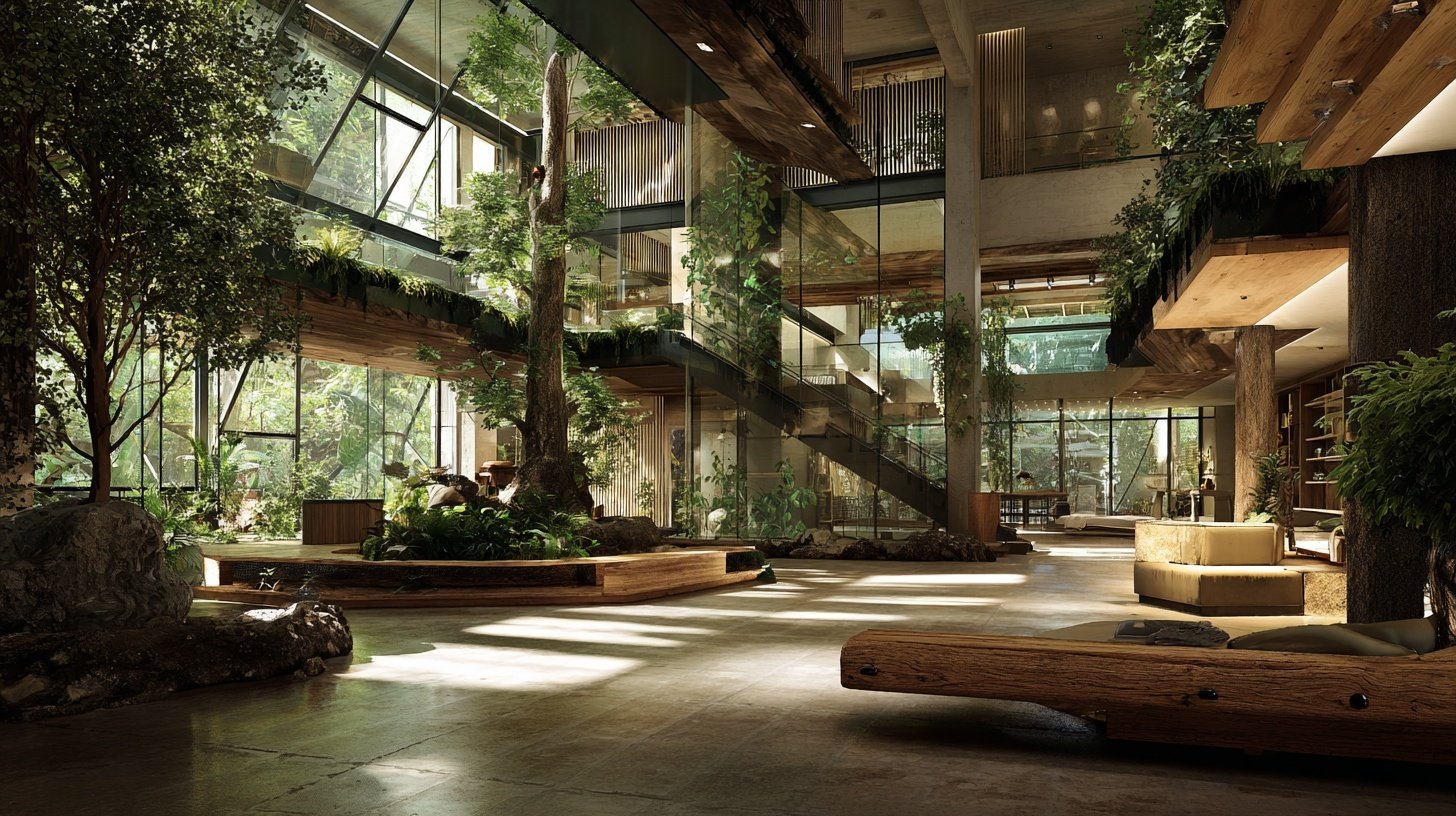
The functionality of these systems ranges from automatic regulation of heating to intelligent water consumption control. By working with these technologies, we can significantly reduce our ecological footprint while maintaining a comfortable lifestyle.
A new way of living together
Technology is also changing the way we live and communicate with each other. Concepts like co-working and co-living are supported by digital solutions that promote exchange and interaction among residents. Here, everyone can live in their own area while actively participating in communal spaces.

With social platforms specifically designed for living spaces, everyday life becomes even easier. One can conveniently invite neighbors, organize events, or share documents via an app. This creates a new neighborhood culture supported by technology.
In this context, the issue of privacy is becoming increasingly important. While we enjoy the benefits of connectivity, it is equally essential that we maintain control over our data and personal spaces.
Ultimately, the development of interactive living concepts will revolutionize our way of life. It enables us to live not only more easily but also more efficiently and fulfilling. This is no longer just a dream of the future but already realizable today.
In a world that is constantly changing, living remains a central component of our lives. Technology offers us the opportunity to reshape our living environment and adapt it to our needs. In doing so, we should continually ask ourselves: How do I want to live?
The conclusion is: Technology has the potential to enrich and improve our everyday lives, as long as we use it sensibly. The future of living could therefore become not only smarter but also more human.