
Living in cooperatives: Socially just alternatives to life
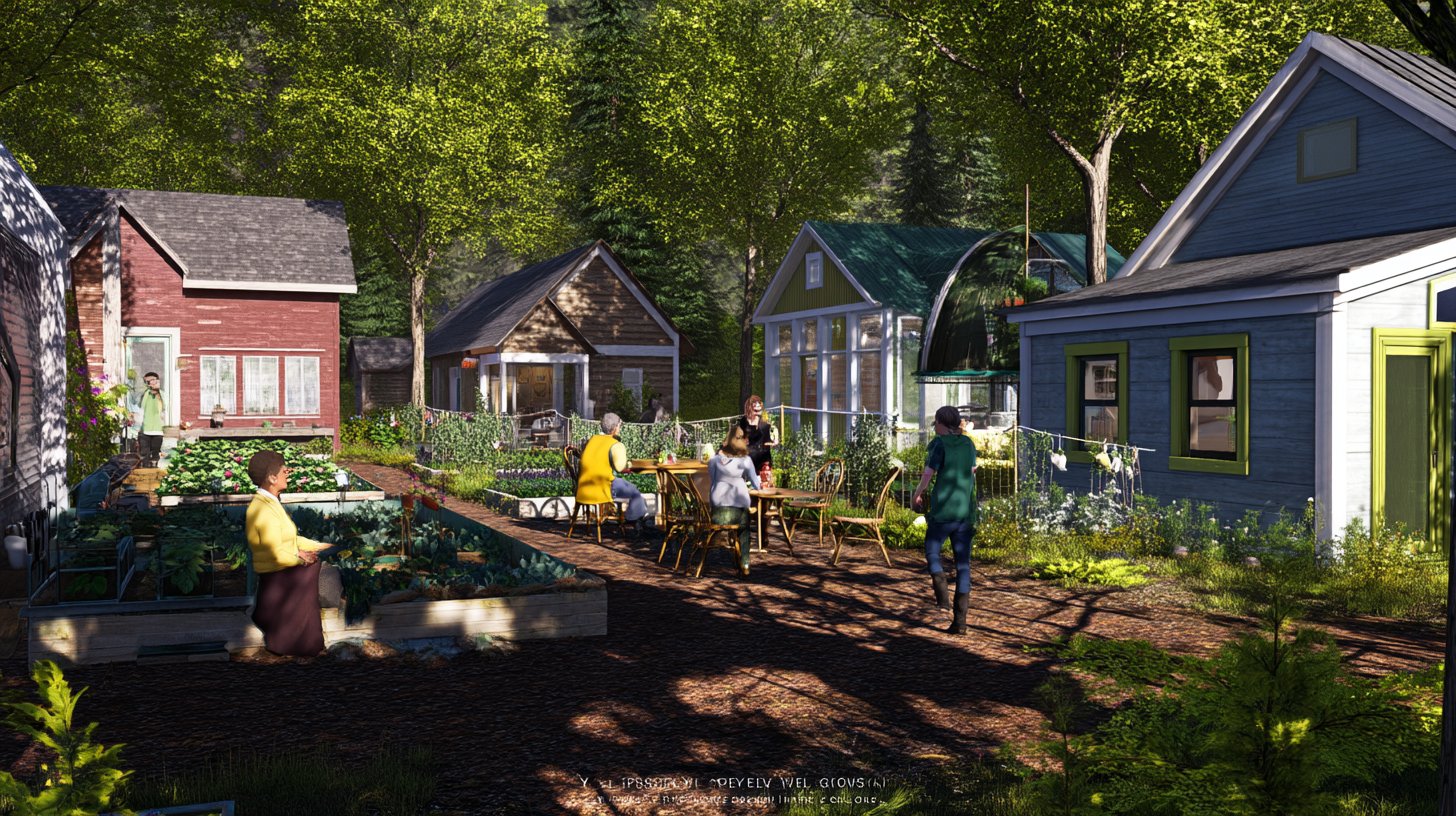

In a world where social justice and community feeling are gaining more and more importance, alternative housing models such as cooperatives come into focus. Cooperatives not only provide living space but also promote a strong social interaction and sense of responsibility among the residents.
Imagine living in a housing project where you not only have a roof over your head but are also part of an engaged community. This way of life can contribute to people feeling less lonely and developing a deeper understanding of each other.


Living with responsibility
Cooperatives are more than just apartments – they are places shaped by communal values. Here, residents share responsibility for maintenance, care, and even decision-making regarding the use of communal spaces. Through participation, cooperatives create a strong community where everyone can contribute.

This not only allows for individual freedoms but also fosters a togetherness based on solidarity and mutual support. This leads to people coming together to solve common problems and develop ideas.
An example of this is a project where families, singles, and seniors live under one roof and jointly tend to gardens, organize celebrations, or offer workshops. Through these shared activities, interaction is promoted, leading to a feeling of being not just neighbors but family.
Social justice in housing
Cooperatives often also provide affordable living space that is not affected by fluctuations in the real estate market. In a time when rental prices are exploding, this model offers a valuable perspective.

Furthermore, many cooperatives place great value on sustainability. Residents work to make their buildings environmentally friendly by, for example, utilizing solar energy and collectively focusing on resource conservation. This not only creates social value but also ecological value.
The future of living
In the future, more and more people may rely on cooperative living models not only to benefit from the community but also to actively contribute to a better environment and society. This way of life could bring about a significant change in how we think about living.

It is time to rethink our ideas about living and be open to new possibilities. The question is not only how we live but also how we want to live together. Cooperatives give us the chance to shape exactly that.
Living in a cooperative can help us redefine appreciation, responsibility, and cohesion. If you are thinking about what your ideal living environment should look like, the world of cooperatives could be the key to your future.