
Emotional Intelligence for Modern Women
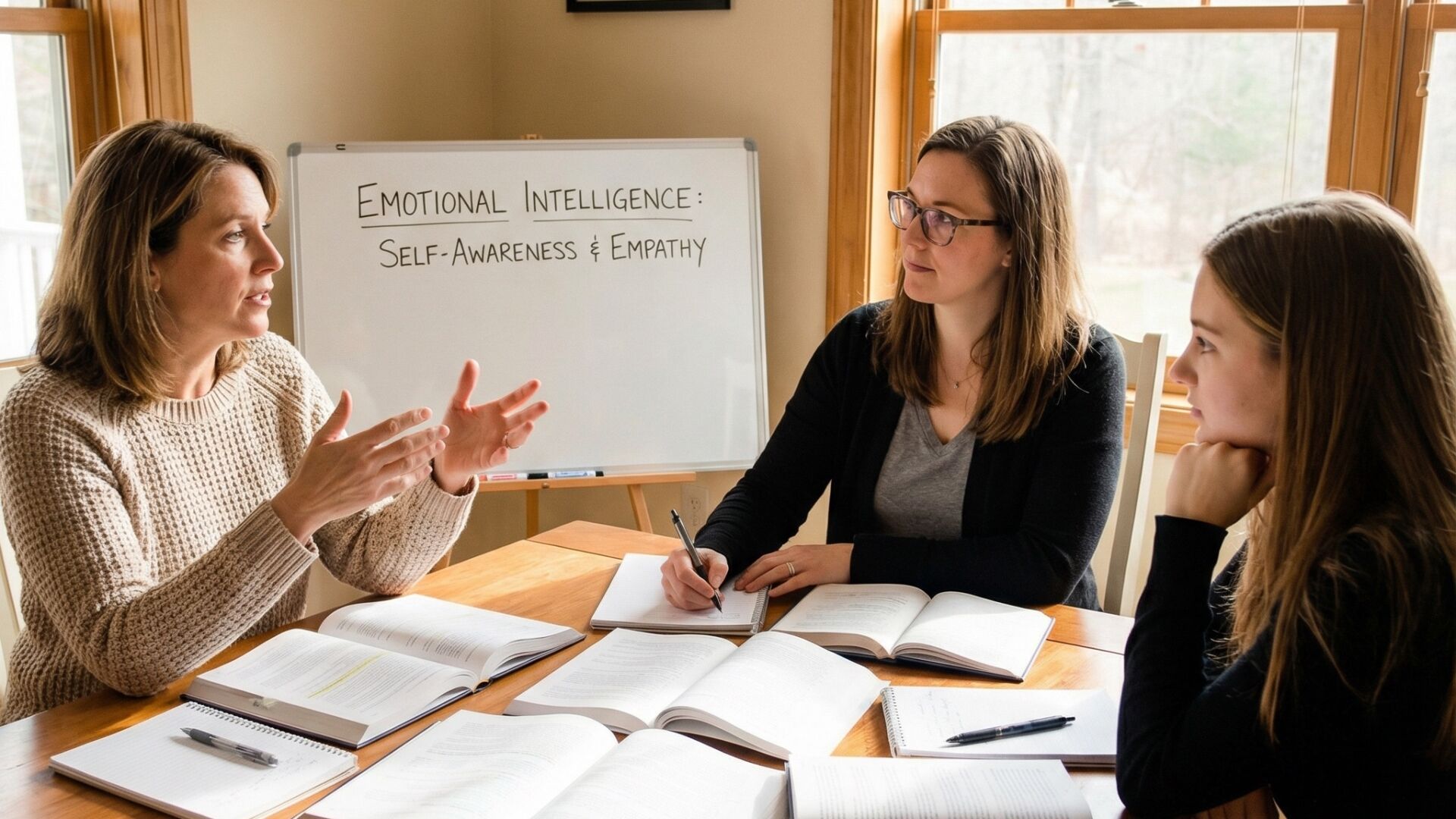

Emotional intelligence is more important than ever today, especially for women who often have to balance various aspects of life. On lifescout.com, a platform that serves as a source of inspiration for women, you can learn how to develop your emotional intelligence to improve your relationships and foster personal growth. Through current articles, you will be introduced to the psychology of human relationships and personal development. The guide offers deep insights into how to achieve harmony in your life and build strong, trusting connections. We explore paths to self-realization and provide practical tips on how to find balance between career and personal life. We also focus on esoteric knowledge and spiritual aspects that can enrich your life journey.
Emotional intelligence is the ability to recognize, understand, and regulate one's own and others' emotions. It not only protects us in stressful situations but also enhances our social skills. An example of high emotional intelligence is how to handle conflicts. Instead of reacting impulsively, you can maintain a clear head through self-reflection and empathy and understand the perspectives of others. This is particularly important in interpersonal relationships, whether in the workplace or in a personal environment. Use techniques like active listening to build a deep connection with others and avoid misunderstandings.


Developing Self-Awareness
To promote emotional intelligence, self-awareness is the first step. It means being aware of your own emotions and understanding how they influence your behavior. A practical way to work on your self-awareness is through journaling. Regularly write down your feelings and thoughts to recognize and question patterns. This not only helps with self-reflection but also with recognizing how you react to different situations.
Another aspect of self-awareness is the ability to recognize your own boundaries. It's important to know when to say 'no' to protect your mental health. Discuss with friends or trusted individuals about situations where you felt uncomfortable. Together, you can develop strategies to handle similar situations better in the future.
A helpful approach to strengthen your self-awareness is the practice of mindfulness. Set aside time each day to go within and focus on your emotions. Mindfulness techniques like meditation or breathing exercises enhance self-perception and help you respond more calmly in stressful situations.
Developing Empathy
Empathy is a central component of emotional intelligence. It allows you to understand the feelings of others and respond better to their needs. To improve your empathetic ability, try to put yourself in other people's shoes. Ask yourself how you would feel in their situation and respond accordingly. This fosters better understanding in interpersonal relationships.
Another way to develop empathy is by observing and analyzing body language. People often communicate non-verbally, and it is important to recognize these signals to better understand their emotions. Pay attention to facial expressions, gestures, and tone of voice during conversations. This way, you can respond more quickly to the needs of others.
It's also helpful to actively seek feedback. Involve friends or family in your conversations and ask how they perceive your reactions. This can provide valuable insights into how you are perceived by others and where you can further develop your empathy.
Improving Emotional Regulation
The ability to regulate emotions is crucial for successful interactions. Often, we experience emotions that can overwhelm us. Learn to name these emotions and develop strategies to manage them. One way to regulate emotions is to recognize and change negative thought patterns. When you notice that you are in a negative spiral, take a moment to pause and analyze the situation.
Taking breaks is also important for regulating emotions. Take time for yourself to sort out your thoughts and feelings, especially during stressful times. It can help to take a short break to clear your mind and reflect before you react.
Another effective approach is the use of positive affirmations. Remind yourself of what you do well and what you can appreciate. Positive self-talk fosters optimism and helps you remain composed in challenging situations.
In summary, emotional intelligence is an indispensable tool for women in today's world. By improving your self-awareness, fostering your empathetic ability, and developing effective strategies for emotional regulation, you can not only strengthen your own relationships but also better help others. Take the time to work on your emotional skills daily, as the investment in your emotional intelligence will pay off in the long run. Continuously work on yourself and enjoy the journey toward a more fulfilling and harmonious way of life.
Remember that emotional intelligence is not perfected overnight; it is a process. Set small, achievable goals and celebrate the progress you make. The ultimate goal is not only to understand your own emotions but also to be able to carry this understanding into the world around you. Let the decisions you make be guided by empathy and deep understanding for yourself and for others.