
Gender-Neutral Fashion: The Development of an Inclusive Clothing Market
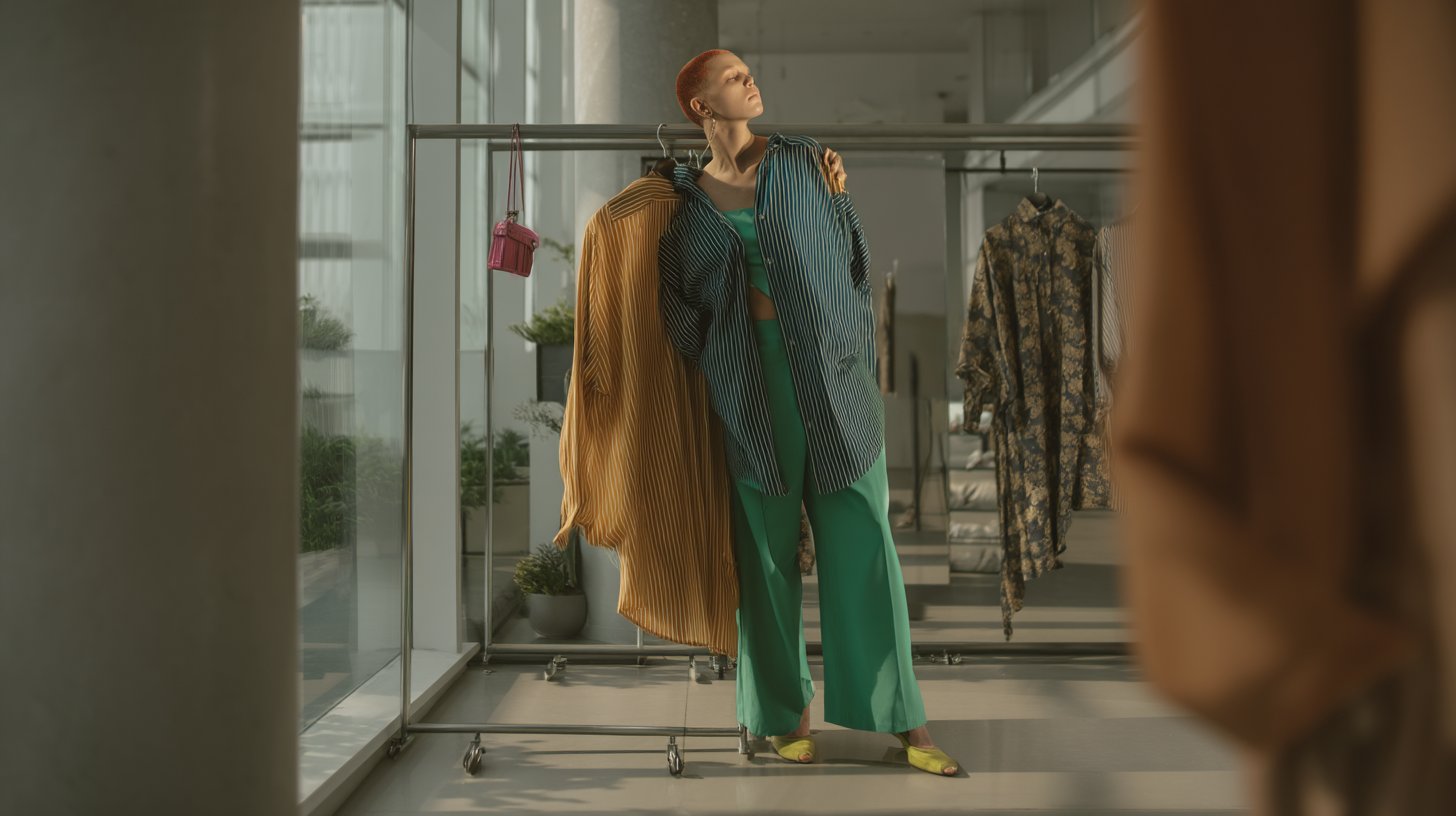

In recent years, the fashion industry has changed dramatically. Gender-neutral fashion is increasingly coming into focus and offers an inclusive alternative to conventional men's and women's fashion. The trend towards more diversity and acceptance in society is reflected in this development and opens up new perspectives for both designers and consumers.
Traditionally, fashion was often divided into strict categories: that was clothing for women and that for men. However, these binary standards are increasingly outdated. More people, regardless of gender or gender identity, are looking for clothing that better reflects their personal style. This has led to a growing demand for gender-neutral brands.
What is gender-neutral fashion?
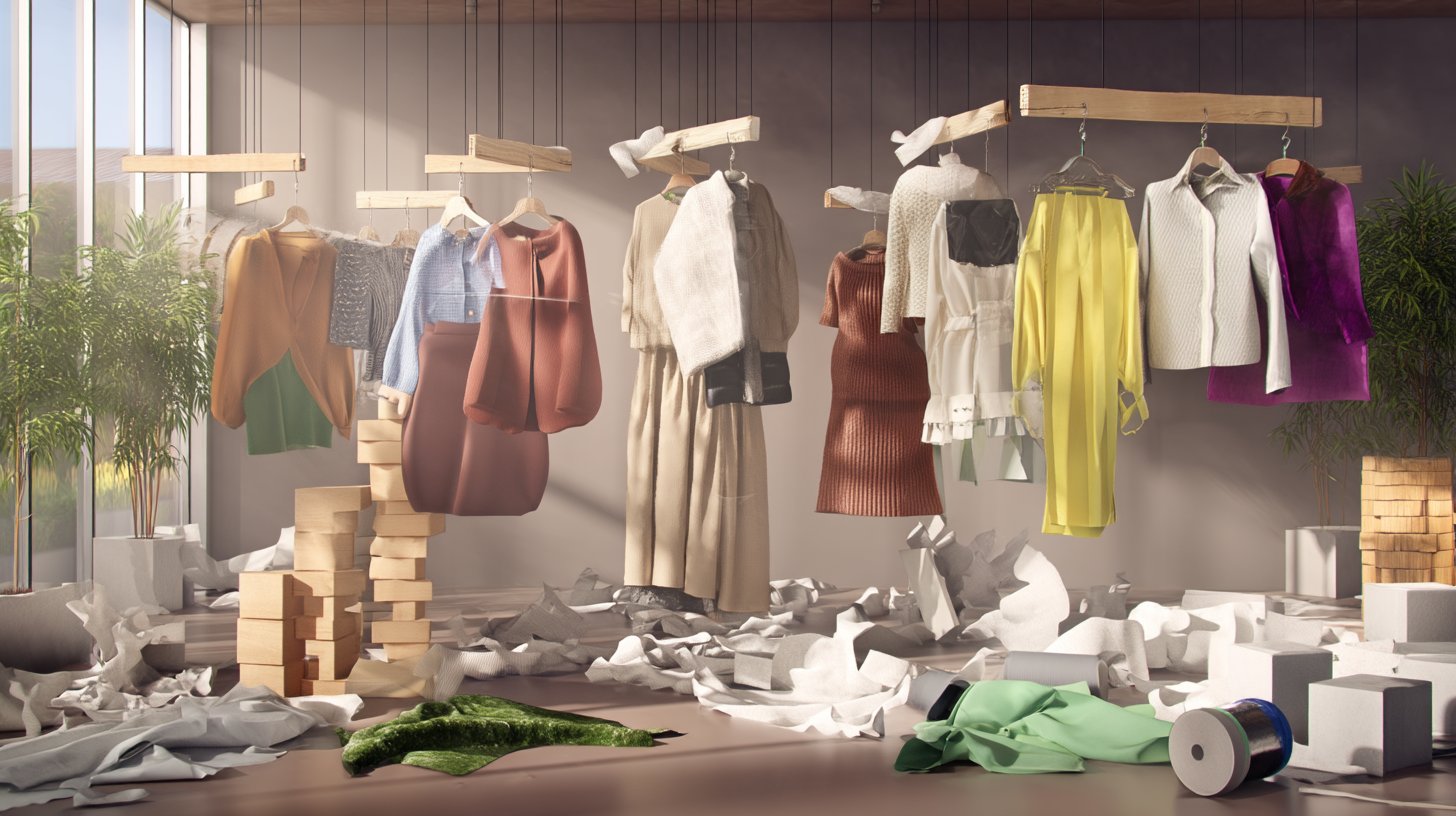
Gender-neutral fashion includes clothing and accessories that are not specifically designed for any gender. This means that designs, cuts, and colors can be used flexibly, regardless of whether the person is male, female, or non-binary.

This fashion is often minimalist and comfortable, with a focus on function and style. Many brands also use sustainable materials and ethical manufacturing processes, as there is a growing awareness of environmental issues.
Brands like Telfar, Buck Mason, and Raeburn are examples of companies that have successfully implemented gender-neutral concepts. These labels transcend traditional fashion labels and bring fresh air into the industry.
The Influence of Society
Societal acceptance of diversity and individuality has increased significantly. Conversations about gender identity, gender fluidity, and queerness are more present than ever, and the fashion industry has responded to these changes.
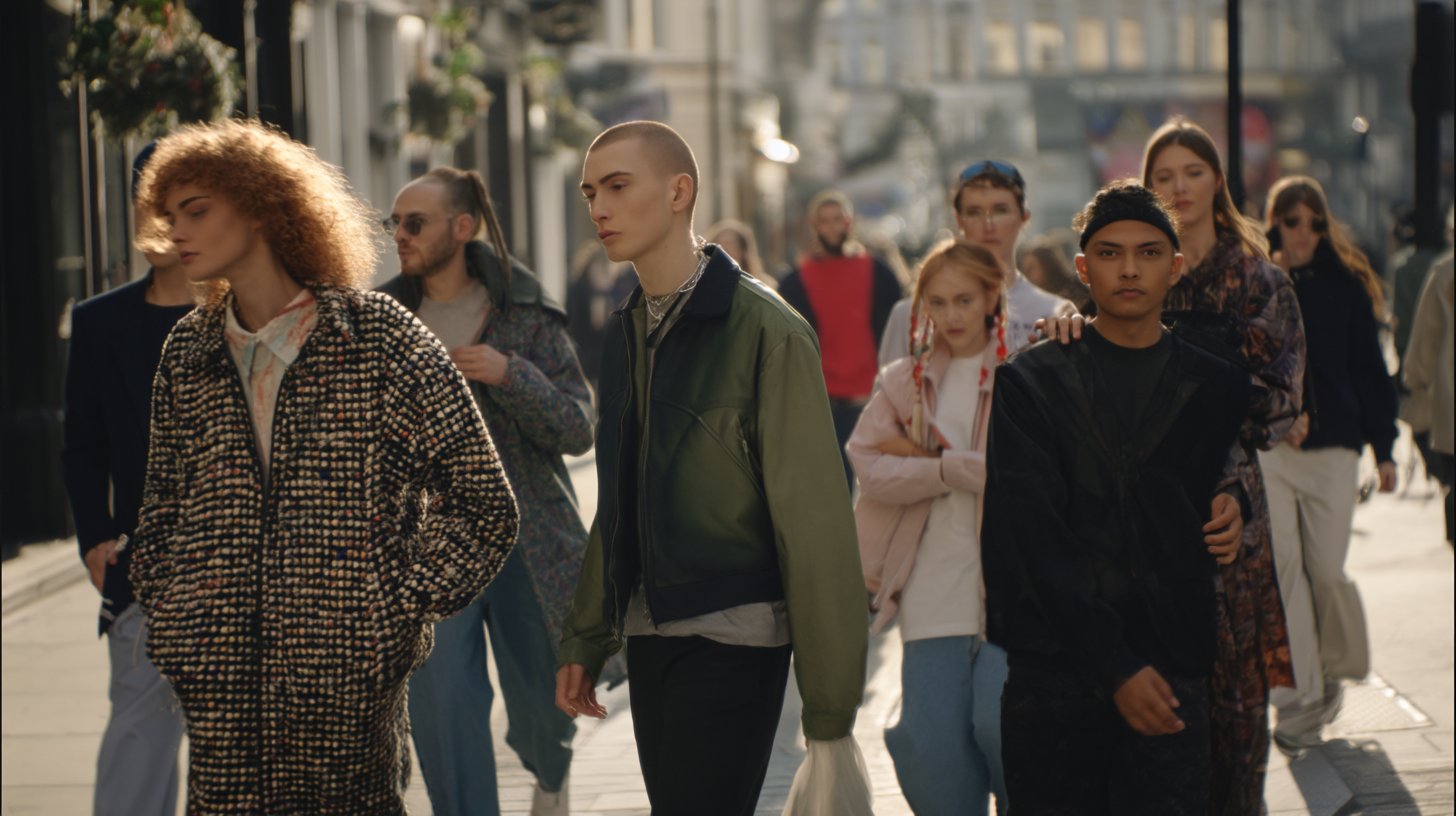
The use of gender-neutral fashion in advertising and by celebrities also plays an important role. Iconic figures like Billy Porter and Jaden Smith advocate for this movement and promote acceptance in society.
Challenges of Inclusive Fashion
Despite positive developments, there are also challenges. Many brands struggle to find a balance between commercial success and the ethical claim of gender-neutral fashion.
Additionally, there are still prejudices and misunderstandings about gender-neutral fashion. Some people are skeptical and find it difficult to break away from traditional gender roles. Raising awareness and promoting education are therefore crucial.
Overall, the fashion industry stands at a turning point. The increasing demand for gender-neutral and inclusive designs shows that society is moving towards greater acceptance and openness.
Gender-neutral fashion is not just a trend; it is a sign of the desired change in society, where everyone has the freedom to express themselves according to their wishes and needs.
By accepting and supporting this fashion, we contribute to creating a more inclusive and just world.