
How beauty ideals have changed over the centuries
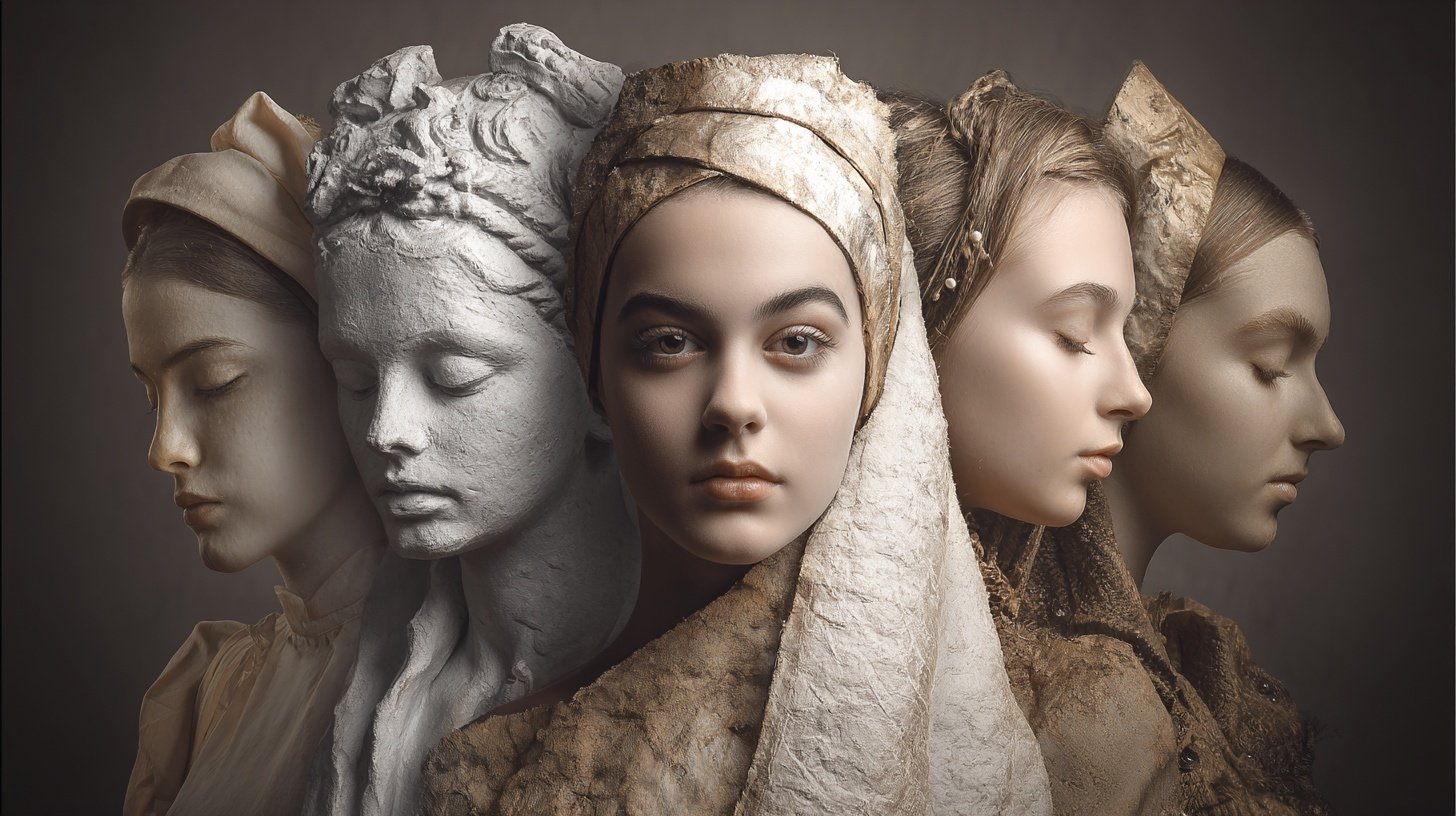

The history of beauty care is as diverse as the various cultures from which it has emerged. Over the centuries, standards of beauty and methods of care have continuously evolved. We look at the different eras and the beauty ideals that shaped them.
Already in antiquity, people placed great importance on their outward appearance. The Egyptians, for example, used makeup to emphasize their eyes with kohl and cared for their skin with oils and ointments. Beauty was seen as a sign of health and prosperity, and the pursuit of perfection began.

Beauty in Antiquity
Beauty in ancient Greece was reflected in art and architecture. Ideal figures were immortalized in sculptures that represented perfect proportions and symmetries. Equality and harmony were the key concepts that shaped this aesthetic. The use of body care products like olive oil and scented oils was widespread.
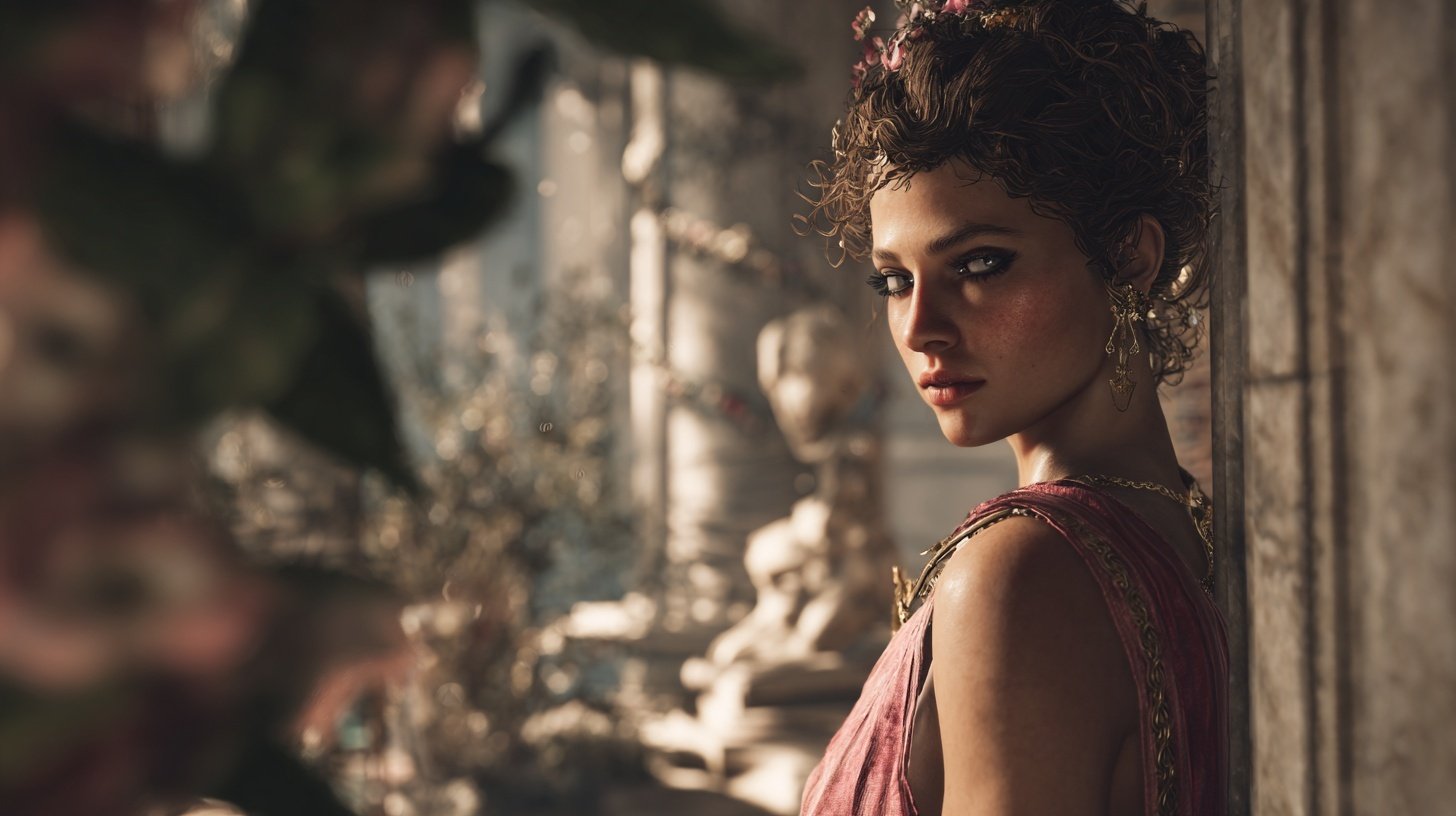
The Romans adopted many of these beauty secrets but put their own twist on them. They mixed perfumes from exotic ingredients and emphasized their body care to highlight their social status. The use of makeup was not just a matter of beauty here, but also a status symbol.
The Dark Ages
With the rise of the Middle Ages, the focus of beauty shifted. Religious ideals dominated, and it was no longer outward beauty that was in the foreground, but virtues and the inner self. It was believed that a 'pure' heart and a modest lifestyle made true beauty.
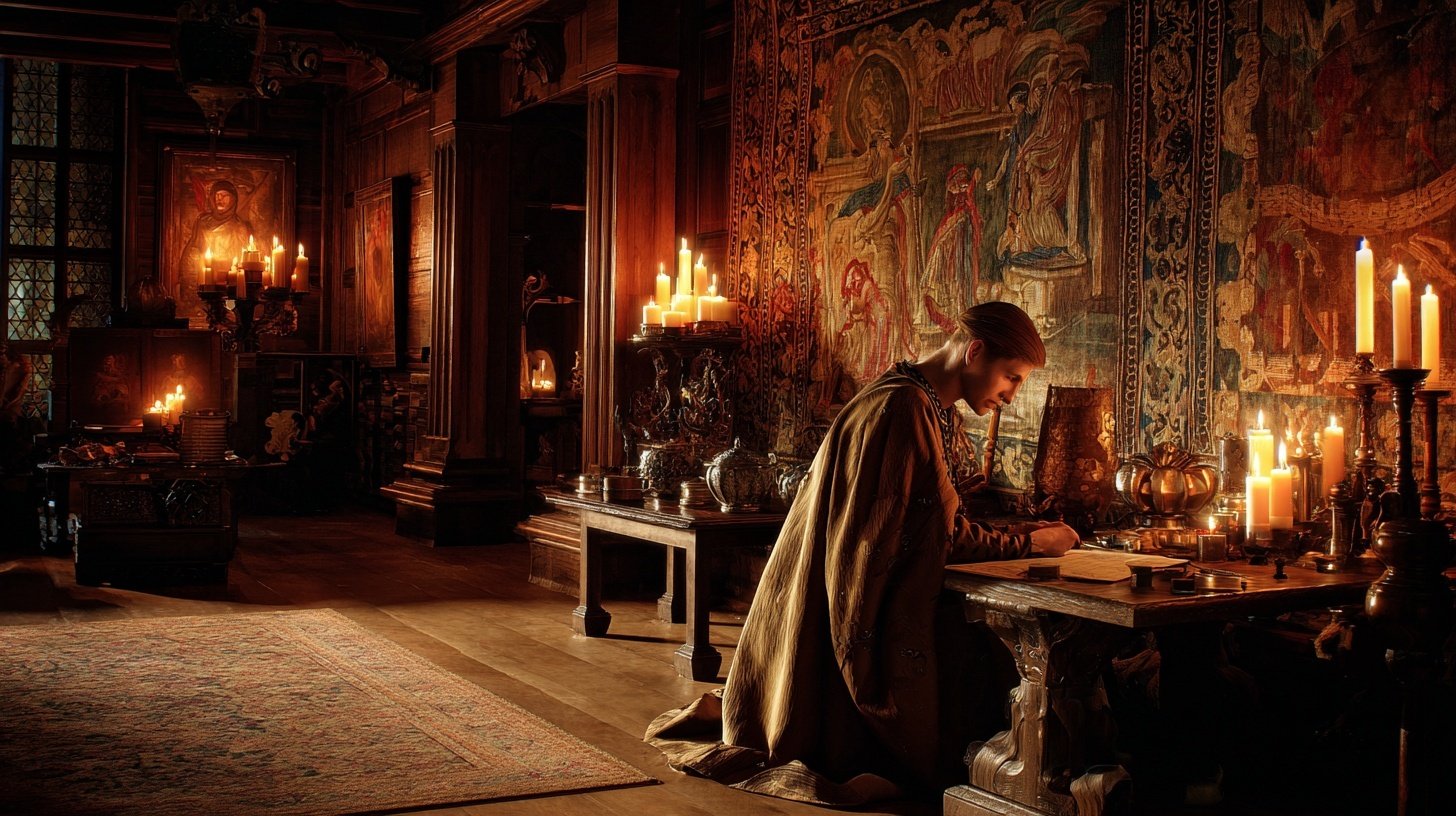
The return of beauty care finally came with the Renaissance. People began to care about their outward appearance again, and the enthusiasm for art and science influenced the beauty ideals. Women used powders, chalk, and red tones to achieve paler skin, which was considered ideal. This was a time when beauty was once again associated with power and influence.
The Modern Era
With the beginning of the 20th century, social and cultural changes brought new concepts of beauty. The rise of film brought new beauty standards, shaped by the glamour of Hollywood stars. This era saw the emergence of products specifically developed to promote skin care and cosmetics.

The 1960s brought a revolution in the beauty industry. The influence of social movements and the idea of self-acceptance led to a more diverse set of beauty ideals. Women began to break free from the rigid notions of the past and now embrace their individuality.
In today's world, we are witnessing another shift towards greater diversity and inclusivity. Beauty today is a multifaceted term that allows for all worldviews and body shapes. We are starting to celebrate and accept beauty in its many forms.
The history of beauty care clearly shows that beauty ideals are always in flux and are influenced by the spirit of the times, culture, and social context. It is exciting to observe how these ideals will continue to evolve in the future.
You carry your own definition of beauty within you, and that is the most important thing. Do not be blinded by external standards, but find your own way to feel comfortable in your skin.