
How Virtual Travel is Revolutionizing Long-Distance Tourism.
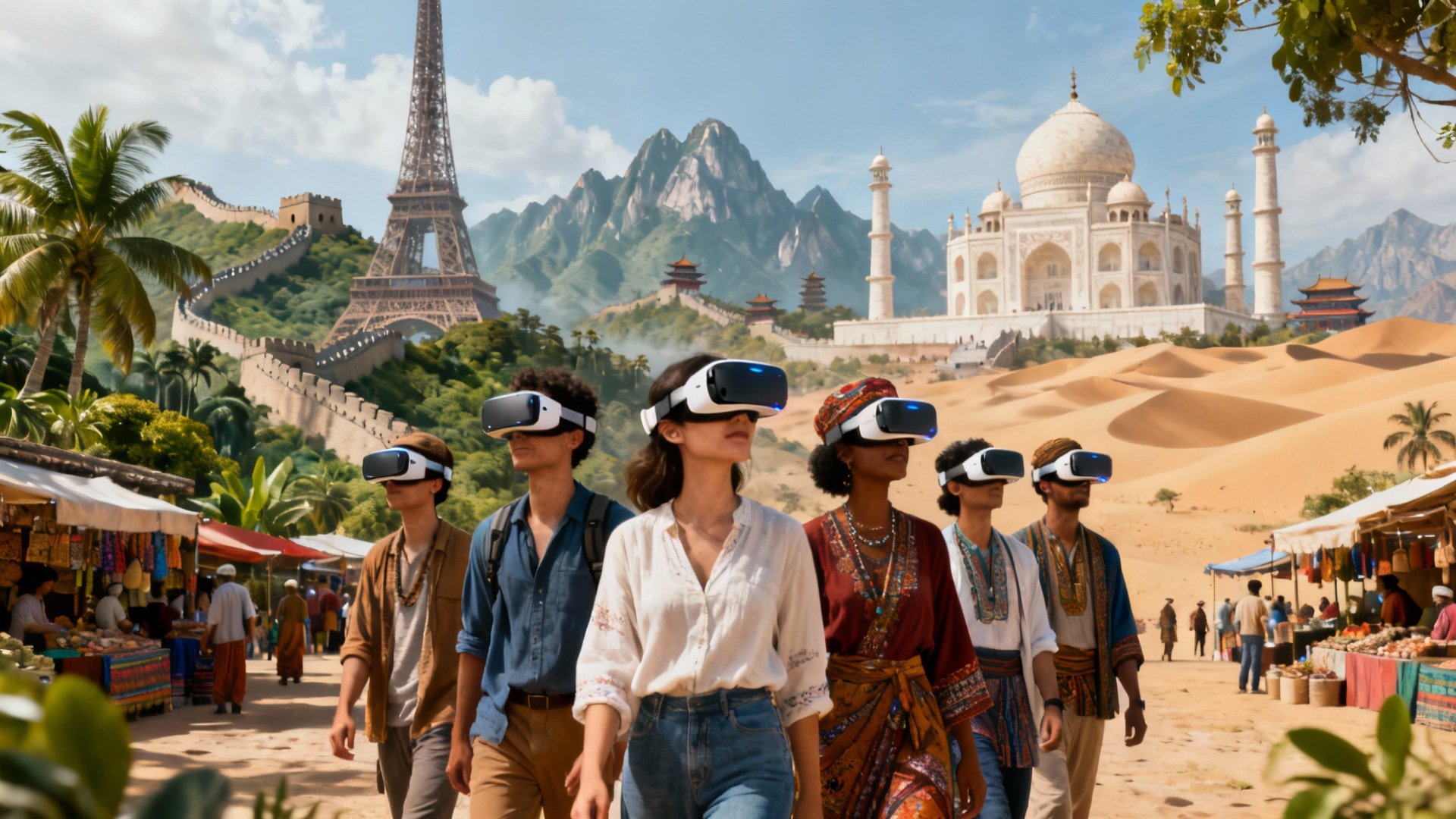

In recent years, the way we travel has changed drastically. With advances in technology, virtual travel has become a popular alternative that allows us to explore the world without leaving our comfort zones.
Long-distance tourism was once a fixed ritual involving packing suitcases and planning long trips. However, the digital revolution has brought forth a new dimension of travel, making it easier for anyone to immerse themselves in the most remote corners of the Earth.


The Rise of VR Technology
Virtual reality (VR) has revolutionized our understanding of travel. Suddenly, the idea of visiting the Pyramids of Giza or the beaches of Hawaii no longer seemed so far-fetched, even if one is sitting in their own living room.
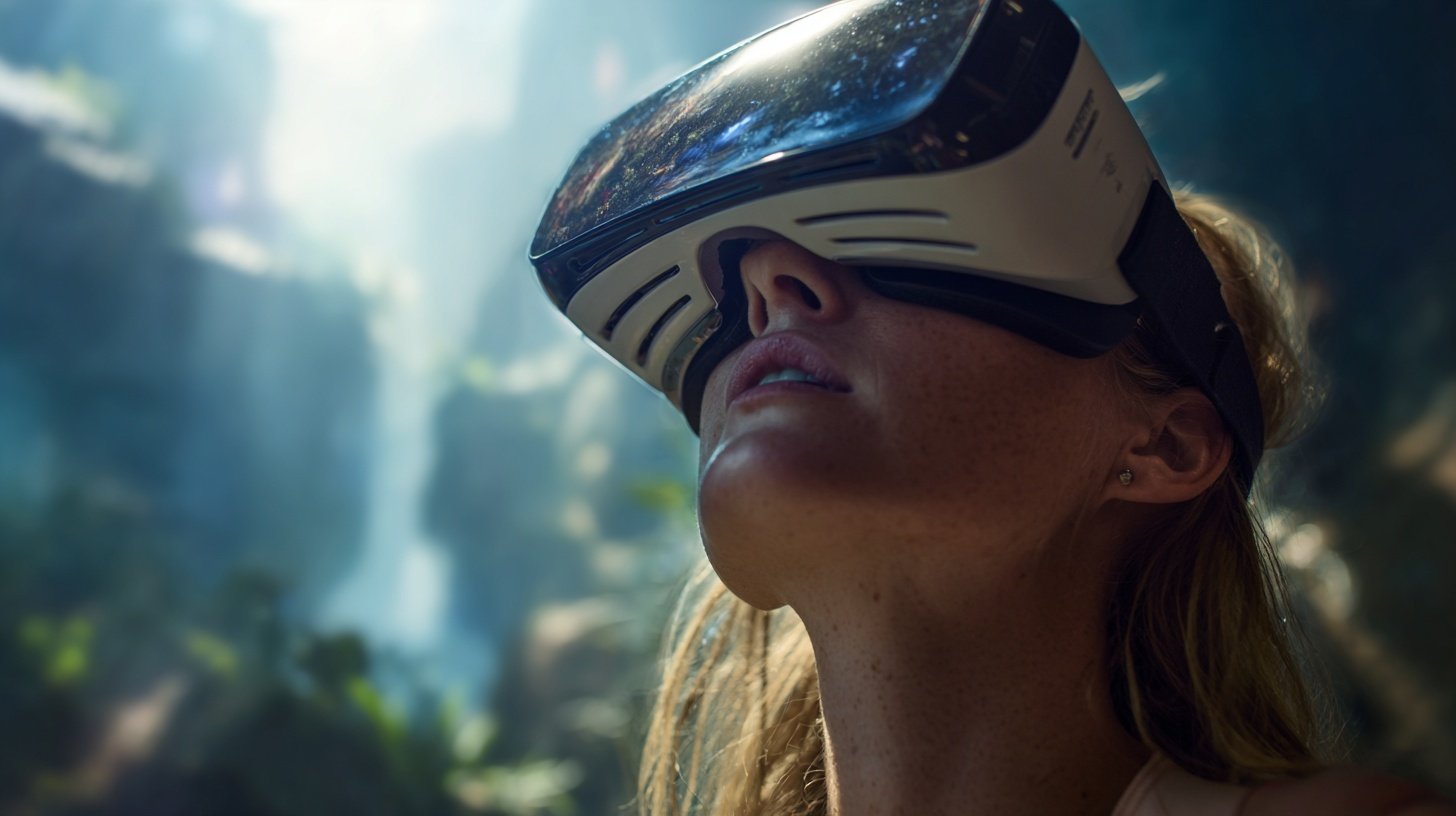
The immersive experiences created by VR technology are impressive. Users wear a headset and find themselves in breathtaking landscapes that come to life with lifelike graphics and sounds. This not only enables a visual escape but also fosters an emotional connection to the places they visit.
Moreover, many providers of virtual travel offer interactive elements that allow users to engage with the environment, whether by solving puzzles, uncovering secrets, or even learning local dances.
Equal Opportunities in Travel
One of the strongest impacts of virtual travel is the equal opportunities it creates. People who cannot travel for health, financial, or other reasons now have the chance to explore the world.
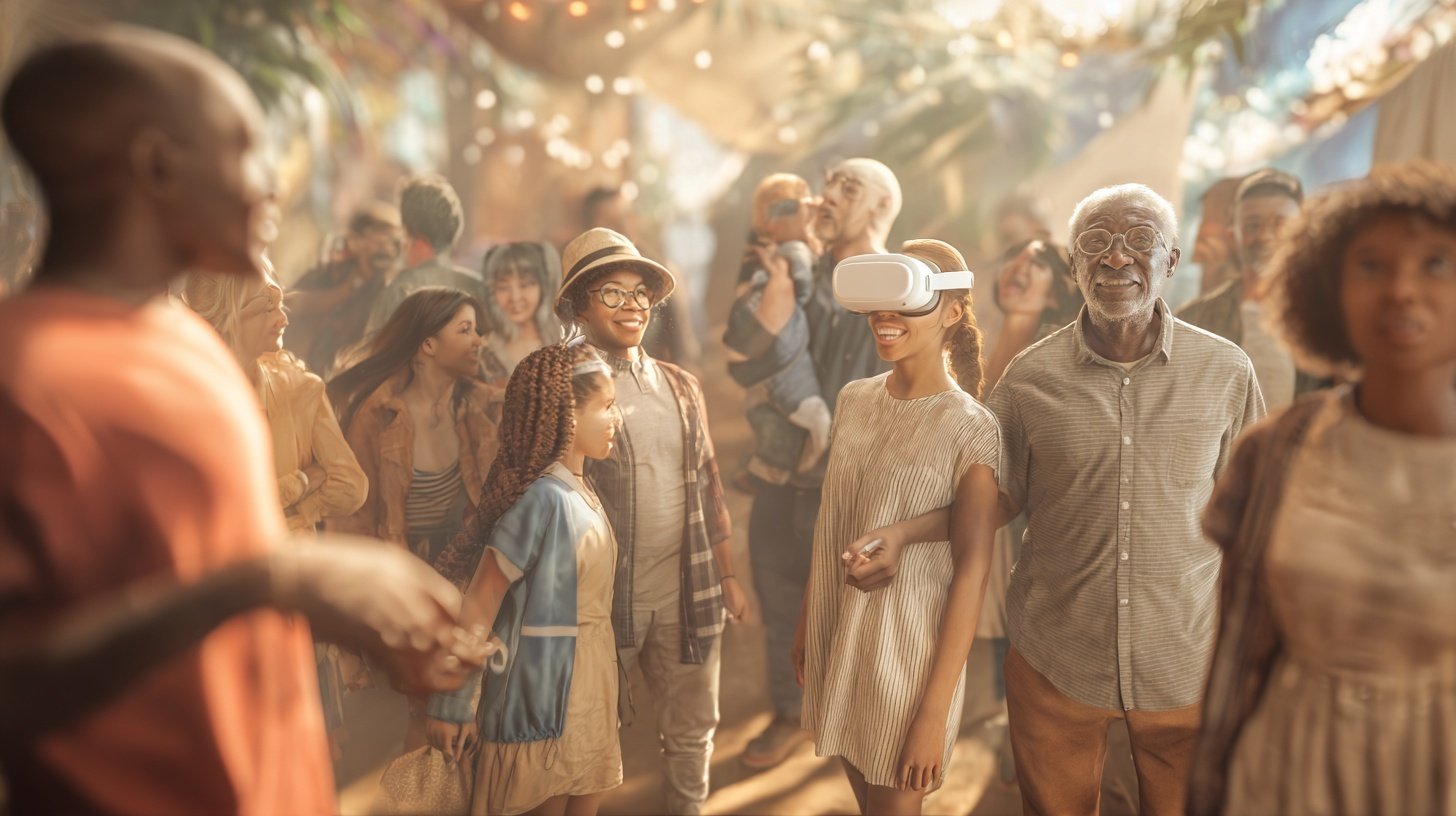
For seniors or individuals with disabilities who often rely on accessibility, virtual travel opens a new window to the world. They can visit historical sites or take part in cultural events without having to worry about physical limitations.
Sustainability in Travel Tourism
Another point that should not be overlooked is the environmental impact of virtual travel. The traditional travel industry has significant effects on the environment, from carbon emissions caused by air travel to the strain on popular destinations.
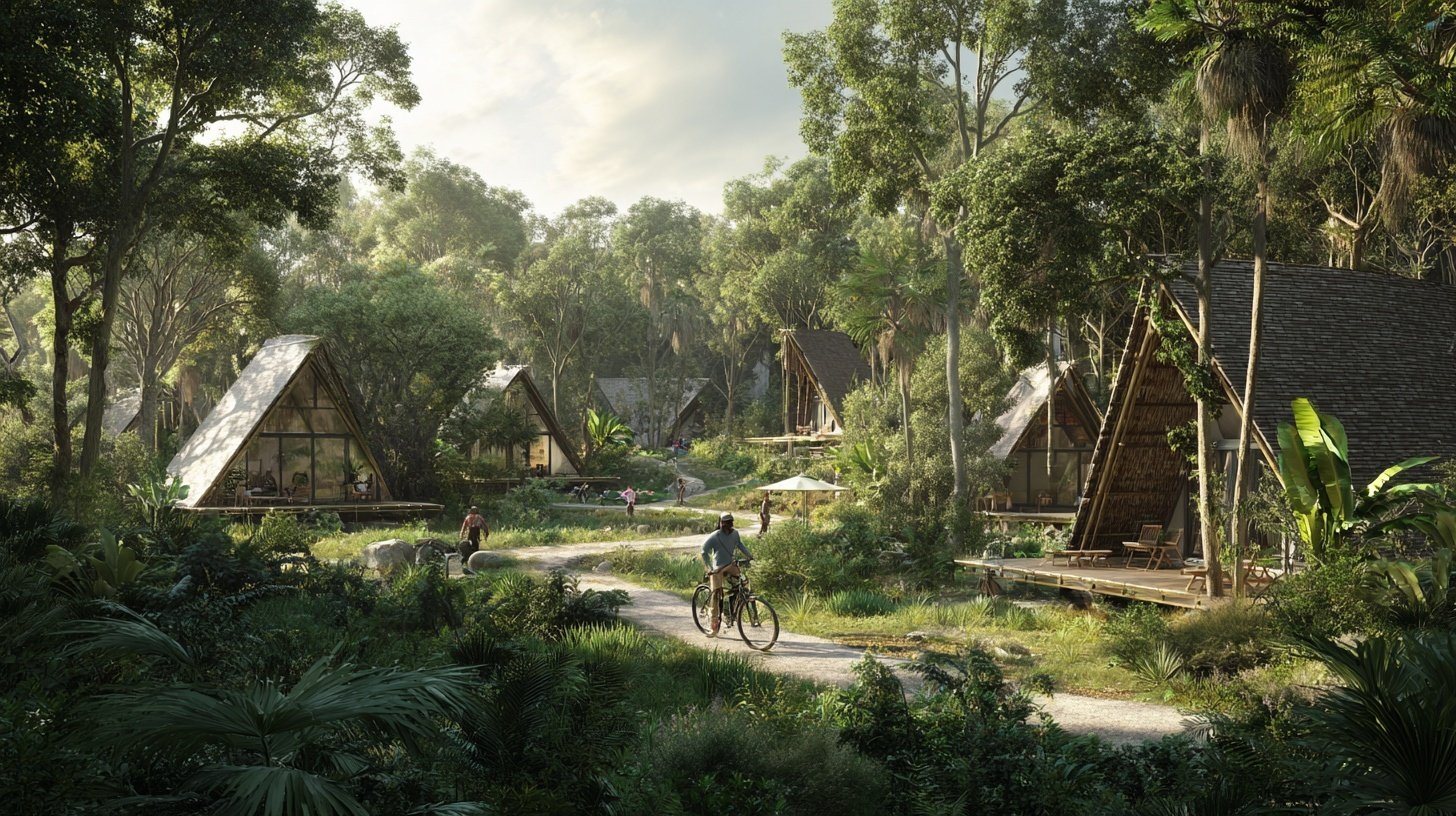
With virtual travel, we can create awareness of the beauty and fragility of the Earth without actually burdening it. This promotes a more responsible approach in the travel industry and encourages people to appreciate local cultures and natural treasures.
Although virtual travel can never replace the real experience of traveling, they offer a valuable supplement to it. By experiencing different perspectives and experiences in the context of virtual reality, we enrich our understanding and appreciation of other cultures.
In the future, we could even see hybrid models where real and virtual elements are combined to create an even more diverse travel experience.
In conclusion, we can say that the transformation of long-distance tourism through virtual travel not only defines a new way of traveling but could also spark important discussions about accessibility, sustainability, and cultural sensitivity. The question is no longer whether virtual travel will play a role in the future, but how it will change the way we explore the world.
The possibilities are endless – get ready for the new era of travel!