
Living and Psychogeography: How Urban Landscapes Shape Our Emotions
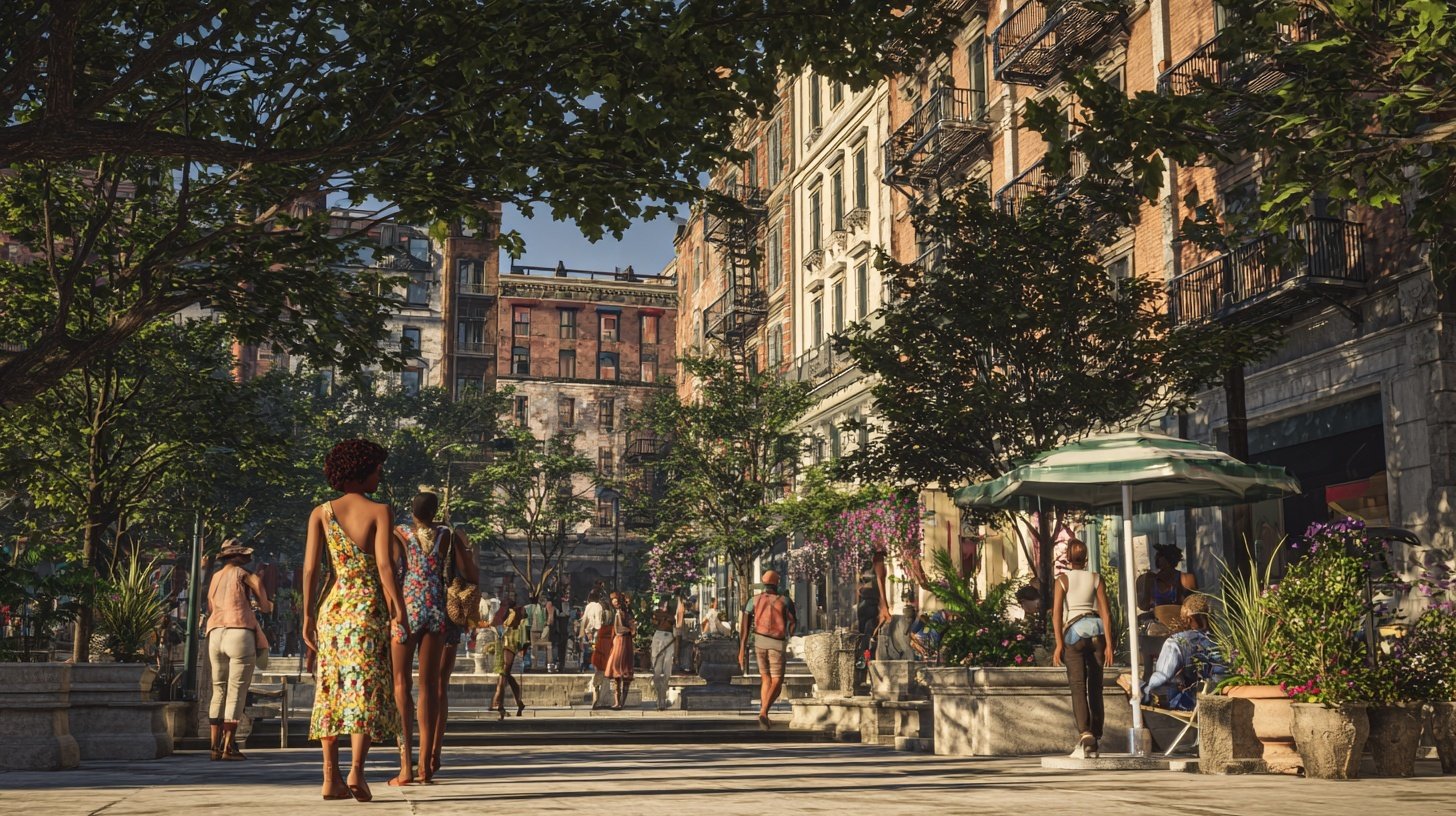

The environment in which we live has a significant impact on our emotions and well-being. Psychogeography deals with the emotional and psychological effects of urban landscapes and how they shape our daily experiences.
Imagine walking through a city where sunlight filters through the trees and the air smells fresh. You feel relaxed and happy. In contrast, a busy, noisy street with fumes and little greenery can evoke a sense of overwhelm. These perceptions depend on the environment and how it influences our sensory impressions.


Emotional Resonance of the Surroundings
Studies show that green spaces and parks not only contribute to physical health but also enhance mental well-being. They provide us with the opportunity to retreat from the hustle and bustle of urban life.

In an environment filled with art and architecture, inspiration can flourish. The sight of historic buildings or creative murals can lift our mood and evoke positive memories.
The design of a space affects our social interactions. Open squares encourage encounters and conversations, while narrow, dark alleys often feel isolating.
The Role of Architecture
Architecture has the power to evoke emotions. Think of a majestic government building that inspires awe in visitors, or a cozy café that exudes warmth.
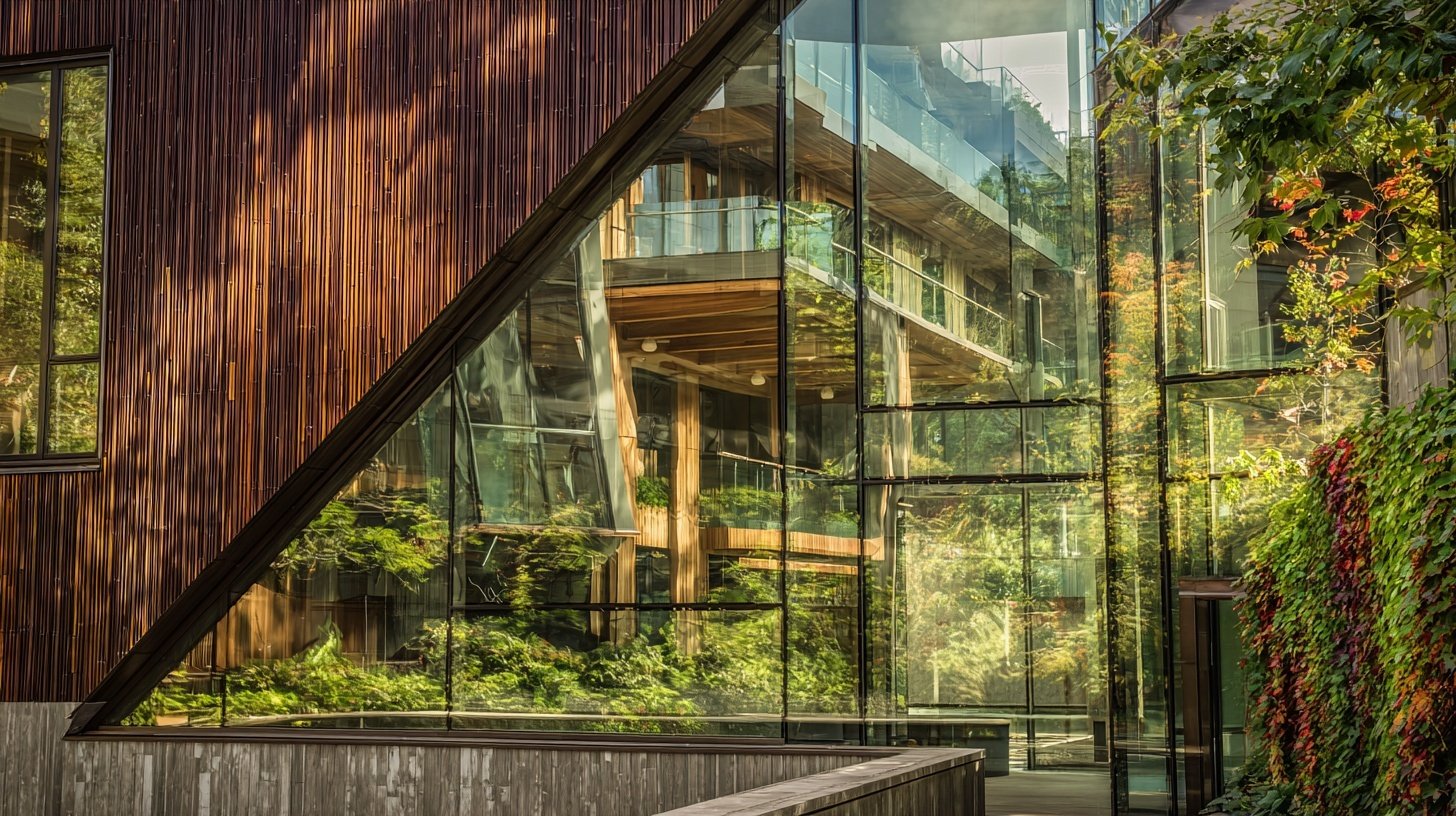
Simple, functional buildings can evoke emotional neutrality, while creative designs often foster associations of joy and liveliness. Conventional urban planning that focuses solely on efficiency can lead to a sense of monotony.
City as an Experience Space
The urban environment is a space of experience that engages all the senses. The sounds of the city, the various flavors in culinary offerings, and the visual diversity contribute to a vibrant experience.
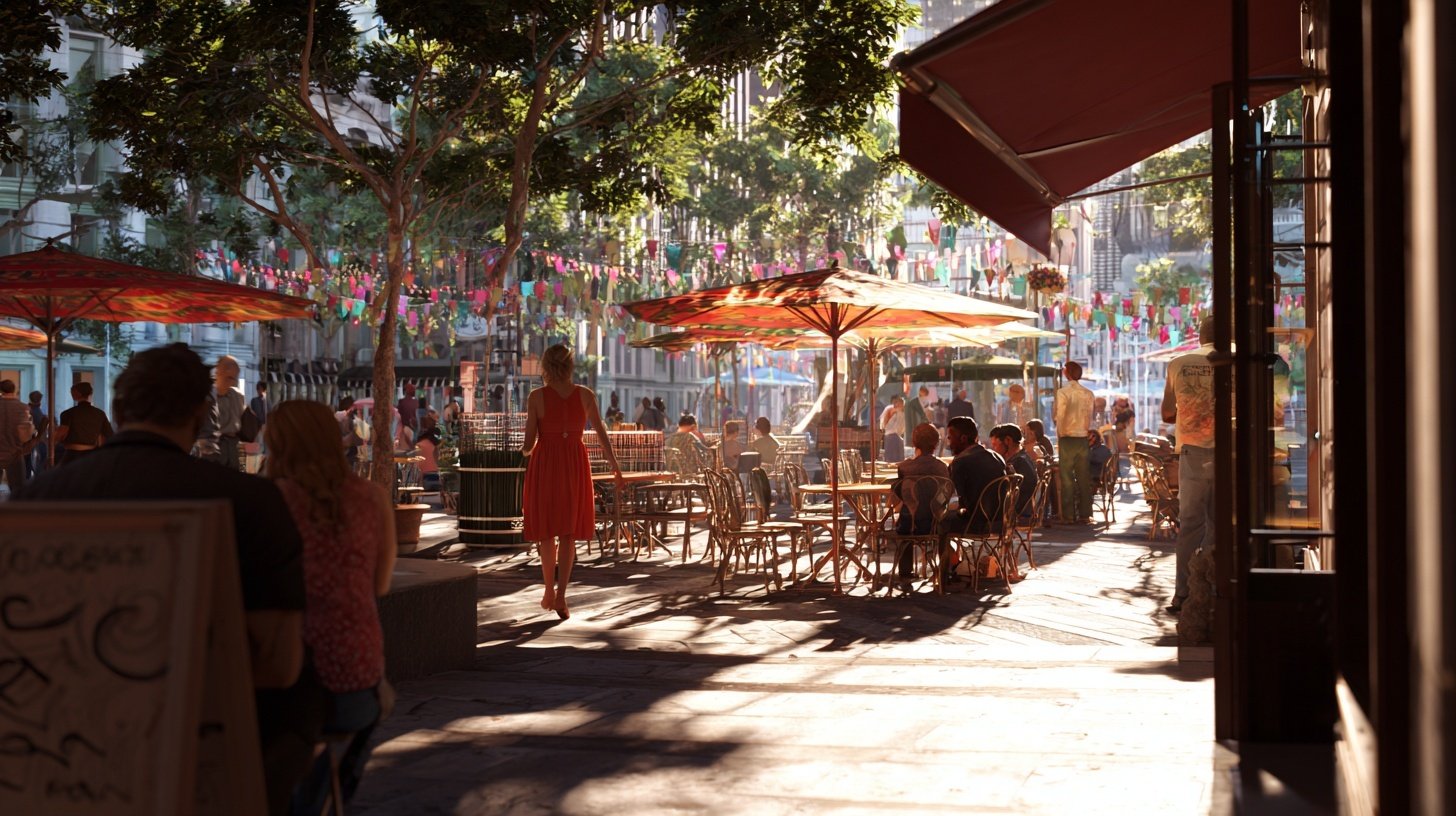
If you live in a city known for its cultural events, you can feel the energy of the community. Festivals, markets, and cultural initiatives foster social bonds and communal happiness.
However, not every city offers these experiences. Urban isolation can lead to retreating into one’s own apartment, thereby diminishing emotional well-being. A city should be a place of meeting and exchange.
To experience the full potential of your city, it is important to actively seek out places that promote positive emotions. Whether it’s the local market, a music festival, or a workshop—each activity can positively influence your sense of your surroundings and your emotions.
Ultimately, it is up to us to not only traverse the urban landscape but to actively shape and change it to support our emotional well-being.
The relationship between living and psychogeography is an exciting topic that shows how our environment shapes our emotions. Pay attention to the spaces that surround you, and consciously choose how you experience your city.